Herbal Remedies for Intestinal Inflammation – Anti-IBD Protocols
Introduction
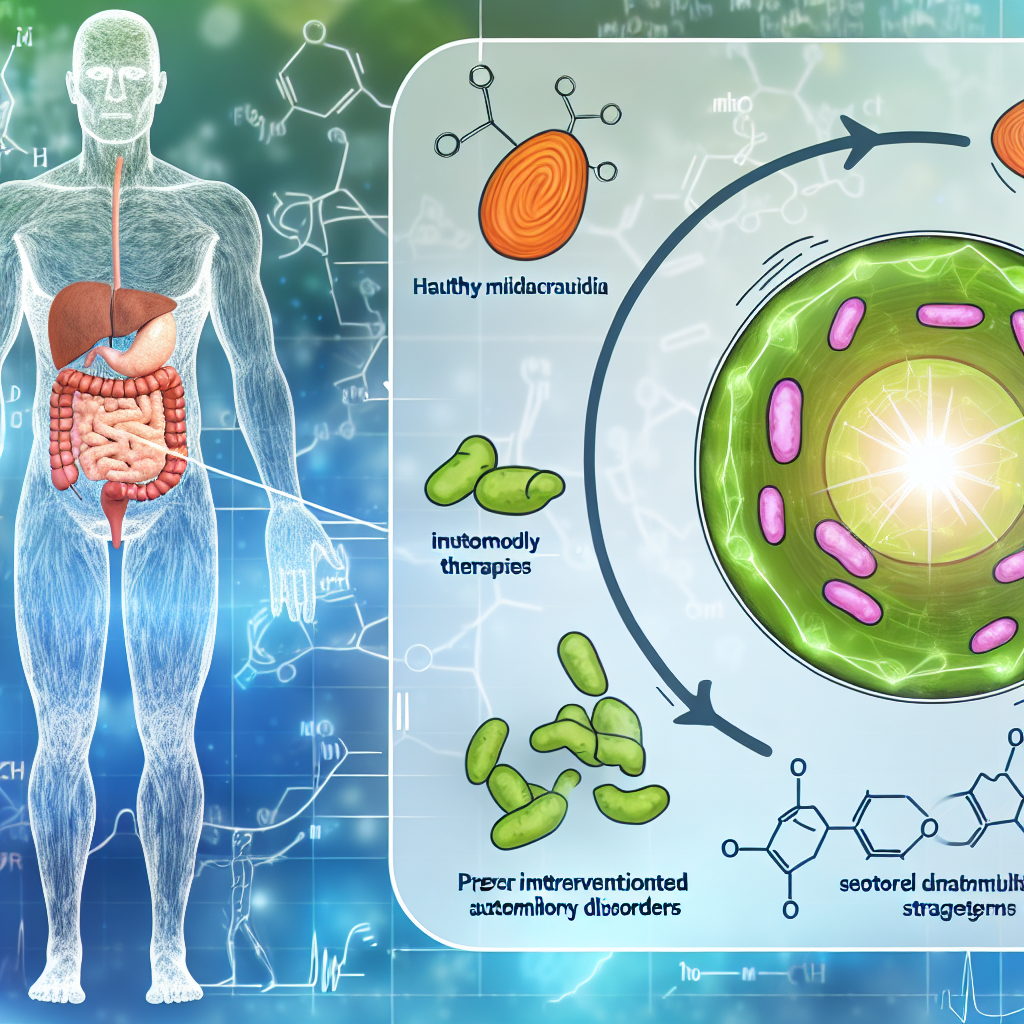
Inflammatory Bowel Disease (IBD), which includes conditions such as Crohn’s disease and ulcerative colitis, is characterized by persistent inflammation of the gastrointestinal (GI) tract. Affecting millions of individuals worldwide, IBD typically causes abdominal pain, chronic diarrhea, fatigue, and weight loss, which greatly reduce quality of life.
Conventional treatments such as corticosteroids, immunosuppressants, and biologics have provided relief for many, but they often come with side effects like immune suppression, liver toxicity, or dependence. As a result, there is growing interest in natural and herbal treatments for gut inflammation that offer a complementary or alternative approach.
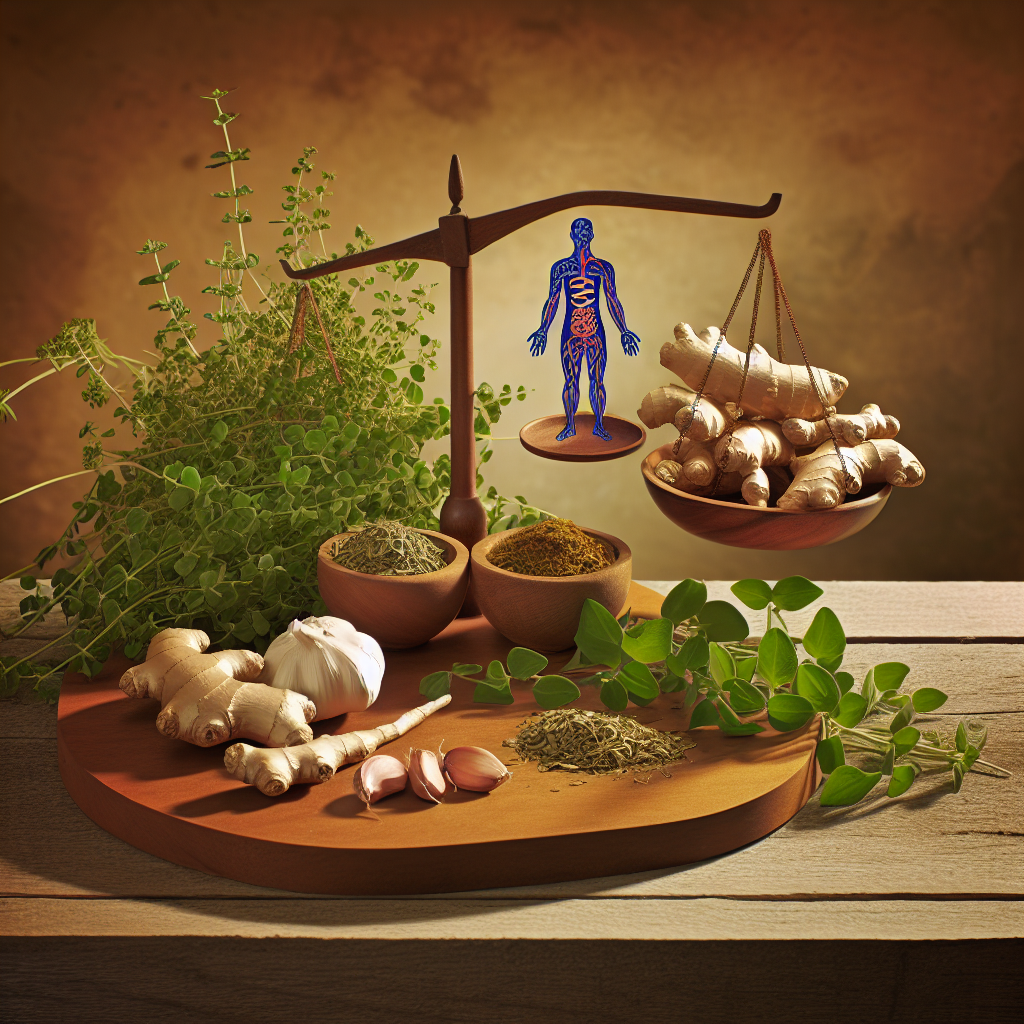
Herbal medicine, a fundamental component of traditional systems like Ayurveda and Traditional Chinese Medicine (TCM), is becoming increasingly validated by scientific research for its anti-inflammatory, antimicrobial, and immunomodulatory properties. These characteristics are particularly relevant for managing IBD symptoms naturally.
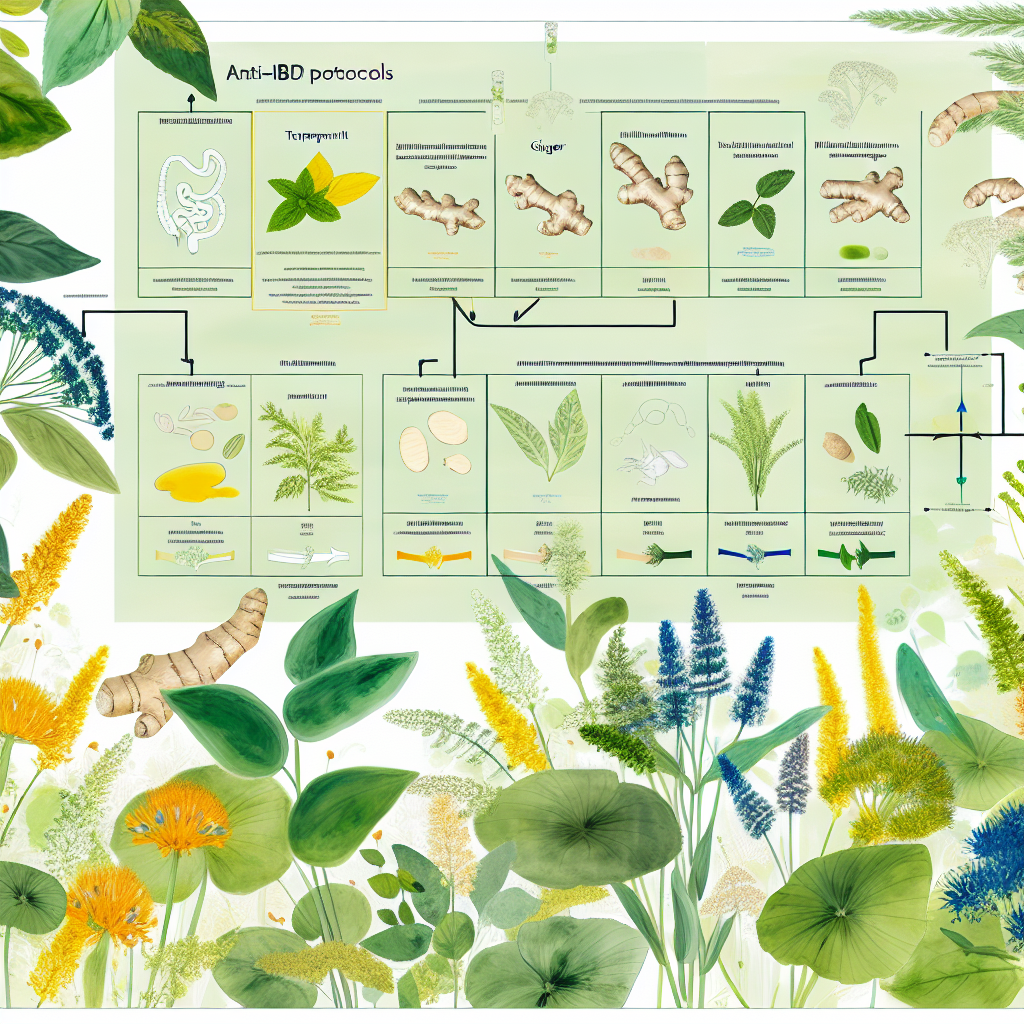
Key herbs—such as turmeric, boswellia, licorice root, slippery elm, and aloe vera—address multiple mechanisms: reducing inflammation, supporting gut lining regeneration, balancing immune responses, and enhancing the diversity of the gut microbiome.
While promising, these therapies should be personalized and supervised by a healthcare provider to avoid contraindications and interactions with pharmaceutical drugs. The underlying goal is to not only alleviate IBD flares but also support the body’s long-term digestive resilience through holistic gut health strategies.
Evidence-Based Herbal Interventions for Gut Inflammation
1. Turmeric (Curcuma longa)
Turmeric contains curcumin, a potent compound known for its anti-inflammatory effects. A clinical study published in Clinical Gastroenterology and Hepatology (2006) demonstrated that 2 grams of curcumin daily significantly lowered relapse rates in ulcerative colitis patients compared to placebo.
Curcumin works by inhibiting nuclear factor-kappa B (NF-κB), a key transcription factor in inflammatory signaling. It also downregulates inflammatory molecules such as TNF-α and IL-1β. In addition, it exhibits antioxidant activity that reduces cellular damage in gastrointestinal tissues. Curcumin may also promote tight junction protein expression, contributing to improved epithelial barrier integrity, which is often compromised in IBD.
2. Boswellia serrata
Boswellia, or Indian frankincense, offers powerful benefits for IBD, particularly through its boswellic acids. These compounds inhibit 5-lipoxygenase, reducing leukotriene-mediated inflammation.
A clinical trial noted in the European Journal of Medical Research found that Boswellia extract was as effective as conventional 5-ASA drugs in treating colitis. Patients reported improvements in symptoms and quality of life, with fewer adverse effects than standard medication. Boswellia also helps decrease oxidative stress and protects the gut lining from further inflammatory damage.
3. Licorice Root (Glycyrrhiza glabra)
Licorice root, especially in its deglycyrrhizinated form (DGL), is renowned for its mucosal soothing and ulcer-protective properties. According to a review in Phytotherapy Research, licorice works by reducing levels of inflammatory prostaglandins and interleukins while promoting mucus secretion that protects the epithelium.
Taken in chewable or powder form, DGL supports esophageal and intestinal healing. It’s often used during IBD flare-ups and can be integrated into protocols intended to repair and maintain GI mucosal health.
4. Slippery Elm (Ulmus rubra)
Slippery elm is a long-standing herbal remedy in North American Indigenous medicine. It acts as a demulcent, forming a gel-like substance when mixed with water that coats and soothes the GI lining.
Although research is limited, small studies and clinical reports suggest notable benefits in reducing bowel irritation and supporting barrier function, particularly during acute IBD flares. It is commonly used in combination with other herbs and probiotics for a gut-healing protocol.
5. Aloe Vera
Aloe vera gel is rich in polysaccharides and has exhibited anti-inflammatory and epithelial-restorative properties in preclinical studies. In a small pilot trial published in Alimentary Pharmacology & Therapeutics, 30% of ulcerative colitis patients treated with oral aloe vera showed clinical improvement after just four weeks.
The polysaccharides in aloe aid in tissue repair and immune modulation. Additionally, aloe vera may help with nutrient absorption and has a mild laxative effect, making it useful for individuals suffering from IBD-associated constipation or irregular bowel movements.
Conclusion
Using herbal medicine for intestinal inflammation is a powerful and increasingly supported option for those dealing with IBD. Botanicals like turmeric, boswellia, and aloe vera offer evidence-based actions that reduce inflammation, repair mucosal damage, and support immune homeostasis.
When integrated into a comprehensive protocol alongside diet, stress management, and conventional therapies, these herbs can contribute to long-term gut health and symptom control. However, personalized care under a knowledgeable health practitioner is essential for safety and optimal results. The evolving field of integrative GI health continues to demonstrate that nature-based interventions can play a vital role in the management of chronic digestive disorders.
Concise Summary
Herbal therapies offer promising natural options for managing Inflammatory Bowel Disease (IBD), including Crohn’s disease and ulcerative colitis. Herbs like turmeric, boswellia, licorice root, slippery elm, and aloe vera demonstrate anti-inflammatory, immune-balancing, and mucosal-repairing qualities. These botanicals can complement conventional treatments by reducing flare-ups and promoting gut healing. Clinical studies support their use, but individualization and medical oversight are key. When incorporated into broader wellness strategies, herbal remedies can significantly enhance gastrointestinal resilience and overall IBD management.
References
– Hanai, H., et al. (2006). Curcumin maintenance therapy for ulcerative colitis: randomized, multicenter, double-blind, placebo-controlled trial. Clinical Gastroenterology and Hepatology
– Gupta, I., et al. (1997). Effects of Boswellia serrata gum resin in patients with ulcerative colitis. European Journal of Medical Research
– Wang, L. et al. (2015). Anti-inflammatory effects of Glycyrrhiza species and their bioactive compounds. Phytotherapy Research
– Langmead, L., et al. (2004). Randomized, double-blind, placebo-controlled trial of oral Aloe vera gel for active ulcerative colitis. Alimentary Pharmacology & Therapeutics