Digestive Enzyme Deficiency Symptoms – Natural Replacement Therapy
Introduction
Digestive health is central to overall wellness, influencing energy levels, mental clarity, and immune function. A commonly overlooked issue that contributes to poor digestive function is a digestive enzyme deficiency. Digestive enzymes are vital proteins produced by the stomach, pancreas, and small intestine that break down food into nutrients. A lack of adequate enzyme activity impairs nutrient absorption, which can lead to an array of gut and systemic complications.
Many people unknowingly live with insufficient enzyme production, mistaking symptoms for general discomfort or conditions like Irritable Bowel Syndrome (IBS). Common signs include bloating, excessive gas, undigested food in stool, diarrhea or constipation, post-meal fatigue, nutrient deficiencies, and weight fluctuations. In more serious cases, low levels of critical enzymes such as amylase, lipase, and protease may lead to chronic inflammation, increased food intolerances, and immune system dysregulation due to “leaky gut.”
The causes behind enzyme insufficiency are diverse. Natural aging decreases enzyme production over time. Chronic stress, poor diets, frequent use of medications like antacids, and conditions including Crohn’s disease, pancreatitis, and cystic fibrosis can all contribute to poor enzyme function.
The good news is that many individuals can restore and maintain a healthy enzyme level using natural strategies. These include adjustments in diet and lifestyle, herbal remedies, and the targeted use of digestive enzyme supplements. Natural medicine offers promising therapies for encouraging the body’s own production or compensating for minimal enzyme output.
Growing interest in holistic health is fueling awareness and research on these therapies. Through the integration of fermented foods, herbal bitters, enzyme-rich food sources, and targeted supplementation, individuals can address root causes, not just symptoms.
Scientific Features and Relevant Studies
Scientific evidence affirms the significant role digestive enzymes play in food breakdown and nutrient assimilation. A 2020 review in the journal Nutrients emphasized how pancreatic enzyme replacement therapy (PERT) effectively improved nutrient absorption and gastrointestinal symptoms in patients with Exocrine Pancreatic Insufficiency (EPI). While this therapy targets those with clinical deficiencies, its benefits suggest that those with low but non-critical enzyme levels may also find relief with supplementation.
Another 2016 study in the World Journal of Gastroenterology tested enzyme supplements in individuals experiencing functional dyspepsia—a condition causing bloating, early satiety, and discomfort. Those given digestive enzymes reported reduced postprandial discomfort compared to the placebo group, indicating that restoring enzymatic support can offer noticeable symptom relief even without a diagnosable disease.
Herbal therapies also demonstrate promise. A 2015 analysis in Frontiers in Pharmacology found that herbal bitters like dandelion root and gentian activate bitter taste receptors, which in turn trigger gastric secretions and improve digestive flow. These plant-based strategies naturally enhance the body’s ability to digest and absorb nutrients.
Fermented foods support digestion not just through enzymes but also by nourishing a diverse microbiome. A 2021 study in the Journal of Functional Foods demonstrated that foods like kefir, yogurt, kimchi, and miso improved both enzymatic activity and gut flora diversity.
Fennel shows additional promise. Used traditionally across Indian and Mediterranean cultures, this herb helps with bloating and gas. A 2014 study in BMC Complementary Medicine and Therapies showed that fennel extract significantly improved IBS-related symptoms including stool regularity and discomfort, thanks to its antispasmodic and pro-digestive effects.
These studies reinforce the idea that natural enzyme therapy—whether through herbs, fermented foods, or supplemental enzymes—offers clinically relevant improvements for people dealing with chronic digestive complaints.
Natural Replacement Therapy for Digestive Enzyme Deficiency
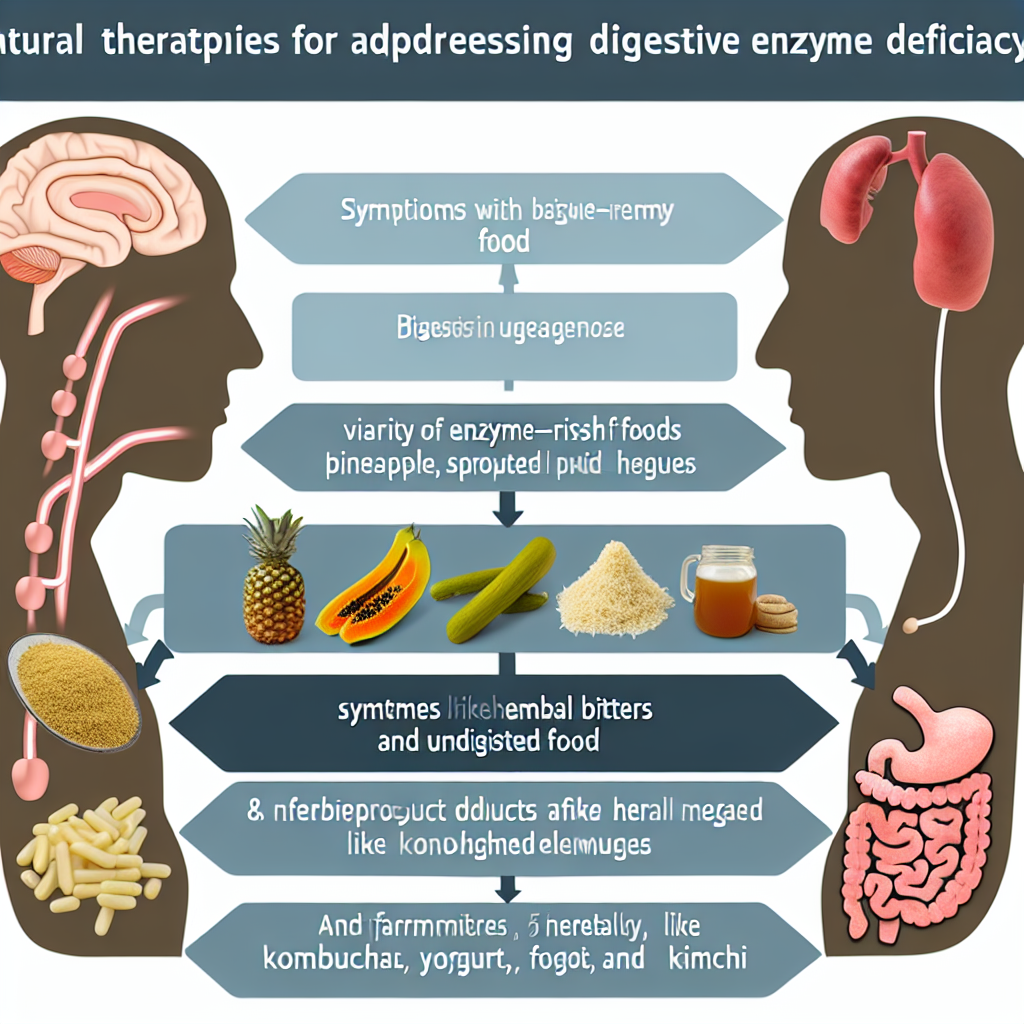
Starting with basics, enzyme-rich foods include pineapple (containing bromelain), papaya (source of papain), raw honey, avocados, sauerkraut, and other fermented vegetables. These foods help pre-digest food components before they reach the intestines.
Herbal bitters form a key part of functional digestive therapy. Taken before meals, they prepare your body to digest by priming saliva, gastric acid, and bile production. Look for blends that include gentian root, dandelion, artichoke leaf, or wormwood. These bitter herbs increase digestive fire naturally and are especially effective for sluggish digestion, bloating, or heaviness after meals.
For more robust support, consider digestive enzyme supplements. These typically contain a mix of:
– Protease: protein digestion
– Amylase: carbohydrate digestion
– Lipase: fat digestion
– Lactase: dairy sugar digestion
– Cellulase: fiber breakdown
Opt for plant-based, full-spectrum formulas made from fungal or microbial sources, suitable even for those with compromised pancreatic function. Take them just before or during meals for maximum effectiveness. These supplements can improve symptoms rapidly while giving your own enzyme production a chance to recover.
Lifestyle adjustments are also essential. Chronic stress suppresses digestive function by impacting the vagus nerve, which governs gut motility and secretion. Practices such as deep breathing, yoga, and mindfulness can significantly increase vagal tone. It’s also important to chew food thoroughly and focus during meals—this enhances saliva production, which contains amylase and initiates digestion even before food hits the stomach.
People recovering from digestive conditions may also benefit from a gut-healing protocol that includes L-glutamine, collagen peptides, and probiotics. Supporting gut lining repair allows enzymes and nutrients to be absorbed optimally.
Conclusion
Digestive enzyme deficiency can have cascading effects on your digestive health, immune system, and mental vitality. Though symptoms such as gas, bloating, food intolerance, and fatigue are often brushed off, they may point to deeper digestive challenges. Fortunately, natural therapies rooted in both ancient wisdom and modern research provide safe, effective ways to address these issues.
By embracing enzyme-rich foods, herbal bitters, practical lifestyle shifts, and targeted enzyme supplementation, individuals can support digestion, ease chronic symptoms, and prevent complications. With science validating traditional approaches, natural enzyme therapy emerges as a powerful toolkit for those seeking sustainable gut healing and total-body vitality.
References
– Nutrients (2020) – Pancreatic Enzyme Replacement Therapy in EPI
– World Journal of Gastroenterology (2016) – Functional Dyspepsia and Enzyme Supplementation
– Frontiers in Pharmacology (2015) – Herbal Bitters and Enzyme Secretion
– Journal of Functional Foods (2021) – Fermented Foods and Gut Microbiota
– BMC Complementary Medicine and Therapies (2014) – Fennel for IBS
Concise Summary
Digestive enzyme deficiency can cause a range of common but disruptive symptoms such as bloating, indigestion, and nutrient malabsorption. Causes include aging, stress, poor diet, and medical conditions. Fortunately, natural solutions like enzyme-rich foods (papaya, pineapple, fermented veggies), herbal bitters, and enzyme supplements can significantly improve digestion and overall health. Supported by modern science and traditional medicine, these approaches encourage proper digestion, restore nutrient absorption, and reduce chronic gastrointestinal discomfort—without relying on harsh pharmaceutical intervention. Integrating lifestyle changes such as mindful eating and stress reduction further enhances enzyme function, offering a holistic pathway to gut health and vitality.