Histamine Intolerance Treatment – Natural DAO Support Protocol
Introduction
Histamine intolerance is a condition that is increasingly recognized within natural and integrative medicine. It arises when there is an imbalance between histamine—a critical signaling molecule involved in immune, neurological, and gastrointestinal functions—and the body’s ability to efficiently clear it, particularly through the enzyme diamine oxidase (DAO).
Unlike a traditional food allergy, histamine intolerance does not involve an immune system attack. Rather, it stems from a reduced capacity to break down and remove ingested histamine. Individuals may experience symptoms such as bloating, skin reactions like hives, headaches, chronic fatigue, nasal congestion, digestive discomfort, anxiety, and hormonal imbalances.
Histamine-rich foods include aged cheeses, fermented foods, alcohol, smoked meats, canned fish, and certain vegetables such as spinach, tomatoes, and eggplant. The enzyme DAO, primarily secreted in the small intestine, is responsible for breaking down histamine from these foods. When DAO activity is compromised due to genetic factors, chronic inflammation, medication usage (e.g. antibiotics or NSAIDs), or gut imbalances, histamine can accumulate and cause systemic effects.
Since histamine intolerance symptoms mimic other conditions like IBS, allergies, or food sensitivities, diagnosis is often delayed or missed altogether. Traditional treatment protocols recommend low-histamine diets, but these can be restrictive and lead to nutritional deficiencies over time. Therefore, natural approaches aimed at enhancing DAO activity and gut health are gaining popularity for lasting, sustainable relief.
The Natural DAO Support Protocol targets the root causes by promoting DAO production, healing the gut, and reducing dietary histamine burden. By incorporating nutrient co-factors, gut-friendly herbs, and digestive support strategies, this protocol offers a holistic route to restoring histamine balance and improving overall quality of life.
Whether you’ve been officially diagnosed or are still exploring causes of chronic digestive or systemic symptoms, understanding the role of DAO and naturally boosting its function may be the breakthrough you’re looking for.
Professional and Medical Studies on Natural DAO Support
Scientific research supports the idea that natural compounds and targeted nutrients can significantly improve DAO functionality and help regulate histamine metabolism. Among the most promising strategies are:
Key Nutrient Supplementation
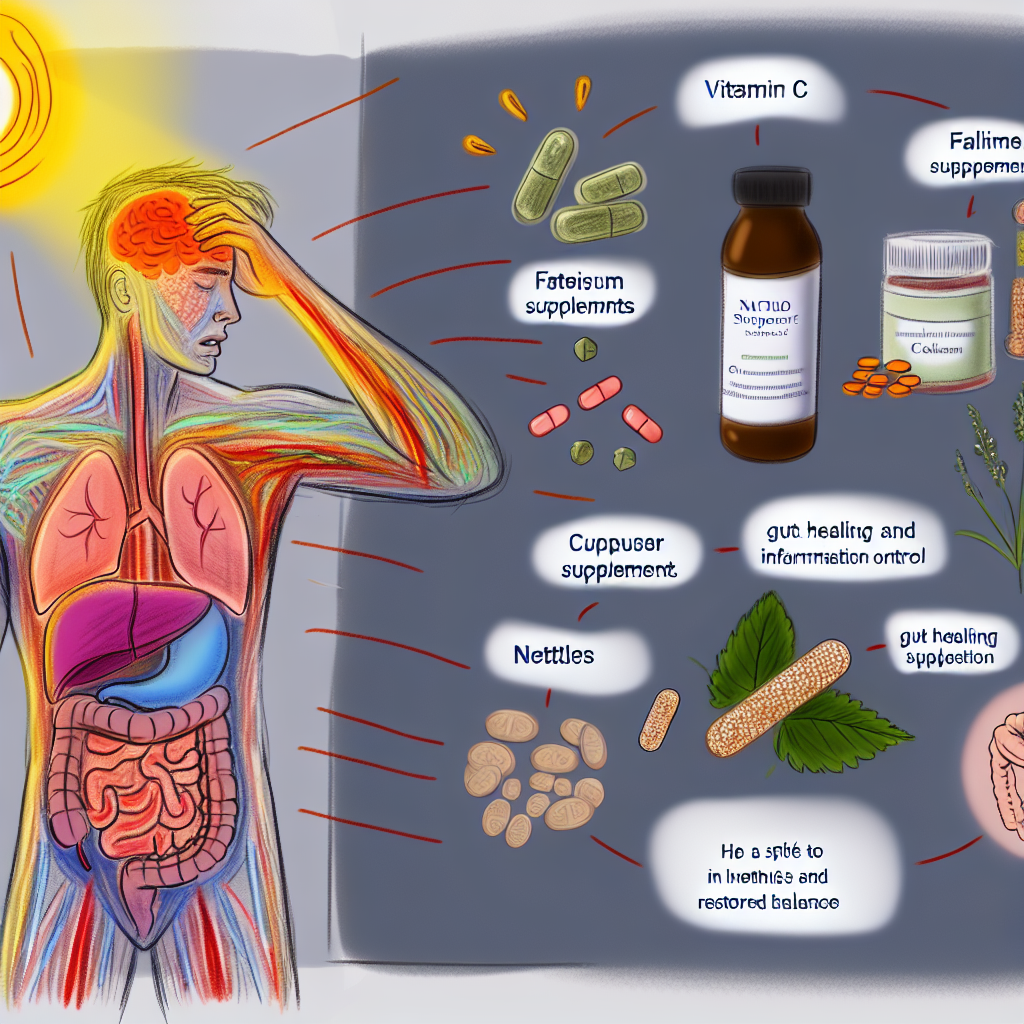
Supplementing with key DAO cofactors such as vitamin B6, vitamin C, and copper can enhance DAO enzyme function.
For instance, a study published in the journal Inflammation Research (2003) observed that vitamin C helps lower histamine levels in individuals with chronic urticaria. This vitamin not only supports DAO as a coenzyme but also directly degrades extracellular histamine, reducing inflammation and allergic-type symptoms.
Similarly, Maintz & Novak (2007) reported that deficiencies in B6 or copper could suppress DAO activity and worsen histamine intolerance.
Low-Histamine Diets
Dietary modification plays a central role. A 2017 study in the American Journal of Clinical Nutrition found that individuals who shifted to a low-histamine diet showed substantial symptom improvement, particularly relating to bloating, diarrhea, and skin reactions.
It’s important to be aware of both high-histamine foods (like fermented items, alcoholic beverages, and cured meats) and histamine “liberators” – foods that prompt the body to release stored histamine, even if the food itself is not high in histamine (e.g. citrus fruits, strawberries, and chocolate).
Gut Health and Intestinal Barrier Repair
DAO is produced in the lining of the small intestine, so gut integrity directly affects enzyme output. When chronic inflammation is present—due to food sensitivities, intestinal dysbiosis, or immune-related gut damage—DAO production diminishes.
A healthy balance of probiotic strains can reduce gut inflammation and restore intestinal integrity. Strains such as Lactobacillus rhamnosus GG and Bifidobacterium infantis have been shown to assist in calming inflammatory responses. Caution is necessary, however, since some probiotics such as Lactobacillus casei and Lactobacillus bulgaricus are histamine-producing and may exacerbate symptoms.
The use of L-glutamine, aloe vera, and deglycyrrhizinated licorice (DGL) can also reinforce the intestinal wall and support DAO production.
Herbal and Flavonoid Antihistamines
Flavonoids and herbs are potent tools in the toolbox for histamine intolerance relief:
– Quercetin: Found in apples, red onion, and capers, this flavonoid has powerful mast cell-stabilizing properties that reduce histamine release. In a 2016 study published in Nutrients, quercetin was shown to decrease symptoms associated with allergies and histamine overload.
– Stinging Nettle (Urtica dioica): Known for its anti-inflammatory properties and potential to reduce histamine reactions. Small clinical studies have shown it to be effective in respiratory symptoms and urticaria.
Combining these herbs with other gut- and DAO-supportive strategies enhances the chances of long-term success and symptom resolution.
Exogenous DAO Supplementation
Another promising aid is DAO enzyme supplements, typically derived from porcine or plant sources. These are taken with meals to help digest dietary histamine and bypass insufficient endogenous enzyme levels.
An open-label clinical trial (2012) in Allergy and Asthma Proceedings showed that patients using DAO supplements had significantly reduced GI and skin symptoms. Despite their effectiveness, DAO supplements should be used alongside gut-healing strategies and nutrient support for sustained benefit.
Conclusion
Managing histamine intolerance through food avoidance alone can be limiting and unsustainable. Instead, a more effective, lasting strategy involves boosting the body’s intrinsic ability to degrade histamine. The Natural DAO Support Protocol offers a comprehensive, science-backed approach that includes:
– Supporting DAO with vitamin C, B6, and copper
– Keeping the diet low in histamine and trigger foods
– Healing and sealing the gut lining with probiotics and mucosal support
– Using botanical antihistamines like quercetin and nettle
– Supplementing with exogenous DAO for immediate digestive help
By addressing the root causes—including inflammation, nutrient deficiencies, and enzyme insufficiency—individuals can regain control over their symptoms and enhance their quality of life. Always consult a licensed healthcare provider to individualize your treatment plan and safely integrate new therapies.
References
Concise Summary
Histamine intolerance occurs when the body cannot properly break down histamine due to low DAO enzyme activity, leading to symptoms like bloating, hives, and fatigue. The Natural DAO Support Protocol addresses this by enhancing DAO production with key nutrients (B6, vitamin C, copper), healing the gut lining, using probiotics, and herbal solutions like quercetin and stinging nettle. DAO supplements can provide immediate relief. Scientific studies support this multi-faceted approach as an effective and natural way to manage symptoms and restore balance—offering hope to those suffering from chronic, unexplained reactions.