Natural Treatment for Bile Reflux – Alkaline Healing Protocol
Introduction
Bile reflux is a lesser-known but increasingly diagnosed gastrointestinal condition where bile — a digestive fluid produced in the liver — backs up into the stomach and sometimes the esophagus. Unlike acid reflux, which involves stomach acid, bile reflux can occur independently or alongside acid reflux. It causes symptoms such as burning in the upper abdomen, bitter-tasting bile in the mouth, nausea, frequent heartburn, hoarseness, coughing, and sometimes unintentional weight loss.
If left untreated, it can lead to severe complications like gastritis, damage to the esophagus, and even increase the risk of esophageal cancer.
Traditional treatments include prescription medications such as bile acid sequestrants, proton pump inhibitors (PPIs), and surgical procedures like Roux-en-Y gastric bypass. However, these may have adverse side effects and do not always address root causes like bacterial imbalance, poor diet, and liver-gallbladder dysfunction.
A natural and emerging alternative is the Alkaline Healing Protocol — a holistic approach aimed at restoring the body’s alkaline balance, improving bile regulation, and supporting overall digestive health through herbal remedies, targeted nutrition, and mindful lifestyle habits.
Scientific Insight and Herbal Support for Bile Reflux
1. Gut-Liver Axis and pH Balance
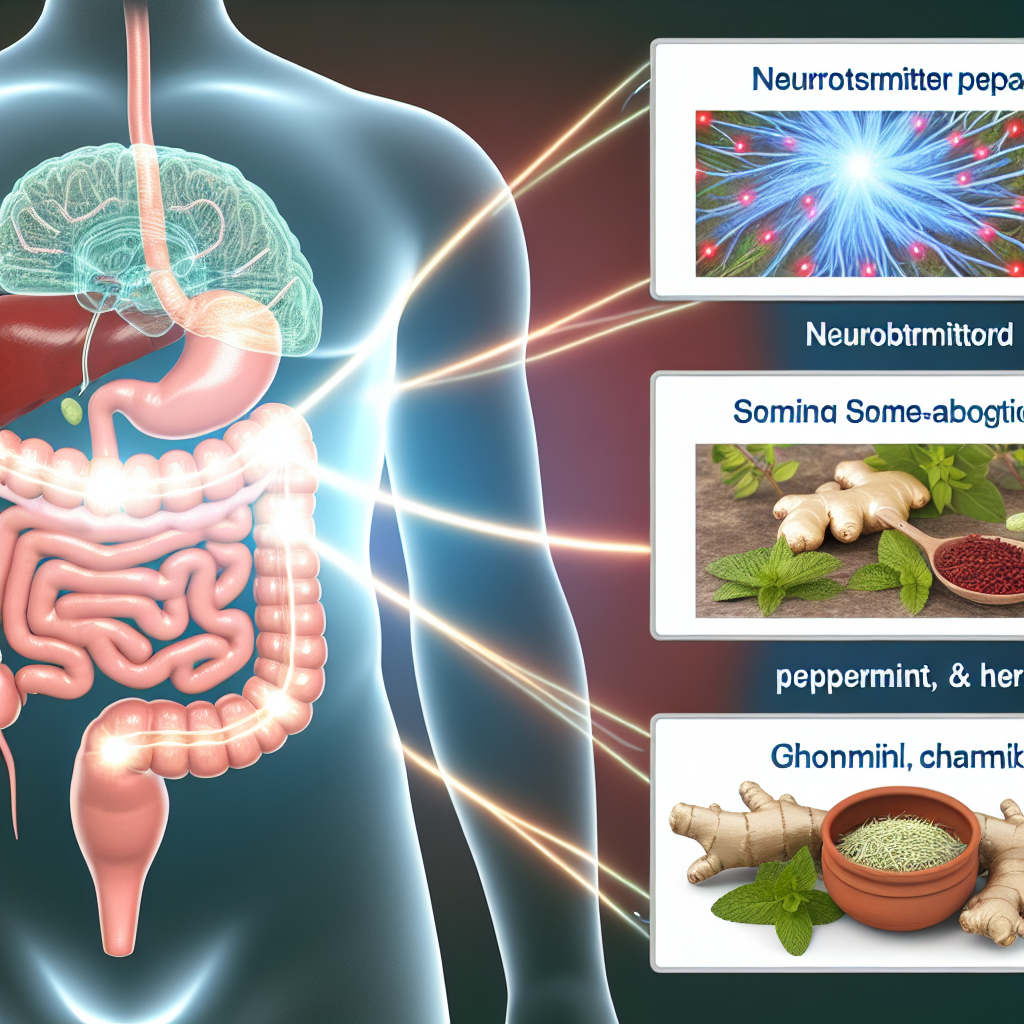
The gut-liver axis plays a key role in bile production and flow. A balanced microbiome helps maintain adequate bile metabolism and regulates intestinal pH. Disruption to this balance can result in overproduction or stagnation of bile, leading to reflux.
A study published in Nature Reviews Gastroenterology & Hepatology (2016) outlines how microbiome health influences bile salt metabolism and gut inflammation — two key issues in bile reflux.
2. Herbal Interventions
Several cholagogues (herbs that promote bile flow) and anti-inflammatory herbs offer support in reducing bile reflux symptoms:
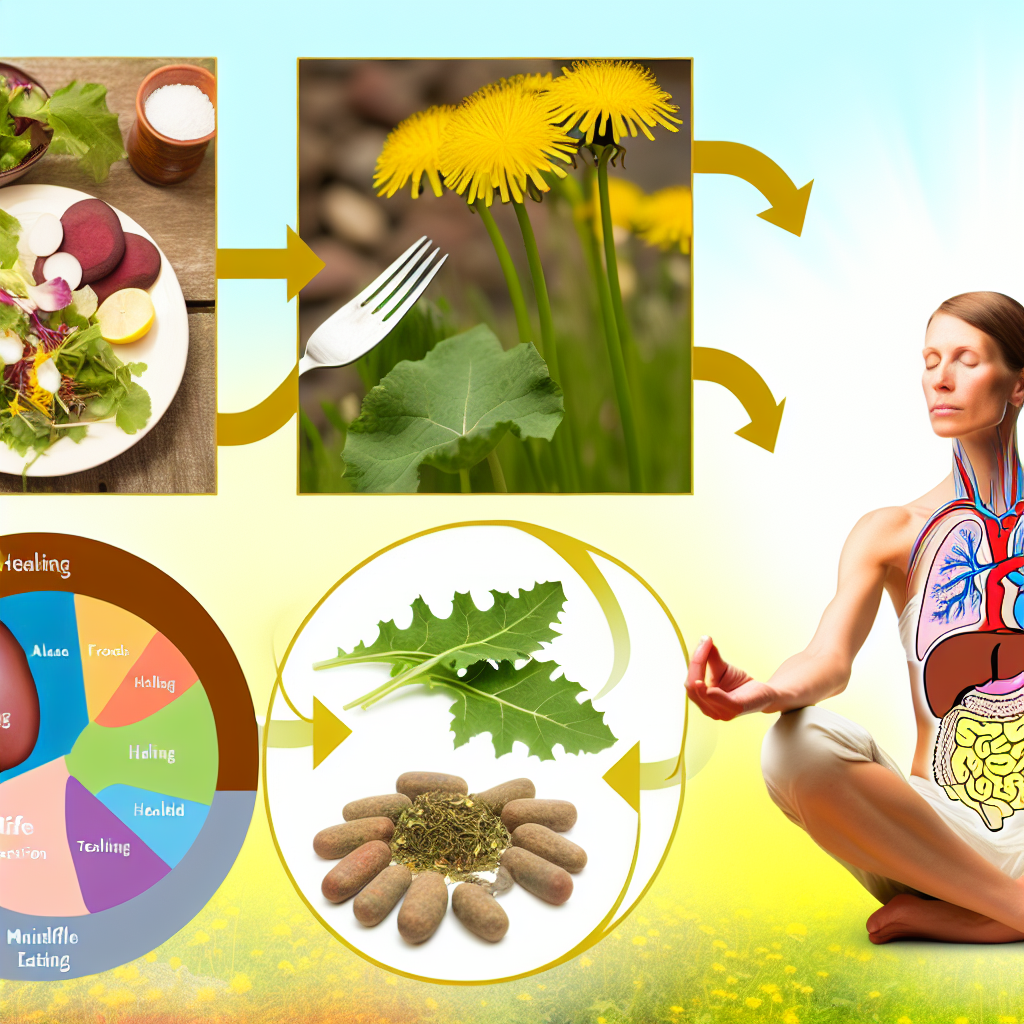
– Dandelion Root (Taraxacum officinale): Stimulates bile production, supports liver detoxification, and protects liver tissues. A 2010 study in the Journal of Ethnopharmacology confirmed its hepatoprotective effectiveness.
– Milk Thistle (Silybum marianum): Contains silymarin, which repairs liver cells and enhances antioxidant levels. Supported by research from the NIH, it’s often recommended for liver and bile-related conditions.
– Slippery Elm and Marshmallow Root: Act as demulcents that coat the stomach and esophageal lining, protecting against bile’s corrosive effects and reducing inflammation-related discomfort.
3. Alkaline Nutrition
An alkaline-forming diet helps reduce systemic and gut inflammation. Foods that support bile health and reduce reflux symptoms include:
– Leafy greens (spinach, kale)
– Cucumbers and beets
– Avocados and lemons (alkalizing in their metabolic effect)
– Turmeric and ginger (anti-inflammatory)
Avoid acidic, spicy, and processed foods such as:
– Alcohol and caffeine
– Red meats and fried items
– Refined sugars and synthetic additives
As explained in LiveScience, while foods can’t change blood pH directly, their metabolic residue may influence inflammation and digestive conditions like bile reflux.
4. Functional and Integrative Medicine Support
According to a 2019 review in Integrative Medicine: A Clinician’s Journal, supporting detox pathways is essential in chronic GI disorders like bile reflux. Supplements such as:
– NAC (N-Acetyl Cysteine): Promotes liver detoxification and glutathione production.
– L-glutamine: Repairs intestinal walls, especially useful in cases of gastritis or mucosal damage.
These nutrients aid in cellular repair and support the organs responsible for bile production and regulation.
5. Restorative Lifestyle Practices
Modifying lifestyle habits can significantly reduce the frequency and severity of bile reflux episodes. Effective practices include:
– Mindful Eating: Chewing food thoroughly enhances enzymatic digestion and reduces bile overload.
– Meal Timing: Smaller, more frequent meals decrease abdominal pressure and improve bile release patterns.
– Posture: Remain upright for at least one hour after meals. Avoid lying down immediately after eating.
– Stress Reduction: Practicing yoga, meditation, and breathwork can lower cortisol, assisting in digestion and bile modulation.
– Intermittent Fasting: Allows time for bile recirculation and gut healing while relieving the digestive system from constant workload.
Regular hydration also ensures bile remains fluid and less irritating. Warm herbal teas, alkaline water, and broths are preferred over sugary or carbonated drinks.
Conclusion
The Alkaline Healing Protocol offers a scientifically backed, holistic way to address bile reflux naturally. By focusing on restoring internal pH balance, enhancing liver and gallbladder function, introducing therapeutic herbs, and adopting gut-soothing foods and habits, it treats more than just the symptoms. This approach advocates for long-term digestive health and resilience, supporting the body’s ability to self-regulate bile, promote healing, and reduce dependency on pharmaceuticals. Whether you’re looking for an alternative to medications or seeking to uncover the root cause of bile reflux, this method presents a thoughtful and gentle pathway to lasting relief.
Concise Summary
The Alkaline Healing Protocol offers a comprehensive natural treatment for bile reflux by addressing root causes such as gut microbiome imbalance, liver dysfunction, and inflammation. It incorporates herbal remedies like milk thistle and dandelion, alkaline nutrition, mindful lifestyle habits, and supplements that support detoxification and gut repair. By rebalancing bile production and improving digestive health holistically, this protocol provides an effective and sustainable alternative to medications and surgeries often used in bile reflux treatment.
References
– Nature Reviews Gastroenterology & Hepatology (2016): The intestinal microbiota in health and disease
– Journal of Ethnopharmacology (2010): The hepatoprotective effect of dandelion root
– Integrative Medicine: A Clinician’s Journal (2019)
– National Institutes of Health: Milk Thistle for liver conditions
– LiveScience: The truth about alkaline foods