Oxalate Dumping Symptoms – Natural Detox Support Protocol
Introduction
Oxalates are naturally occurring compounds found in many plant-based foods such as spinach, beets, almonds, and berries. While typically harmless in moderate amounts, high dietary intake or impaired metabolism of oxalates can lead to their accumulation in body tissue. This condition, often referred to as oxalate overload, poses risks such as kidney stones and joint pain, as oxalates often bind to minerals like calcium and iron, forming sharp crystals.
When individuals adopt a low-oxalate diet to alleviate symptoms, a lesser-known and confusing phase called oxalate dumping can occur. This refers to the body’s detoxification process in which previously stored oxalates are released into circulation and eliminated. During this phase, people may experience a temporary increase in symptoms such as fatigue, bladder irritation, joint pain, skin rashes, and digestive disturbances.
Though rarely acknowledged in conventional medicine, numerous holistic and functional medicine practitioners recognize oxalate dumping as a real and challenging detox phase. These detox reactions can mimic autoimmune flare-ups, making it easy for sufferers to misinterpret the symptoms or abandon their dietary improvements out of frustration.
This detox response is particularly common in individuals with gut dysfunctions—such as leaky gut syndrome, candida overgrowth, or genetic polymorphisms impacting oxalate metabolism like SLC26A6 or AGXT gene mutations. Fortunately, strategic support targeting the gut, detox pathways, and mineral balance can ease the transition and reduce symptoms.
This protocol outlines key symptoms and holistic approaches to safely and effectively manage oxalate dumping symptoms while restoring gut and metabolic health.
Understanding the Evidence: Research and Professional Insight
Oxalate dumping may not yet be a recognized clinical term in mainstream diagnostics, but scientific studies validate related mechanisms such as oxalate sensitivity, systemic oxalate load, and their connection to various health disorders.
Recent studies emphasize the connection between intestinal issues and systemic oxalate levels. According to a study published by Siener et al. (2020), chronic gastrointestinal conditions like IBD, celiac disease, and short bowel syndrome can lead to enteric hyperoxaluria—a condition in which oxalate absorption dramatically increases.
Those with gut dysbiosis often lack oxalate-degrading bacteria such as Oxalobacter formigenes, which helps breakdown oxalates before they enter systemic circulation. A study published in the Journal of the American Society of Nephrology (2005) reports that supplementation with this bacterium may help reduce urinary oxalate levels significantly.
In individuals with primary hyperoxaluria, genetic variants such as mutations in the AGXT gene impair oxalate metabolism. Research shared in Nature Genetics (2008) highlights that those with genetic impairments may benefit from enzyme support and stringent oxalate-reduction protocols.
Additionally, nutrient supplementation has shown promise. A study in the Journal of the American College of Nutrition (2012) found that magnesium, calcium, and vitamin B6 reduced urinary oxalate—backing the importance of mineral supplementation in detox programs.
Educational efforts by integrative health advocates such as Susan Owens of the Autism Oxalate Project have further advanced understanding by cataloging oxalate-related neurological, gastrointestinal, and mood symptoms.
Natural Detox Support Protocol for Oxalate Dumping
1. Gradual Oxalate Reduction
Avoid sudden elimination of high-oxalate foods. Slowly taper intake over several weeks to reduce the likelihood of sharp detox reactions. Use verified low-oxalate food charts and make incremental changes, reducing intake by 5–10% weekly. This gives the body time to adapt to metabolic changes.
2. Mineral Supplementation
Minerals like calcium citrate and magnesium citrate bind to oxalates in the gut and prevent them from being reabsorbed into the bloodstream. Take these supplements with or just before meals containing oxalates for optimal binding. Potassium citrate can also reduce risk of oxalate-related kidney stones.
3. Support Gut Flora
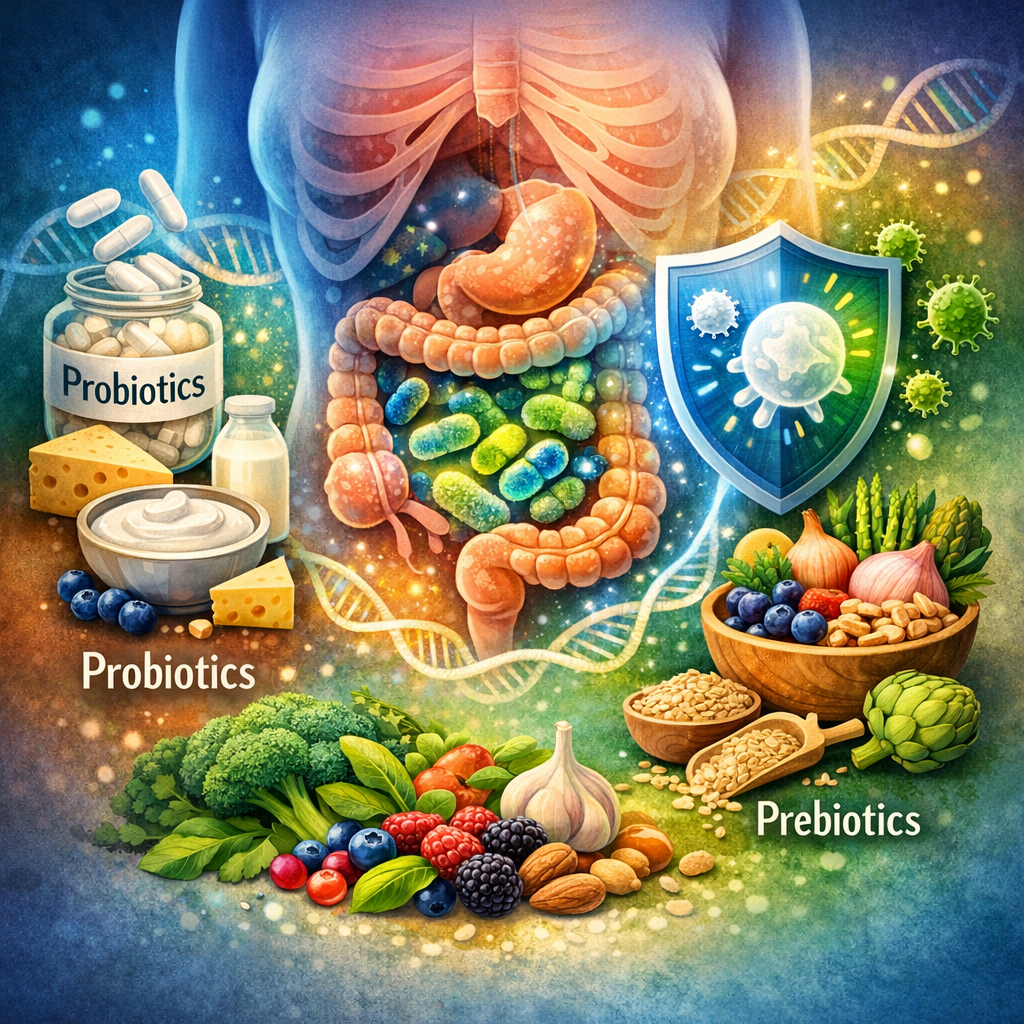
Introduce probiotic-rich foods like sauerkraut, kefir, and kimchi to reintroduce beneficial bacteria. Add targeted probiotics such as Oxalobacter formigenes and strains from Bifidobacterium and Lactobacillus acidophilus. These help degrade oxalates before absorption and contribute to microbiome balance.
4. Hydration and Kidney Support
Increase daily water intake to 2-3 liters. Add fresh lemon juice, a natural source of citrate, which binds with calcium to prevent oxalate crystal formation. Proper hydration facilitates oxalate excretion through the urinary tract and protects kidney function during detox.
5. Anti-inflammatory Herbs
Incorporate herbs with anti-inflammatory properties to soothe systemic irritation during oxalate release. Turmeric (curcumin), ginger, and boswellia help reduce symptoms like musculoskeletal pain, digestive upset, and skin inflammation. Follow dosage recommendations on high-quality herbal supplements.
6. Liver and Detox Pathway Support
Support detoxification organs with liver-boosting compounds like milk thistle, N-acetylcysteine (NAC), and dandelion root. These promote glutathione synthesis and help clear oxalate and other metabolic waste. Adequate sleep and minimal toxin exposure also help reduce liver burden.
7. Track and Adjust
Maintain a symptom and food diary to identify triggers and track your progress. Note improvements or flare-ups. This helps both individuals and practitioners spot trends and optimally adjust detox strategies. Consider functional testing if underlying conditions are suspected.
Conclusion
Oxalate dumping is a lesser-known detox phenomenon that mirrors inflammation-related conditions and can make healthy dietary changes feel counterproductive. However, with a science-backed and holistic approach, the process can be managed safely and effectively. Gradual changes, gut and liver support, and targeted interventions not only reduce discomfort during detox but also pave the way for long-term wellness, especially in those with oxalate sensitivity, microbiome dysbiosis, or impaired detox genes. Working with an informed practitioner and understanding your body’s patterns makes oxalate detox achievable and empowering.
References
– Owens, S. (n.d.). Trying Low Oxalates group. Autism Oxalate Project
Concise Summary
Oxalate dumping is a detox process triggered by a sudden reduction in high-oxalate foods, leading the body to release stored oxalates, potentially causing uncomfortable symptoms like fatigue, joint pain, and rashes. This reaction is more common in people with gut inflammation, microbiome imbalances, or genetic metabolic issues. Supportive strategies include gradual dietary changes, mineral binders, hydration, liver detox supplements, and probiotics to ease symptoms. Though not widely recognized in mainstream medicine, integrative practitioners and emerging research validate oxalate sensitivity and its systemic effects, underscoring the need for personalized, supportive detox approaches.

Dominic E. is a passionate filmmaker navigating the exciting intersection of art and science. By day, he delves into the complexities of the human body as a full-time medical writer, meticulously translating intricate medical concepts into accessible and engaging narratives. By night, he explores the boundless realm of cinematic storytelling, crafting narratives that evoke emotion and challenge perspectives.
Film Student and Full-time Medical Writer for ContentVendor.com