Gastroparesis Diet Plan – Natural Motility Enhancement Foods
Introduction
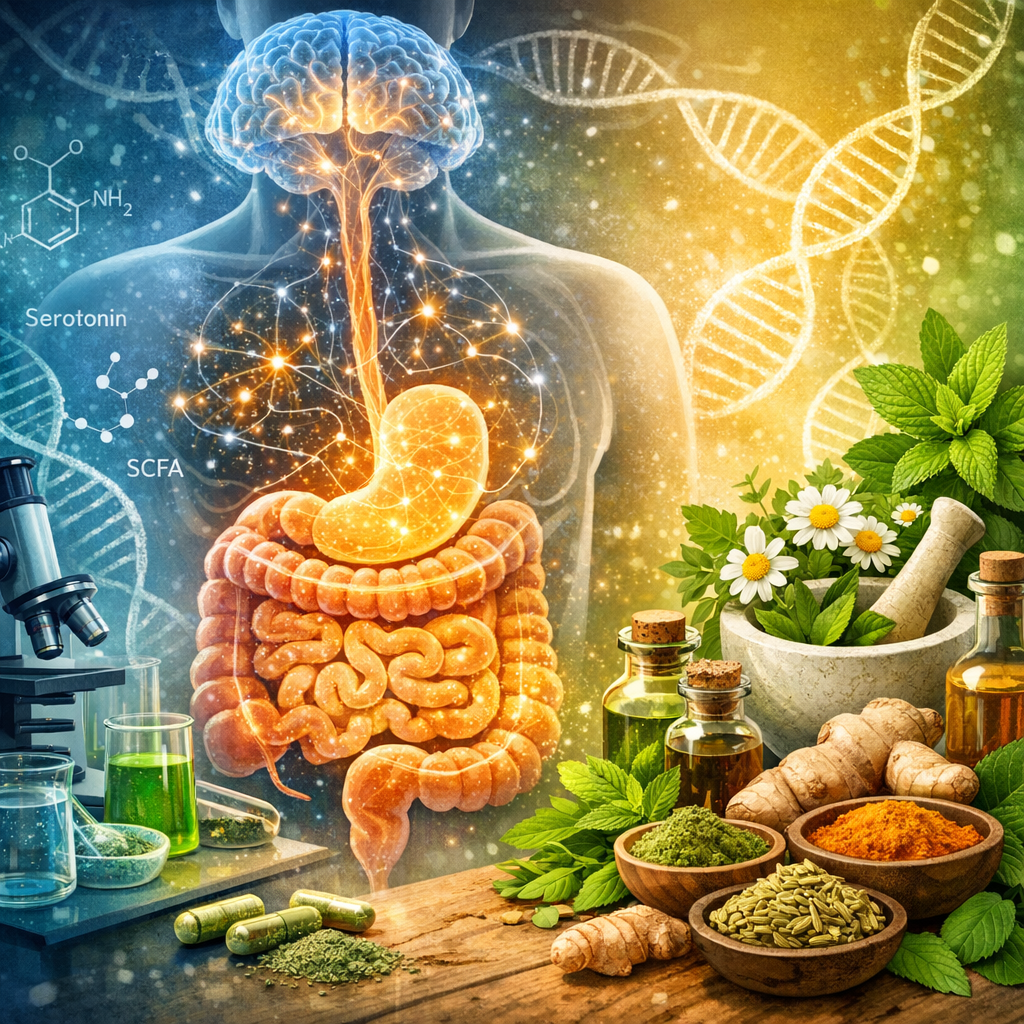
Gastroparesis, a condition marked by delayed gastric emptying, disrupts normal digestion and causes symptoms such as nausea, vomiting, bloating, and malnutrition. This chronic disorder is often misunderstood and underdiagnosed. Conventional treatments can involve medications or surgical interventions, but growing attention is being directed toward more holistic methods — particularly nutritional interventions and herbal remedies.
Understanding the intimate relationship between diet and digestive performance empowers individuals to enhance their gut function naturally. By including foods and herbs known to support digestive motility, such as ginger, peppermint, oats, and bone broth, those living with gastroparesis can experience relief without relying exclusively on medication.
Moreover, improving gastric motility naturally involves more than just choosing the right foods. Factors such as hydration, the health of the gut-brain axis, hormonal balance, and nervous system function also play a vital role. Exploring both ancient and modern remedies, this guide serves to provide practical, evidence-based strategies that promote sustained digestive health.
Medical Research on Natural Motility Enhancers
The link between nutrition and gastroparesis symptoms is well-supported by contemporary research. A 2012 study published in the American Journal of Gastroenterology established that dietary modifications, such as low-fat and low-fiber diets, are essential in the relief of delayed gastric emptying symptoms.
One of the most effective natural options is ginger. A 2019 clinical trial demonstrated that ginger improves both antral contractions and gastric emptying rates, supported by active compounds like gingerol and shogaol. These chemicals stimulate digestive enzymes and enhance smooth muscle activity in the GI tract.
Peppermint oil is another extensively studied remedy. While known for its efficacy in managing symptoms of irritable bowel syndrome, it also eases symptoms related to gastroparesis. A 2018 review confirmed that peppermint oil demonstrates antispasmodic and carminative actions, helping to reduce gastrointestinal bloating and improve peristaltic flow.
Among whole foods, oats are highlighted due to their content of soluble fiber, which can aid digestion without irritating the stomach lining. It’s important to note that fiber must be introduced cautiously, as insoluble or excessive fiber can exacerbate symptoms. Cooked oats or rice cereals offer a balanced solution, delivering nutrients in easily absorbable form.
Bone broth—a rich source of gelatin, glycine, and amino acids—helps repair the intestinal lining and supports beneficial gut bacteria. A review in Nutrition Reviews emphasized its potential in promoting intestinal mucosal restoration.
Maintaining ample hydration supports gastric transit by reducing the viscosity of chyme and aiding in nutrient movement through the stomach to the intestines. Proper fluid intake also prevents the formation of gastric bezoars—hardened masses of undigested material common in gastroparesis patients.
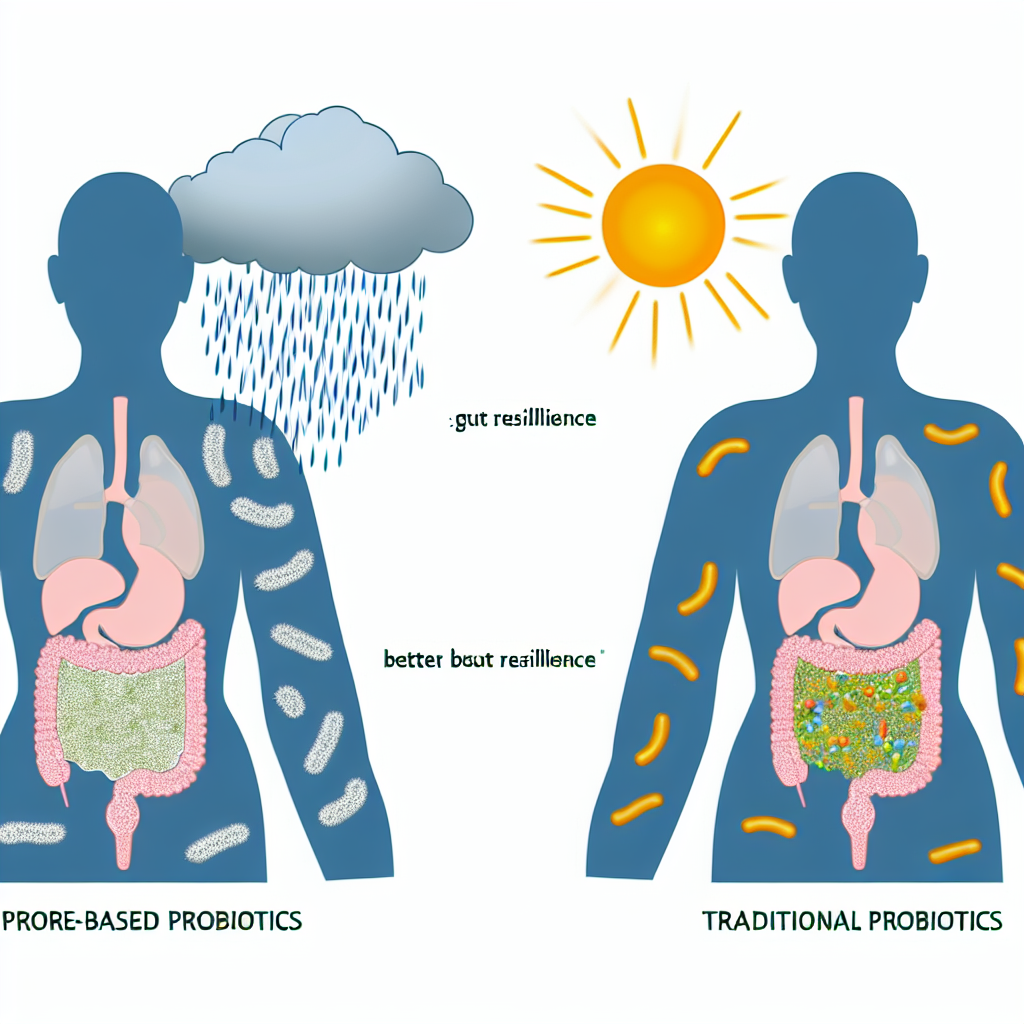
Further, probiotics such as Lactobacillus and Bifidobacterium may positively influence gut motility. A 2020 review in Nutrients showed that probiotics aid in reducing gut inflammation and strengthening neural pathways within the enteric nervous system, thereby supporting smoother muscular contractions.
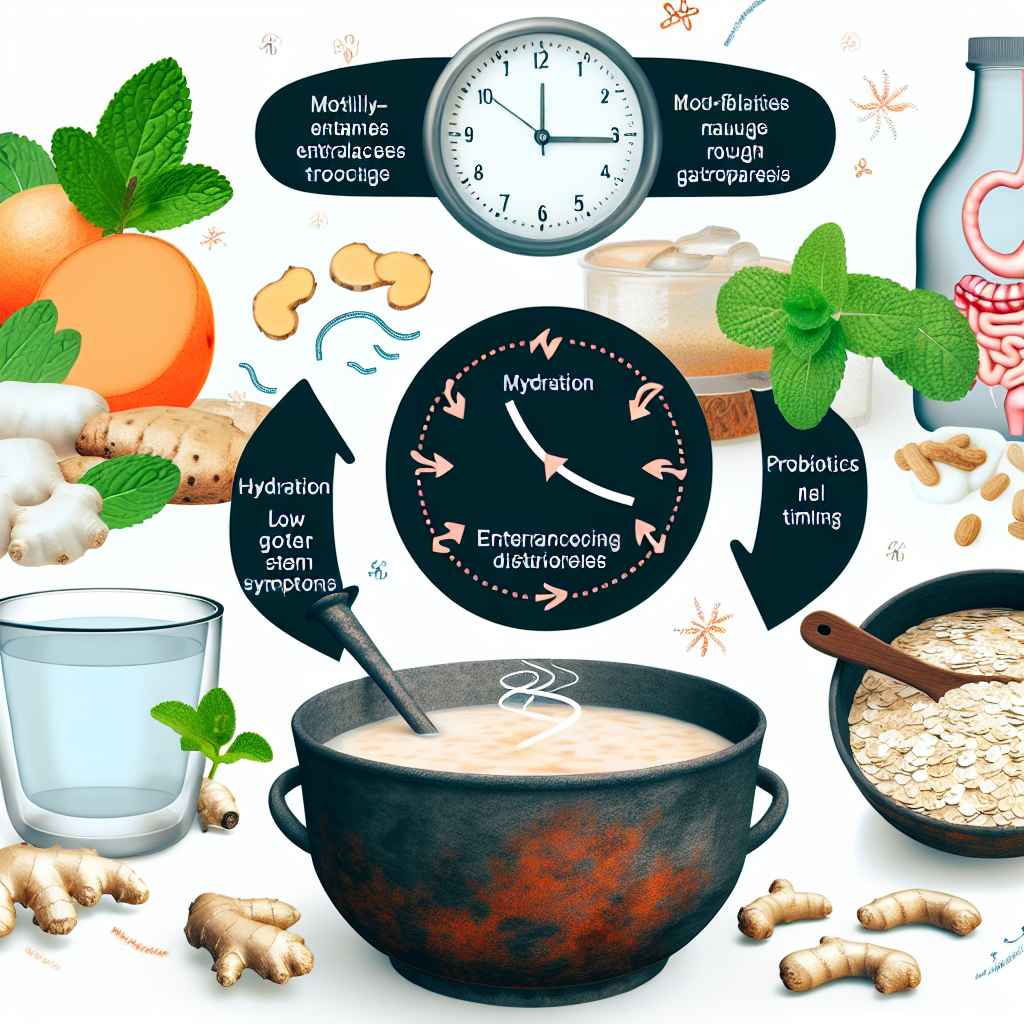
Additionally, clinical settings recommend eating small, frequent meals made from low-fat, low-residue foods to sustain steady digestion. Sleeping or reclining soon after eating should be avoided; instead, staying upright for at least an hour helps leverage gravity to assist food transit and reduce reflux risks.
Motility-Enhancing Foods for Gastroparesis Diet Plan
Recommended foods:
– Ginger tea or powdered ginger (1–2 grams daily)
– Peppermint tea or enteric-coated peppermint oil supplements
– Cooked oatmeal or rice cereal
– Bone broth and gelatin-rich soups
– Stewed bananas or peeled apples
– Nut butters like almond or peanut (smooth, used in moderation)
– Fermented foods like kefir and yogurt (for live culture probiotics)
– Purée vegetables with low fiber, e.g., carrots, zucchini, spinach
Foods to avoid:
– Raw vegetables and high-fiber fruits (e.g., broccoli, legumes, fruit skins)
– Fried foods, high-fat meats, and full-fat dairy products
– Carbonated drinks (cause gas and bloating)
– Caffeine and alcohol (can trigger spasms and worsen motility)
Conclusion
Effectively managing gastroparesis through natural methods requires a dedicated, scientifically informed approach emphasizing foods and herbs that support digestive motility. Incorporating ginger, peppermint, probiotics, and bone broth—combined with strategies such as frequent small meals and upright posture after eating—offers not just symptom relief, but ongoing digestive health restoration. When practiced under medical guidance and practiced consistently, this method blends ancient wisdom and modern science for a balanced, natural response to gastroparesis.
References
– Plaza-Diaz, J. et al. (2020). Probiotics and the modulation of gut motility. Nutrients.
– Zhang, M. et al. (2016). Bone broth’s role in mucosal restoration. Nutrition Reviews.
For more science-based tips on digestive health, visit https://gutnow.com.
Summary (100 Words)
This gastroparesis diet guide presents an evidence-based approach to naturally enhancing gastric motility using foods and herbs like ginger, peppermint, and bone broth. Based on recent scientific research, the plan favors low-fat, low-fiber, easily digestible meals to reduce symptoms like bloating and nausea. It also emphasizes probiotic support, hydration, and posture after eating. Avoidance of high-fat, fibrous, and carbonated items can significantly reduce complications. With consistent application and professional guidance, this strategy fosters long-term digestive balance and symptom relief—helping patients manage gastroparesis more naturally and effectively.