Phytotherapeutic Rotation for SIBO: Preventing Herbal Resistance with a Cyclical Antimicrobial Approach
Introduction
Small Intestinal Bacterial Overgrowth (SIBO) is a condition characterized by excessive bacterial colonization in the small intestine. Common symptoms include bloating, gas, abdominal discomfort, constipation, diarrhea, and nutrient malabsorption. Though pharmaceutical antibiotics like rifaximin are frequently prescribed, they are often accompanied by high relapse rates and growing concerns about bacterial resistance.
Increasingly, patients and practitioners are turning to herbal antimicrobials for SIBO treatment—natural solutions that are effective but, if misused, can also encourage resistance. This has led to the emergence of the concept of phytotherapeutic rotation, which involves cycling through different herbal treatments in structured intervals to reduce the risk of resistance and boost treatment efficacy.
This approach models strategies used in conventional infectious disease medicine, where rotating pharmaceutical antibiotics helps outsmart evolving pathogens. Rather than staying on one botanical like oregano oil or berberine indefinitely, herbs are switched every 10 to 14 days, often followed by a rest period to allow intestinal healing.
The selection of herbs is not arbitrary, but rather based on their distinct mechanisms of antimicrobial action. This prevents overgrown microbes from adapting to any one compound, while simultaneously supporting gut repair and microbial balance—a foundational tenet in functional and integrative medicine.
Features and Scientific Basis
An increasing body of clinical research validates the use of herbal protocols for SIBO. A 2014 study published in the journal Global Advances in Health and Medicine compared herbal therapy to rifaximin, a commonly prescribed antibiotic. The study found that herbal therapy had an eradication rate of 46%, compared to 34% for rifaximin, with significantly fewer side effects.
Key botanicals involved in these protocols include:
– Berberine
– Oregano oil
– Thyme
– Wormwood
A separate study in the journal Alternative Therapies in Health and Medicine (2013) confirmed the broad-spectrum antimicrobial properties of compounds such as:
– Allicin (found in garlic) – causes oxidative stress in bacteria
– Berberine – disrupts DNA replication and metabolism
– Carvacrol (from oregano) – penetrates and breaks down bacterial membranes
However, overuse or prolonged exposure to one herbal treatment may lead to herbal resistance. A 2020 review in Phytotherapy Research emphasizes that bacteria can adapt by using transport proteins like efflux pumps and through gene expression changes—similar to how antibiotic resistance develops.
The Role of Herbal Rotation
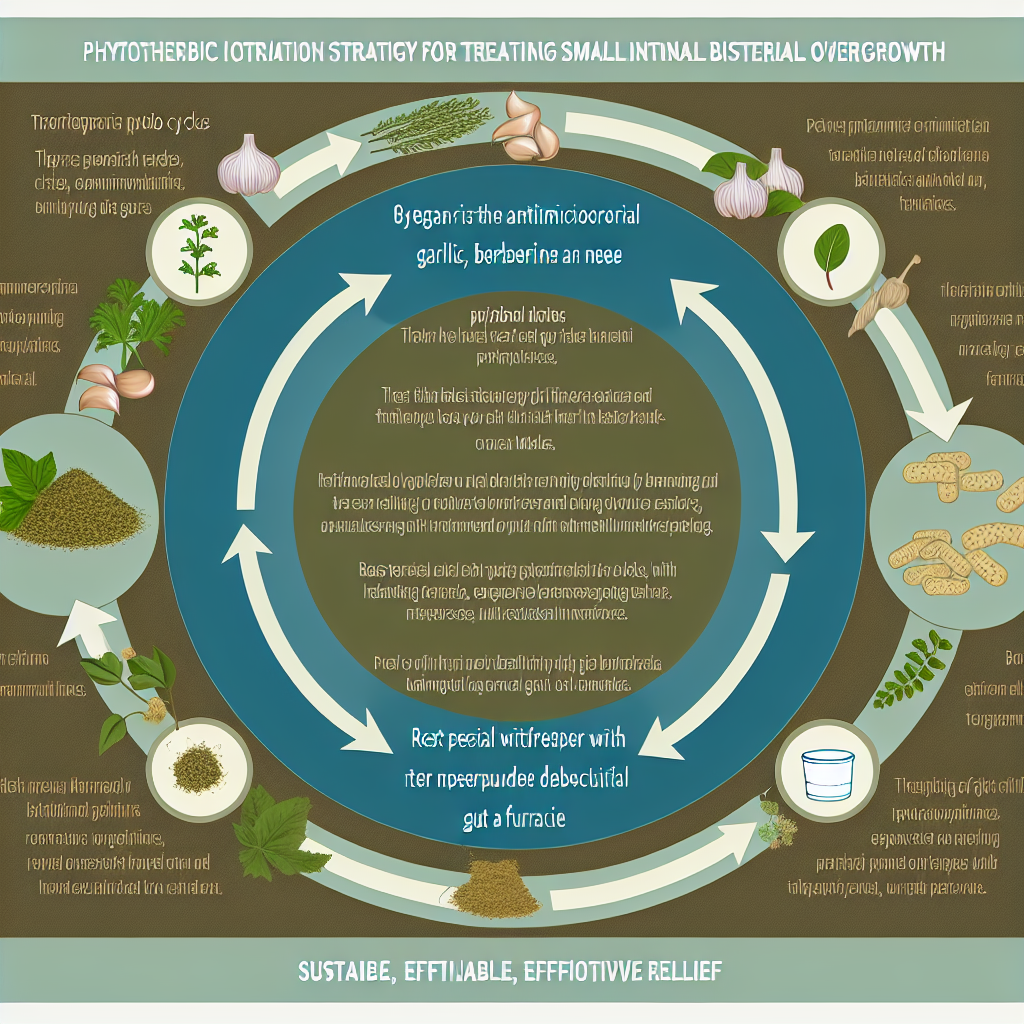
Phytotherapeutic rotation breaks the cycle of microbial adaptation. By frequently switching antimicrobial herbs every 10 to 14 days, bacteria face new challenges before they can overcome previous antimicrobial agents. This method involves:
– Alternating herbs with vastly different actions every cycle.
– Including “rest” periods between cycles to allow gut healing.
– Supporting mucosal repair with nutrients such as:
– L-glutamine,
– Zinc carnosine,
– Slippery elm and other mucilaginous herbs.
For example:
– Week 1–2: Oregano oil + berberine
– Week 3–4: Neem + garlic extract
– Week 5: Rest and gut repair
– Week 6–7: Thyme + wormwood
This strategic switching disrupts bacterial communication systems like quorum sensing, impairs biofilm formation, and ensures that no single group of bacteria adapts or strengthens.
Herbal mechanisms:
– Oregano oil – disrupts bacterial membranes
– Berberine – inhibits DNA replication
– Neem – inhibits quorum sensing
– Garlic/Allicin – induces oxidative stress
Supporting Detox and Recovery
As bacteria die off, they may release toxins leading to the Herxheimer reaction—a temporary worsening of symptoms like fatigue, headaches, or flu-like discomfort. To mitigate this:
– Include natural binders such as:
– Activated charcoal
– Bentonite clay
– Support liver and kidney function with hydration and detox-supportive herbs like milk thistle.
These adjunct therapies decrease the burden on the detoxification system and make the healing process more tolerable.
Benefits Over Pharmaceuticals
While antibiotics like rifaximin often result in a rebound of SIBO after treatment ends, ≤phytotherapeutic rotation≤ allows for:
– A lower risk of resistance development
– Preservation of beneficial gut flora
– Synergistic gut repair
– A holistic, systems-based approach aligned with functional medicine
Unlike antibiotics, which can disrupt the entire microbiome and often require repeated courses, cycling herbal antimicrobials offers a targeted and sustainable strategy for long-term gut health.
Conclusion
Phytotherapeutic rotation provides a forward-thinking and evidence-based approach to naturally resolve SIBO, minimize the chance of bacterial resistance, and encourage lasting gut health. By rotating herbs with distinct antimicrobial actions and incorporating gut-healing practices, this method represents a powerful ally in functional gastrointestinal care.
As always, it’s essential to work with an experienced integrative or functional medicine practitioner to customize protocol duration, herb selection, and support supplements based on your SIBO subtype (hydrogen-, methane-, or hydrogen-sulfide-dominant), tolerance levels, and underlying conditions.
Concise Summary
Phytotherapeutic rotation is a holistic cycle-based strategy for treating SIBO using natural antimicrobial herbs. It involves alternating specific botanicals every 10–14 days to prevent herbal resistance and improve treatment efficacy. This method mirrors antibiotic rotation principles and focuses on different antimicrobial mechanisms to outsmart bacteria while supporting gut lining repair. Research highlights herbs like oregano oil, berberine, and garlic extract as effective agents. Combined with rest periods and detox protocols, phytotherapeutic rotation provides a sustainable, integrative path toward lasting gut health. Consult a functional medicine practitioner for a personalized plan.
References
– Global Advances in Health and Medicine (2014). A retrospective chart review comparing herbal therapy to rifaximin.
– Alternative Therapies in Health and Medicine (2013). Herbal antimicrobials in the treatment of small intestinal bacterial overgrowth.
– Phytotherapy Research (2020). Emerging evidence about bacterial resistance to phytochemicals and strategic use of plant-based antimicrobials in clinical practice.
– American Journal of Gastroenterology (2003). Breath testing to evaluate lactose intolerance and SIBO.