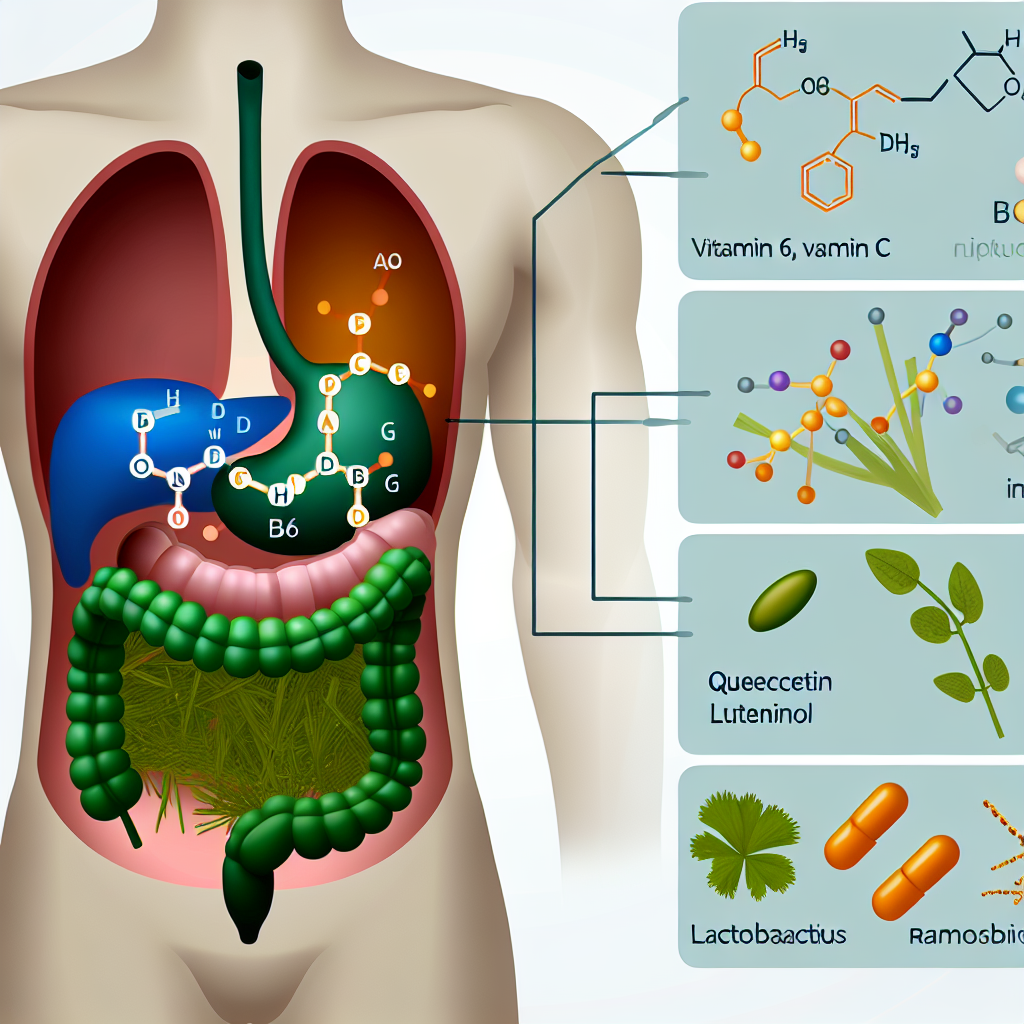
Histamine Degradation Pathway Support: Natural DAO Cofactors and Mast Cell Stabilizing Botanicals
Introduction
Histamine intolerance is a widespread yet often underdiagnosed condition that affects millions globally. It results from an imbalance between the accumulation of histamine in the body and the ability to effectively break it down. A central player in this process is the enzyme diamine oxidase (DAO), which primarily metabolizes ingested histamine, especially within the gut.
When DAO activity is compromised—due to nutrient deficiencies, poor gut health, or excessive dietary histamine—individuals often experience symptoms such as headaches, bloating, hives, mood disturbances, heart palpitations, or gastrointestinal discomfort. These symptoms mimic allergies but can often go untreated due to the diagnostic challenges.
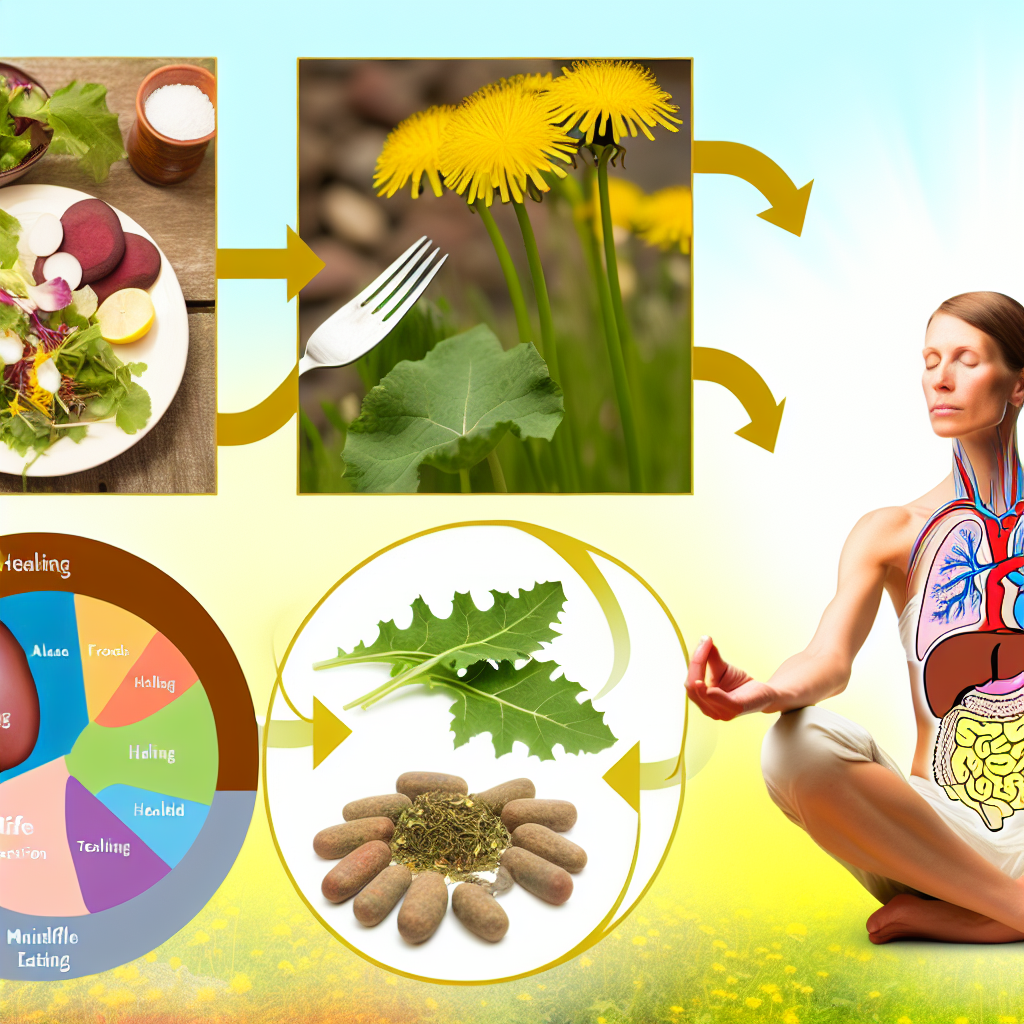
Supporting the histamine degradation pathway forms the basis of effective management. Beyond simply avoiding histamine-rich foods, a more sustainable approach enhances the body’s natural breakdown capacity. This includes boosting endogenous histamine degradation enzymes with natural DAO cofactors, which prevent histamine overload. Additionally, botanical compounds that stabilize mast cells—the immune cells largely responsible for histamine release—offer another tier of protection.
Since DAO is a copper-dependent enzyme, several nutrients are key for optimal activity. These include vitamin B6, vitamin C, zinc, and copper. Without sufficient levels, histamine accumulates and leads to intolerance symptoms. Supporting related enzymes like histamine-N-methyltransferase (HNMT)—which acts within cells—is also valuable.
Moreover, many environmental and internal triggers, such as gut dysbiosis, intestinal inflammation, or stress, exacerbate histamine intolerance. Thus, a comprehensive, integrative strategy that includes DAO-enhancing nutrients, mast cell stabilizing herbs, and probiotics can offer profound relief.
Features and Scientific Research
Diamine oxidase (DAO) serves as the gut’s primary defense mechanism against dietary histamine. Scientific studies show that maintaining adequate levels of its cofactors is necessary for effective histamine degradation.
A 2018 study published in Nutrients found that people with low DAO activity generally had lower levels of vitamin B6, vitamin C, and copper. Supplementing these nutrients supports DAO enzyme function both in laboratory and human studies. While zinc isn’t a direct cofactor for DAO, it maintains intestinal integrity and supports immune health—thereby aiding histamine balance indirectly.
Vitamin C also serves a dual purpose. In addition to boosting DAO activity, it acts as a natural antihistamine. A landmark 1992 study in the Journal of the American College of Nutrition reported that vitamin C supplementation significantly decreased circulating histamine levels in healthy adults, likely by suppressing mast cell degranulation and accelerating clearance.
Among botanical supplements, quercetin—found in apples, onions, and capers—has garnered attention for its ability to prevent mast cells from releasing histamine. A comprehensive 2016 review published in Nutrients highlighted how quercetin modulates calcium signaling pathways essential to mast cell degranulation and also inhibits pro-inflammatory mediators.
Luteolin, a cousin compound to quercetin, similarly inhibits mast cell activity and reduces pro-inflammatory cytokines. According to a 2020 article in Frontiers in Neuroscience, luteolin is especially impactful for individuals with neuroinflammatory or allergic gut disorders, providing symptom relief and gut-brain axis regulation.
Another herbal ally, stinging nettle (Urtica dioica), works on multiple fronts. Research shows nettle stabilizes mast cells, reduces histamine receptor activity, and interrupts inflammatory signals like prostaglandins. A 1990 trial featured in Planta Medica found that freeze-dried nettle alleviated allergic rhinitis symptoms, underscoring its antihistamine-like action.
Finally, the gut microbiome plays a pivotal role in histamine balance. Certain probiotics not only prevent histamine-producing bacteria from colonizing the gut but also enhance the mucosal barrier, aiding DAO enzyme function. Probiotic strains like Lactobacillus rhamnosus GG and Bifidobacterium infantis were shown in a 2021 International Journal of Molecular Sciences study to reduce intestinal permeability and improve histamine detoxification pathways.
Together, these strategies form a multi-layered framework for managing histamine intolerance by addressing the root causes—rather than just alleviating symptoms.
Conclusion
Natural support for the histamine degradation pathway is a viable, sustainable approach for individuals experiencing histamine overload. Ensuring adequate intake of key DAO cofactors—including vitamin B6, vitamin C, copper, and zinc—can support enzymatic activity critical for breaking down histamine efficiently. Adding mast cell-stabilizing botanicals like quercetin, luteolin, and stinging nettle, along with gut-oriented probiotics, adds another layer of support.
This comprehensive, holistic strategy not only minimizes histamine-related symptoms naturally but also enhances gut and immune health over time. As the science around histamine intolerance and nutritional support evolves, these integrative measures are becoming foundational tools in the management of chronic food sensitivities and inflammation.
References
- Comas-Basté, Oriol, et al. Nutrients, 2018.
- Johnston, Carol S., et al. Journal of the American College of Nutrition, 1992.
- Li, Yuan, et al. Nutrients, 2016.
- Tsilioni, Ioanna, and Theoharides, Theoharis C. Frontiers in Neuroscience, 2020.
- Mittman, Philip. Planta Medica, 1990.
- Živković, Milica, et al. International Journal of Molecular Sciences, 2021.
Concise Summary
Histamine intolerance occurs when excessive histamine accumulates due to insufficient breakdown by DAO and other enzymes. Natural support through key nutrients—like vitamin B6, C, copper, and zinc—optimizes DAO activity. Plant compounds such as quercetin, luteolin, and nettle also stabilize mast cells to prevent histamine release. Improving gut health with targeted probiotics further aids histamine clearance. Together, these holistic strategies relieve symptoms like headaches, bloating, and skin reactions without pharmaceuticals, offering a sustainable way to manage histamine sensitivity through diet, supplementation, and lifestyle.