The Carnivore Diet Transition for Severe IBD: A Phased Approach and Critical Nutrient Monitoring
Introduction
Inflammatory Bowel Disease (IBD), encompassing Crohn’s Disease and Ulcerative Colitis, is a chronic inflammatory condition. Patients often suffer from severe abdominal pain, diarrhea, and malnutrition. While traditional treatments include medication and surgery, there’s growing interest in the Carnivore Diet for symptom management. This all-meat diet eliminates plant foods, believed to reduce inflammation by avoiding plant irritants like lectins and oxalates.
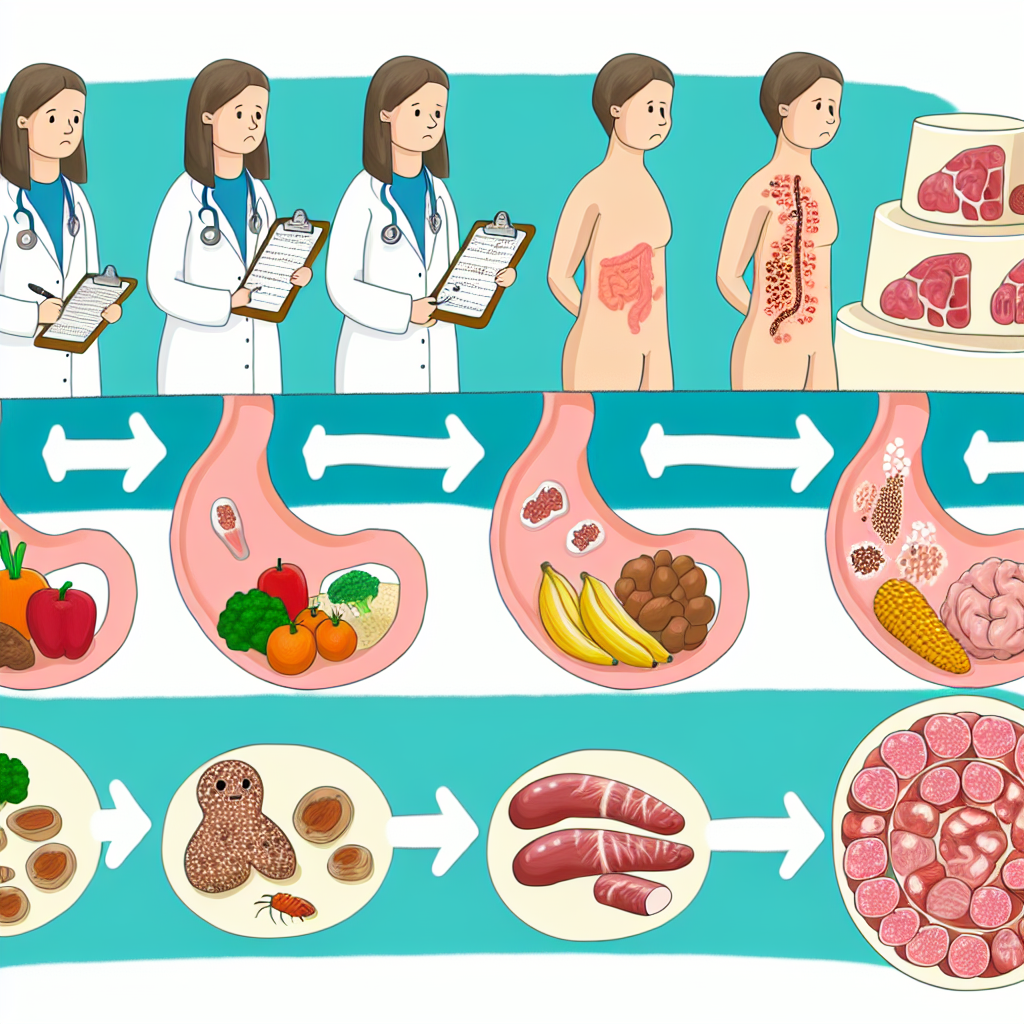
Transitioning to this diet requires a cautious, phased approach due to potential changes in gut flora and nutrient absorption. Initially, patients should eliminate gluten and processed foods before focusing on easily digestible meats. Critical nutrient monitoring for deficiencies in vitamins like Vitamin C and minerals is vital, with supplementation as needed. Ongoing consultation with a dietitian or gastroenterologist is crucial for a personalized approach.
Features
Numerous studies and anecdotal reports highlight dietary interventions for managing IBD. A 2020 study in *Nutrients* found that reducing carbohydrates can lower inflammation markers in some IBD patients. However, the Carnivore Diet’s role is still under study. Its anti-inflammatory rationale aims to reduce gut inflammation by eliminating complex carbs and plant irritants. While promising, peer-reviewed studies on strictly Carnivore Diets in IBD are still emerging.
A case study in *BMJ Case Reports* described a Crohn’s patient achieving remission with a meat-based diet, underlining the need for further research. Despite potential benefits, critical nutrient monitoring remains essential, especially for Vitamin C and fiber. Clinical guidance helps address nutrient gaps to ensure patient safety.
Conclusion
Exploring the Carnivore Diet for managing severe IBD is gaining interest among patients seeking alternatives. However, its application requires careful planning and ongoing clinical supervision. The phased approach, coupled with rigorous nutrient monitoring, underscores the need for caution and personalized interventions. Further research is necessary to understand its efficacy and safety fully. Patients should work closely with healthcare providers to make informed decisions.
References
1. [*Nutrients* journal study on carbohydrate-restricted diets and inflammation](https://www.mdpi.com/journal/nutrients).
2. [BMJ Case Reports on Crohn’s Disease and diet interventions](https://casereports.bmj.com/).
These resources offer in-depth insights into the current research landscape on diet and IBD management.
Concise Summary
The Carnivore Diet, an all-meat dietary intervention, is being explored for managing severe Inflammatory Bowel Disease (IBD) symptoms. This approach eliminates plant-based foods to reduce inflammation but requires a phased transition due to potential impacts on gut flora and nutrient absorption. Essential nutrients like Vitamin C must be monitored carefully, with adjustments as needed to prevent deficiencies. While initial studies and case reports indicate potential benefits, more scientific research is necessary. Patients interested in this diet should collaborate with healthcare professionals to ensure a safe, personalized transition.