Nightshade Sensitivity and Intestinal Permeability: A Deep Dive into Lectins and Alkaloids
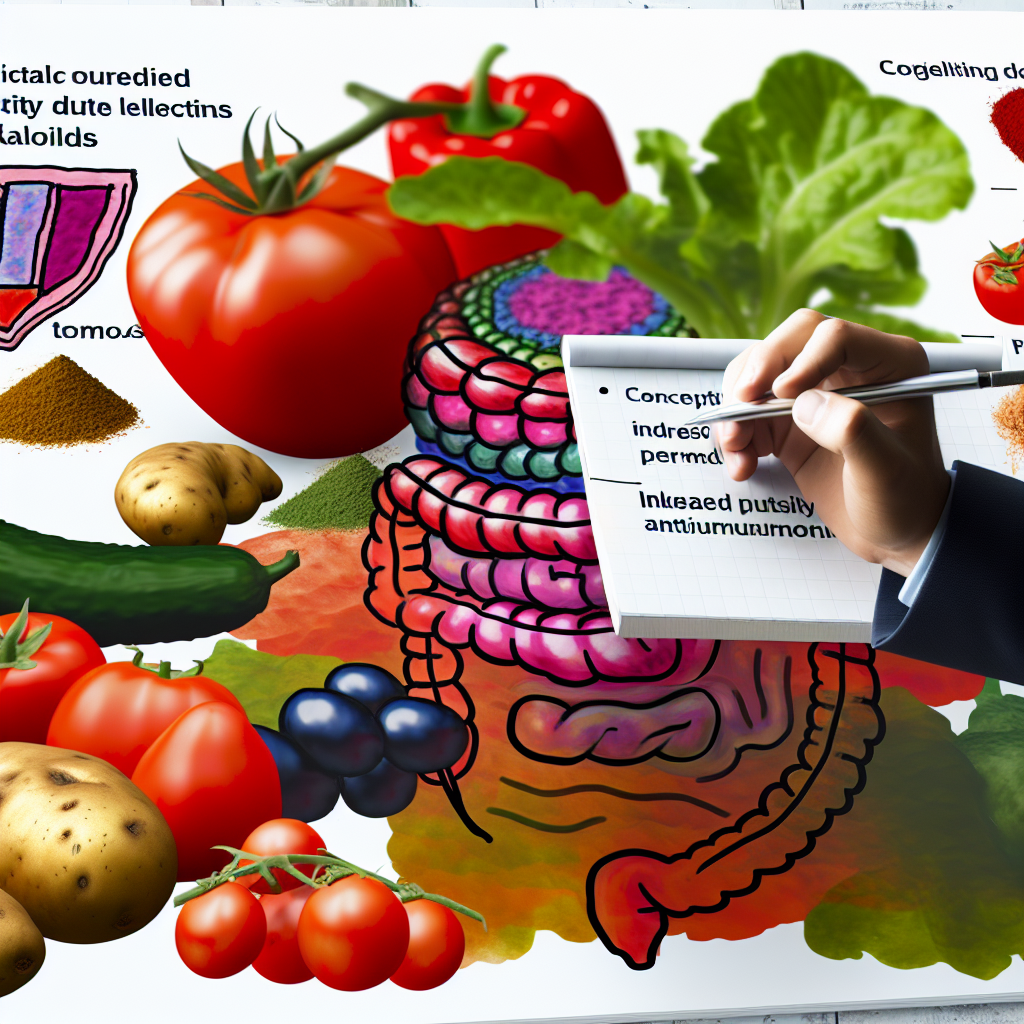
In the realm of gut health, understanding the impact of dietary components on intestinal permeability is crucial, especially for those seeking natural or herbal remedies. Among various dietary elements, nightshades—a family of plants that includes tomatoes, potatoes, eggplants, and peppers—have gained attention due to their potential impact on gut health. This is mainly due to the presence of naturally occurring compounds known as lectins and alkaloids. Nightshade sensitivity, often undiagnosed or misclassified as other digestive problems, can result in a less-than-optimal gut environment. This sensitivity revolves around two main components found in these plants: lectins and alkaloids, which can affect the mucosal lining of the intestines and perhaps lead to increased intestinal permeability—often referred to as “leaky gut.”
Lectins are proteins that can bind to cell membranes, and while they are found in many plants, the type and amount present in nightshades have raised concerns. These proteins are believed to interact with the intestinal barrier directly. Some propose that in susceptible individuals, high lectin activity might contribute to the loosening of the tight junctions between cells that line the gut. This could result in undigested food particles and toxins entering the bloodstream, triggering immune responses, and systemic inflammation, a condition commonly known as leaky gut syndrome.
Alkaloids, another compound found in nightshades, act as the plant’s natural defense mechanisms against predators. While beneficial to the plant, these alkaloids can be problematic for some humans. Solanine in potatoes and tomatine in tomatoes, for example, can disrupt gut integrity, particularly when consumed in large quantities. Symptoms such as joint pain, digestive distress, and inflammation are often reported among those with heightened sensitivity.
Acknowledging this connection between nightshades, lectins, alkaloids, and gut health is essential for practitioners and patients alike. Increasing research strives to unravel the extent to which these compounds affect people, particularly those with pre-existing gut issues. What remains evident is the critical importance of personalized diets. Understanding how nightshade vegetables impact your unique biology can empower better nutritional choices and improve gut health outcomes.
Feature: Studies on Nightshades and Gut Health
The dialogue between nightshade consumption and intestinal permeability is recognized in various medical and nutritional studies. A study published in the Journal of Nutritional Science suggests a correlation between certain dietary lectins and changes in gut permeability. The study focused on rodents fed with high-lectin diets, observing increased permeability in the intestinal lining. While animal studies cannot be directly equated to human responses, they provide a foundational understanding of potential interactions.
Another important aspect is the effect of alkaloids on gut health. Solanine and chaconine, prevalent in potatoes, have been studied for their health impacts. A study cited in Food and Chemical Toxicology reviewed alkaloid consumption in humans and emphasized caution in individuals sensitive to these compounds. Alkaloids’ ability to irritate the gut lining was noted, with recommendations for those sensitive to consume these foods in moderation.
Furthermore, researchers continue to explore the effects of nightshades on autoimmune conditions. A study featured in the Autoimmunity Review journal discussed the possible exacerbative role that nightshades might play in conditions like rheumatoid arthritis and inflammatory bowel disease. Researchers theorized that alkaloids could prompt inflammatory responses in predisposed individuals, albeit calling for more comprehensive human studies.
Personalized diets are increasingly valued; the role of genetic differences in digesting nightshade alkaloids and lectins unveils why some individuals experience adverse reactions while others do not. Current nutritional genomics studies are investigating these genetic factors, suggesting that genetic tests might one day guide dietary choices related to nightshades and optimize gut health.
Conclusion
The intricate relationship between nightshade sensitivity and intestinal permeability highlights the need for personalized approaches to diet, particularly for those struggling with digestive issues. By understanding the roles that lectins and alkaloids play in gut health, individuals can make informed decisions about their consumption of these foods. While further studies are warranted to fully elucidate these dynamics, current research supports the notion of mindfulness and moderation in nightshade intake, especially for those with predisposing sensitivities. Achieving optimal gut health is a step closer as we continue to explore the depths of dietary implications and their profound effects on the body.
Concise Summary:
Nightshades like tomatoes and potatoes contain lectins and alkaloids impacting gut health, potentially causing leaky gut syndrome in sensitive individuals. Lectins bind to intestinal cell membranes, possibly loosening tight junctions, allowing toxins into the bloodstream. Alkaloids, such as solanine, can disrupt gut integrity and spark immune responses. Research, including studies from the Journal of Nutritional Science and Food and Chemical Toxicology, highlights these effects, emphasizing personalized diets based on individual sensitivities and genetic differences. Achieving optimal gut health involves understanding these dynamics and moderating nightshade consumption accordingly.