Circadian Lighting for Gut Health: Optimizing Light Exposure to Support Digestive Rhythms and Melatonin Production
Our bodies function like precision clocks, governed by intricate circadian rhythms that regulate myriad biological processes. Among these is the digestive system, which is intricately connected to our body’s internal clock. One aspect that can significantly impact these rhythms is light exposure. The concept of circadian lighting explores how light influences our body’s natural cycles, including digestion, by affecting melatonin production, a hormone crucial for regulating sleep and digestive health.
Understanding Circadian Rhythms and Gut Health
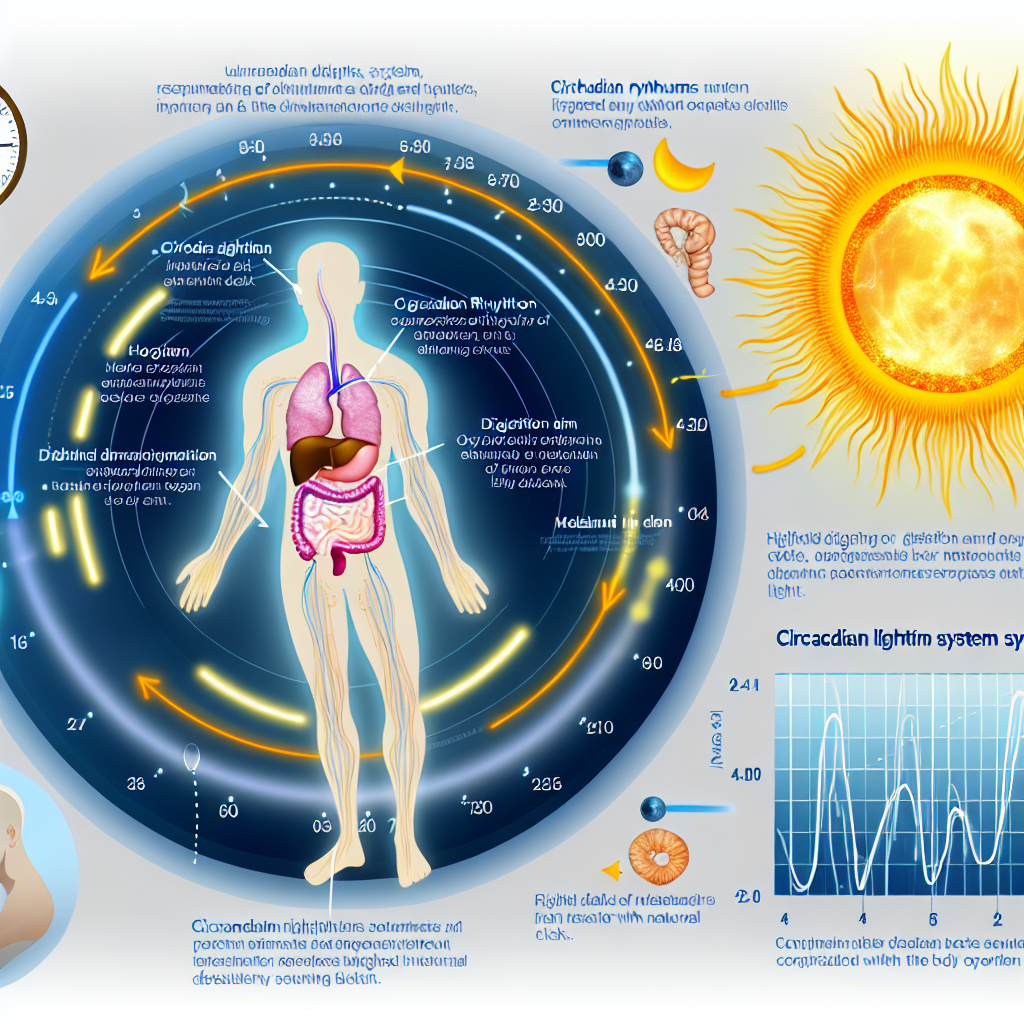
Circadian rhythms are naturally occurring 24-hour cycles that influence physiological processes, including digestion. At the heart of these rhythms is melatonin, a hormone produced by the pineal gland in response to darkness. Melatonin is primarily known for regulating sleep-wake cycles, but it also plays a substantial role in gut health. It helps modulate gut motility, enzyme secretions, and nutrient absorption. Disruptions in melatonin production, whether due to inadequate sleep, irregular light exposure, or stress, can lead to digestive disorders and reduced overall gut health.
Impact of Artificial Light on Health
In recent years, attention has shifted toward how artificial lighting environments impact our health. Many of us are exposed to artificial lighting late into the evening, often excessively bright and unnatural, which can confuse our internal clocks and suppress melatonin production. This, in turn, can disturb sleep patterns and digestive rhythms, contributing to conditions such as irritable bowel syndrome (IBS) and other gastrointestinal issues.
What are Circadian Lighting Systems?
Circadian lighting systems are designed to mimic natural light patterns, promoting better alignment of our internal clocks with environmental cues. These systems adjust the intensity and color temperature of lighting throughout the day, resembling natural changes from sunrise to sunset. The morning light is bright and cool, boosting alertness and energy; afternoon light is neutral, supporting steady productivity; and evening light is warm and dim, encouraging relaxation and melatonin production.
By adopting circadian lighting, individuals can improve their overall health, particularly their gut health, by optimizing melatonin production and supporting digestive rhythms. The potential benefits extend beyond mere comfort, offering a natural, non-invasive approach to fostering a stable digestive system while enhancing overall well-being.
Research Highlights
Research has underscored the critical role of melatonin in digestive health. A study published in [*Endocrine Journal*](https://www.jstage.jst.go.jp/article/endocrj/) highlights how melatonin regulates gastrointestinal motility and functions as a potent free radical scavenger in the gut. The research further notes its beneficial effects on intestinal mucosal integrity, emphasizing that melatonin can control secretion activities that influence digestion, absorption, and gut flora balance.
Medical literature from the [*European Journal of Gastroenterology & Hepatology*](https://www.ejgh.com/) elaborates on the broad therapeutic potential of melatonin. This study suggests that by maintaining optimal melatonin levels through controlled light exposure, individuals may prevent or alleviate symptoms of functional gastrointestinal disorders such as IBS. Moreover, it discusses how melatonin’s role in maintaining the circadian cycle is significant for optimizing the metabolic actions of the digestive system.
The impact of lighting environments on human health is something even recognized by the lighting industry. The [*Journal of Environmental Health Perspectives*](https://ehp.niehs.nih.gov/) explores how circadian lighting can mitigate the adverse effects of artificial light exposure, particularly at night. This aligns with findings from the [*Journal of Circadian Rhythms*](https://circadianrhythms.biomedcentral.com/), which discuss how strategic light exposure mirrors the sun’s cycle, reinforcing natural rhythms, thus advocating for lighting solutions that consider health impacts.
Furthermore, a growing body of evidence, outlined in a review in [*Frontiers in Psychology*](https://www.frontiersin.org/journals/psychology), suggests that improving circadian lighting can have profound implications for gut-brain axis functionality. This review emphasizes interdisciplinary studies showcasing how the synchronization of circadian rhythms through controlled light exposure can beneficially affect both mental (mind) and physical (gut) health outcomes.
Conclusion
The intersection between lighting and gut health represents a promising frontier in holistic health practices. By adopting circadian lighting strategies, individuals have the opportunity to enhance melatonin production and support digestive health naturally. Knowing that light can influence our circadian rhythms should inspire consideration of lighting environments as part of a comprehensive approach to wellness. Adapting to natural light patterns, whether through practical lifestyle changes or innovative lighting systems, offers an attainable method to promote gut health. As research in this area continues to develop, one thing becomes abundantly clear: optimizing light exposure is a vital, natural component in the quest for digestive health.
Concise Summary
Understanding how circadian lighting affects melatonin production and digestive rhythms can significantly enhance gut health. Natural light patterns influence our body’s internal clocks, affecting processes like gut motility and nutrient absorption. Artificial light exposure, especially at night, can disrupt these rhythms, leading to conditions like IBS. Circadian lighting systems aim to replicate natural light, supporting health by following the sun’s cycle. Multiple studies illustrate the benefits of this approach; for instance, melatonin’s role in regulating gut function underscores the need for controlled environment lighting. Enhanced light exposure practices can act as a non-invasive wellness strategy.