The Forgotten Variable in Gut Healing: Why Lymph Flow May Matter More Than Probiotics
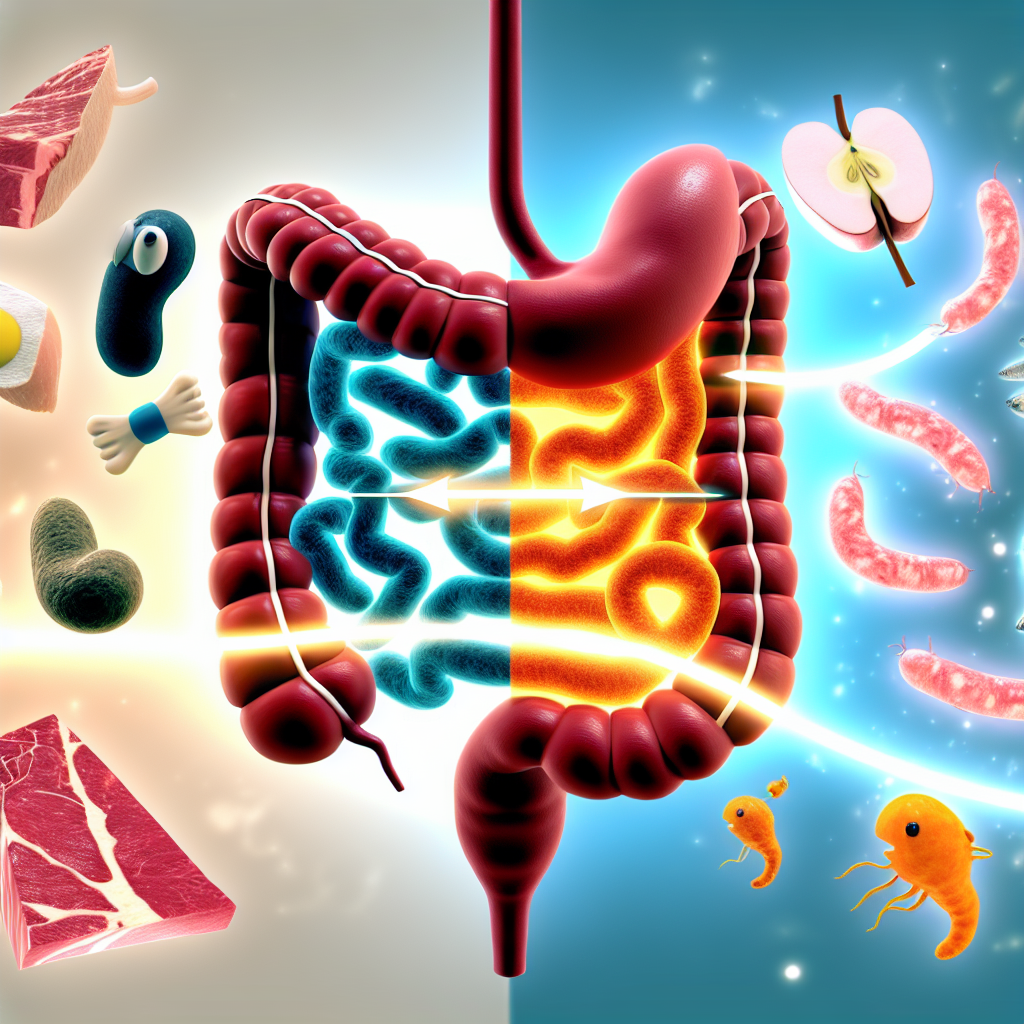
The pursuit of optimal gut health has captivated the interest of both healthcare professionals and wellness enthusiasts. With a growing understanding that a healthy gut contributes significantly to overall health, it’s no surprise that probiotics have become a household name. Probiotics are lauded for their ability to improve gut flora, curb digestive issues, and support immune function. Yet, even as the benefits of these friendly bacteria are celebrated, an essential player in gut health often remains overshadowed: the lymphatic system.
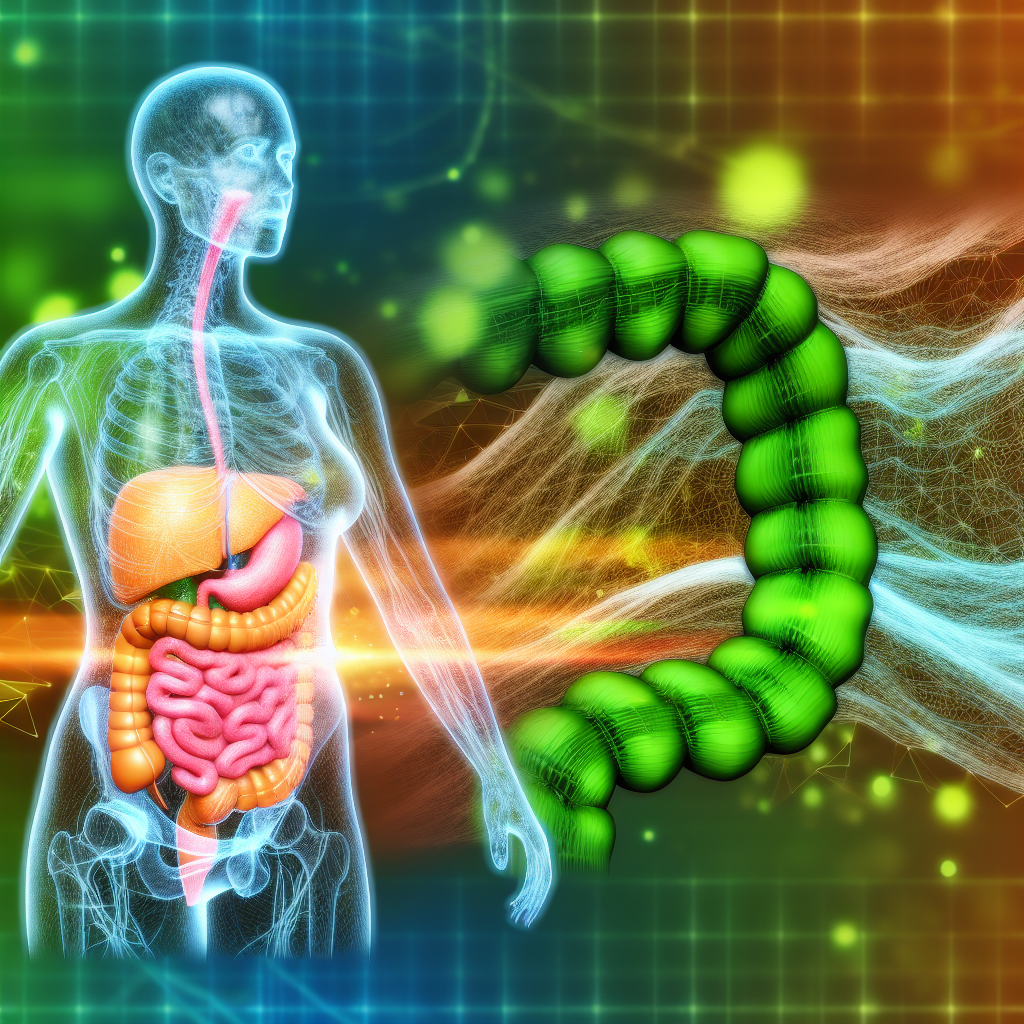
The lymphatic system is an extensive network running parallel to our circulatory system, vital in managing fluid levels in the body, filtering out toxins, and fortifying the immune response. Within the realm of gut health, the lymphatic system’s role is crucial. The gut-associated lymphoid tissue (GALT), part of the lymphatic system, houses approximately 70% of the body’s immune cells. This is a staggering percentage, emphasizing its significance in combating pathogens and maintaining immune homeostasis. However, the fascinating interplay between lymphatic flow and gut health does not receive as much attention as probiotics.
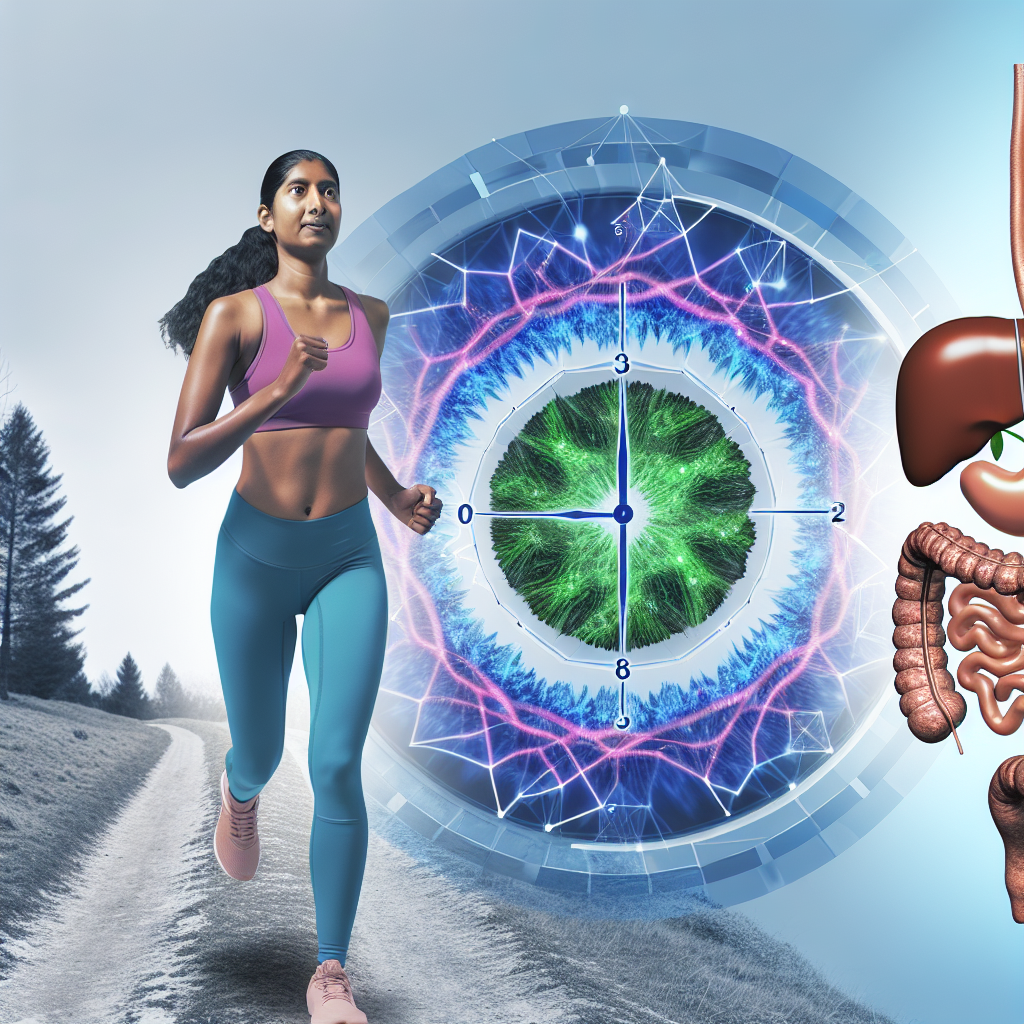
Lymph flow influences gut inflammation levels, affects the transport and absorption of nutrients, and facilitates the removal of waste products from the digestive tract. Unlike the circulatory system, the lymphatic system lacks a central pump like the heart, relying on muscle movement, breathing, and gravity to keep lymph fluid moving. This opens pathways to natural methods that improve lymph flow, which in turn supports gut health.
Emerging research suggests that restricted lymphatic flow can escalate digestive issues such as bloating, IBS, and even contribute to more severe gut-related disorders. An impaired lymphatic system may hinder efficient nutrient absorption, leading to deficiencies and gut dysbiosis—a condition probiotics alone may not rectify. Therefore, while supplementing with probiotics can introduce beneficial bacteria into the gut ecosystem, addressing lymphatic flow may offer a more comprehensive approach to gut health.
Features: The Science Behind Lymph Flow in Gut Health
Recent studies have begun to shed light on the indispensable role of the lymphatic system in maintaining gut health. For instance, a 2021 study published in Nature Reviews Immunology explored the lymphatic system’s influence on the gut-microbiome-immune axis. The researchers emphasized that lymph flow is vital for transporting immune cells to the gut, aiding in the detection and neutralization of harmful bacteria or viruses.
Furthermore, a study by researchers at Stony Brook University found that impaired lymphatic drainage in the mesentery—the tissue connecting intestines to the abdominal wall—can exacerbate inflammatory bowel disease (IBD). The research demonstrated that improved lymph flow could help reduce inflammation, potentially paving the way for new therapeutic interventions.
Additional insights from the Journal of Clinical Investigation revealed that lymphatic function is integral to lipid metabolism within the gut. Proper lymphatic activity ensures that dietary fats and fat-soluble nutrients are efficiently absorbed, highlighting how a compromise in lymph flow can lead to nutritional imbalances that probiotics alone might not rectify.
Given these findings, therapies aimed at enhancing lymph flow—through methods such as massage, specific yoga poses, and hydration—have been found to alleviate gut symptoms. A study published in the Journal of Traditional and Complementary Medicine affirmed that practices like lymphatic drainage massage can decrease bloating and discomfort among IBS sufferers, supporting the notion that these approaches have merit in a comprehensive gut health plan.
Conclusion
As our understanding of gut health evolves, so too must our approach to maintaining it. While probiotics have a justifiably essential role in bolstering beneficial gut bacteria, integrating strategies that enhance lymph flow could provide a more robust framework for gut health. The lymphatic system’s influence on immune function, nutrient absorption, and waste elimination demonstrates that its role is far from negligible. By fostering awareness and utilizing natural techniques to improve lymphatic function, individuals may uncover a pivotal, yet often overlooked, component in their journey to optimal gut health. Remember, while probiotics are a piece of the puzzle, enhancing lymph flow could be the missing link you’ve been searching for.
Concise Summary:
The pursuit of gut health often overlooks the critical role of the lymphatic system. With 70% of immune cells residing in the gut-associated lymphoid tissue, proper lymph flow is crucial for nutrient absorption, reducing inflammation, and toxin removal. Research suggests that impaired lymph flow may worsen gut issues like IBS and inflammatory bowel disease. While probiotics improve gut flora, integrating methods to enhance lymph flow, such as massage, yoga, and hydration, can provide a holistic approach to gut health. Addressing lymph flow could be the missing piece in achieving optimal digestive wellness.