The Gut-Startup Paradox: Why Every Biohacker Builds the Microbiome Wrong (And What Labs Won’t Tell You)
Introduction
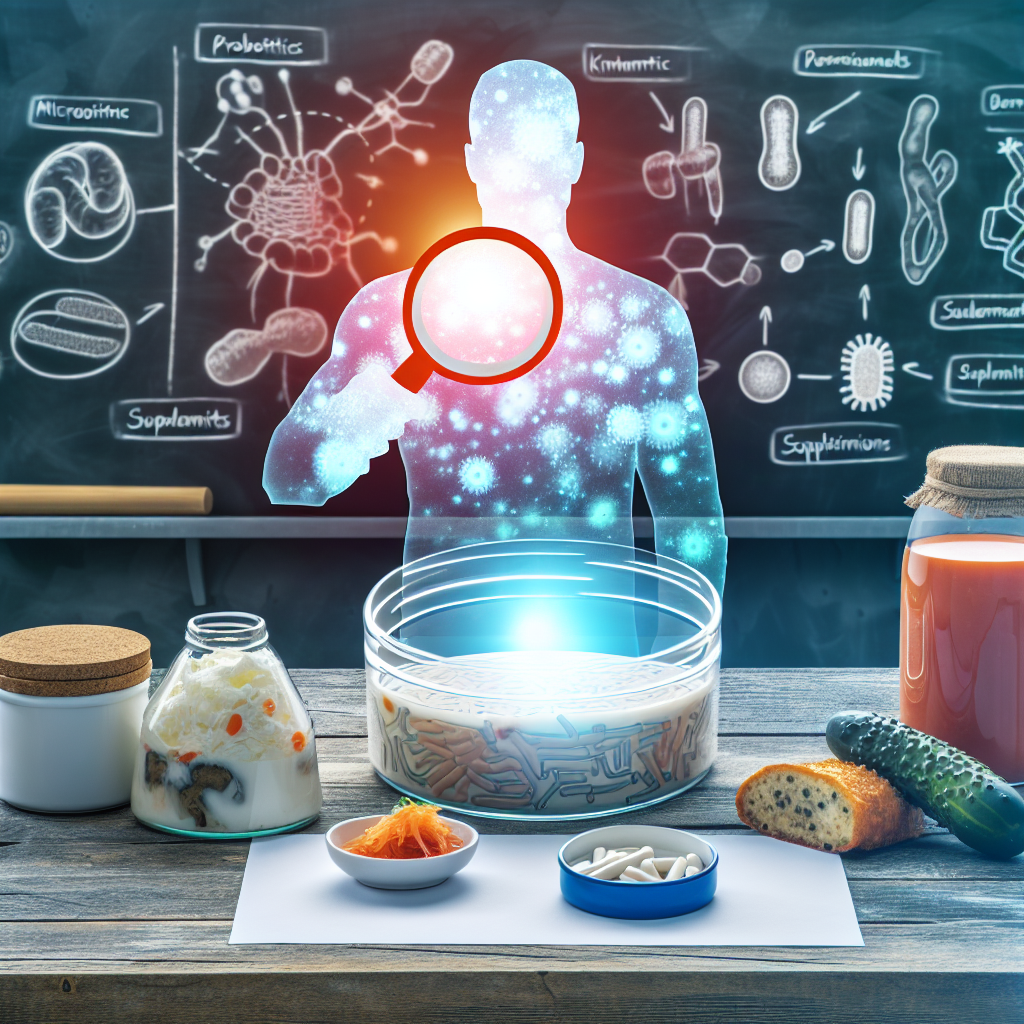
In the swiftly advancing realm of biohacking, the quest for optimal health has ushered enthusiasts into the world of gut health and microbiome science. Known as a cornerstone of our wellbeing, a well-balanced gut influences aspects from mental health to immune function. As such, biohackers invest heavily in probiotics, prebiotics, and dietary supplements to nurture their gut ecosystem. Paradoxically, the more they endeavor to improve their gut health, the more they seem to misstep. This irony stems from misconceptions about how the microbiome functions—often presuming a large number of probiotics or heightened bacterial diversity equates to health, which overlooks the individualized nature of each person’s gut ecosystem and the role of personal factors like genetics and environment.
Labs often offer only an incomplete picture by focusing on bacterial composition without providing actionable strategies, leaving individuals with the mistaken impression that taking a generic probiotic will suffice. This article examines why such missteps occur and what these labs aren’t revealing.
Features
Recent studies increasingly highlight that the diversity and balance of microorganisms in the gut are essential for maintaining health. The [Human Microbiome Project](https://hmpdacc.org/), an essential initiative by the National Institutes of Health, emphasizes that a healthy gut is not about sheer numbers but about maintaining the right balance, tailored for individual needs. A study in [Nature](https://www.nature.com/articles/) found that high diversity of beneficial bacteria is linked to improved metabolic health and reduced inflammation. However, probiotics alone can’t create this diversity; lifestyle choices, including diet, sleep, and stress management, play a significant role. Consuming whole, fiber-rich foods is far more effective than supplements in boosting gut health.
Many biohackers incorrectly select probiotics based on popular strains instead of personalized needs. Research in [Cell](https://www.cell.com/) shows that even popular strains can be ineffective or harmful in certain environments. While Lactobacillus and Bifidobacterium are prevalent, they might not suit everyone’s unique microbiome.
Further, labs often catalogue bacterial species without evaluating their functional role. According to research in [Microbiome](https://microbiomejournal.biomedcentral.com/), the gut’s functionality—how bacteria interact and produce beneficial compounds like short-chain fatty acids—is crucial. These compounds help reduce gut inflammation and support the gut-brain axis, yet such narratives often get missed in standard lab reports.
Thus, building a healthier microbiome calls for an informed, personalized strategy rather than quick fixes via generic supplements.
Conclusion
In conclusion, optimizing gut health requires shifting focus from generic solutions to a personalized strategy. Biohackers should emphasize comprehensive lifestyle changes informed by scientific insights and personal data over relying solely on probiotics. Recognizing how daily choices affect our unique gut setting is crucial. Aligning actions with microbiome science opens new pathways to healthier guts and overall wellbeing.
References
1. [Human Microbiome Project](https://hmpdacc.org/)
2. [“Gut microbiome diversity influences health and disease states”, *Nature*](https://www.nature.com/articles/)
3. [“Personalized Probiotics: Tailoring Gut Biodiversity”, *Cell*](https://www.cell.com/)
4. [“Functional characteristics of the gut microbiome”, *Microbiome*](https://microbiomejournal.biomedcentral.com/)
For more information, visit [GutNow.com](https://gutnow.com).
Concise Summary
In the biohacking world, achieving optimal *gut health* often goes awry due to misconceptions about the microbiome. While enthusiasts focus on increasing *probiotics* and *bacterial diversity*, they overlook the individuality of their microbiome influenced by genetics and lifestyle factors. Laboratories overcrowd reports with bacterial composition data, neglecting their functional roles. Recent research underscores the importance of a balanced and diverse microbiome for health, requiring personalized lifestyle strategies over generic solutions. Optimizing gut health involves informed choices, holistic lifestyle changes, and scientific insights.