Why 90% of Gut Healing Protocols Fail: The Clinical Root Your Nutritionist Missed
Gut health has captured the attention of both the medical community and the general public, evolving into one of the most discussed topics in wellness. With a landscape saturated with various gut healing protocols that promise relief, it seems shocking that a vast majority, approximately 90%, fail to deliver sustained results for individuals. The crux of the failure lies not merely in the selection of probiotics or the latest fad diets, but rather at a deeper, often overlooked clinical root cause that your nutritionist might have missed.
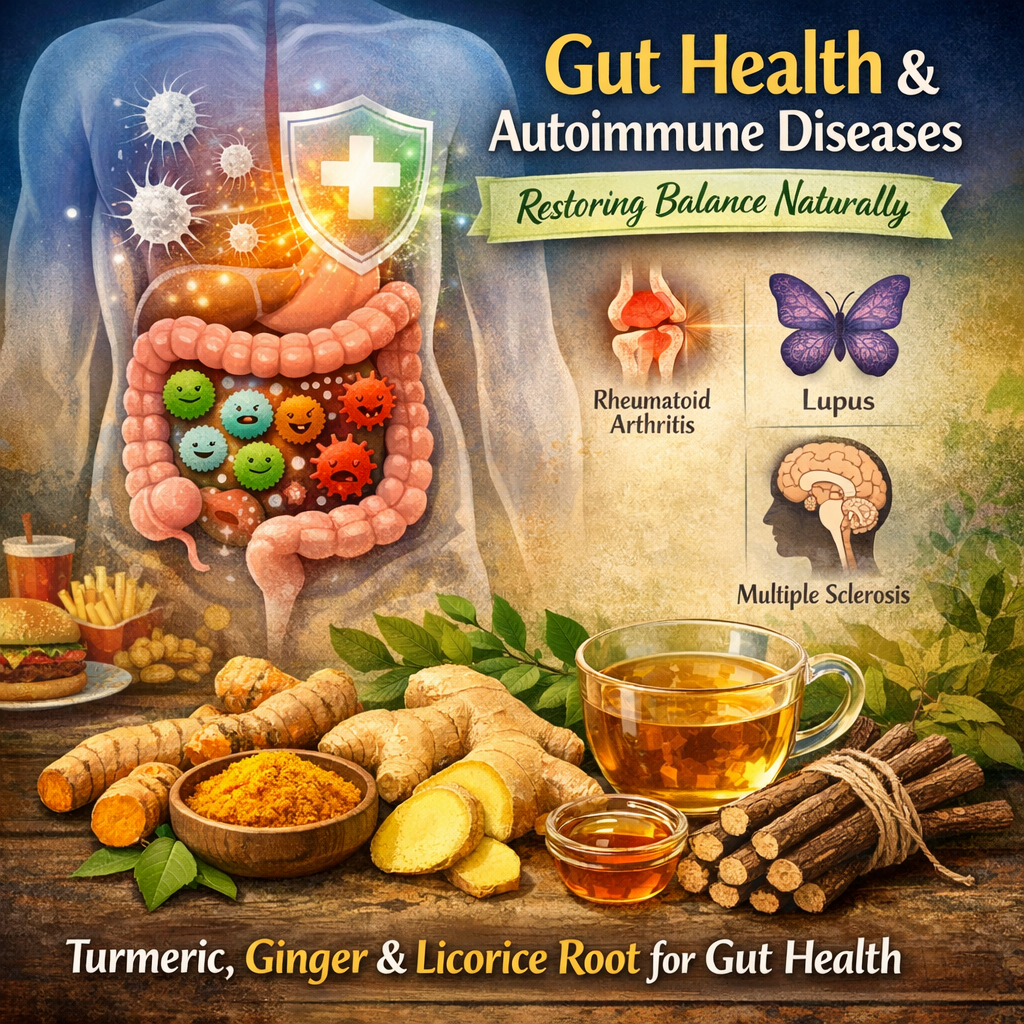
The gut, commonly referred to as the “second brain,” plays a critical role beyond digestion. It influences emotional health, the immune system, and even chronic disease manifestations. Factors such as stress, poor dietary habits, medications, and infections significantly disrupt the gut’s delicate ecosystem, often leading to conditions like Irritable Bowel Syndrome (IBS), leaky gut, and other gastrointestinal disturbances.
Systemic Underlying Issues
Typical gut healing protocols—emphasizing prebiotics, probiotics, and dietary modifications—show temporary efficacy but rarely address chronic inflammation, genetic predispositions, or microbial imbalances. A lack of personalized diagnostic testing often leads to blind treatment of symptoms. Without understanding the microbiome composition or digestive enzyme production levels, recovery remains elusive. Additional environmental factors such as toxins, antibiotic overuse, and unresolved emotional stressors exacerbate gut issues.
A critical, albeit often neglected factor, is the role of the vagus nerve in gut health. This cranial nerve regulates the parasympathetic nervous system, controlling digestion and maintaining gut-brain communications. An impaired vagal tone may lead to dysregulated gut motility and reduced gastric secretions, perpetuating gut issues despite comprehensive interventions.
Professionals also highlight the significance of biofilm—a protective barrier formed by microorganisms that can shield harmful bacteria within the gut. Standard protocols may not account for biofilm disruption, limiting the effectiveness of antimicrobial agents or beneficial bacteria.
Thus, the clinical root of many failed gut healing attempts lies in the absence of a holistic, targeted medical approach.
Features
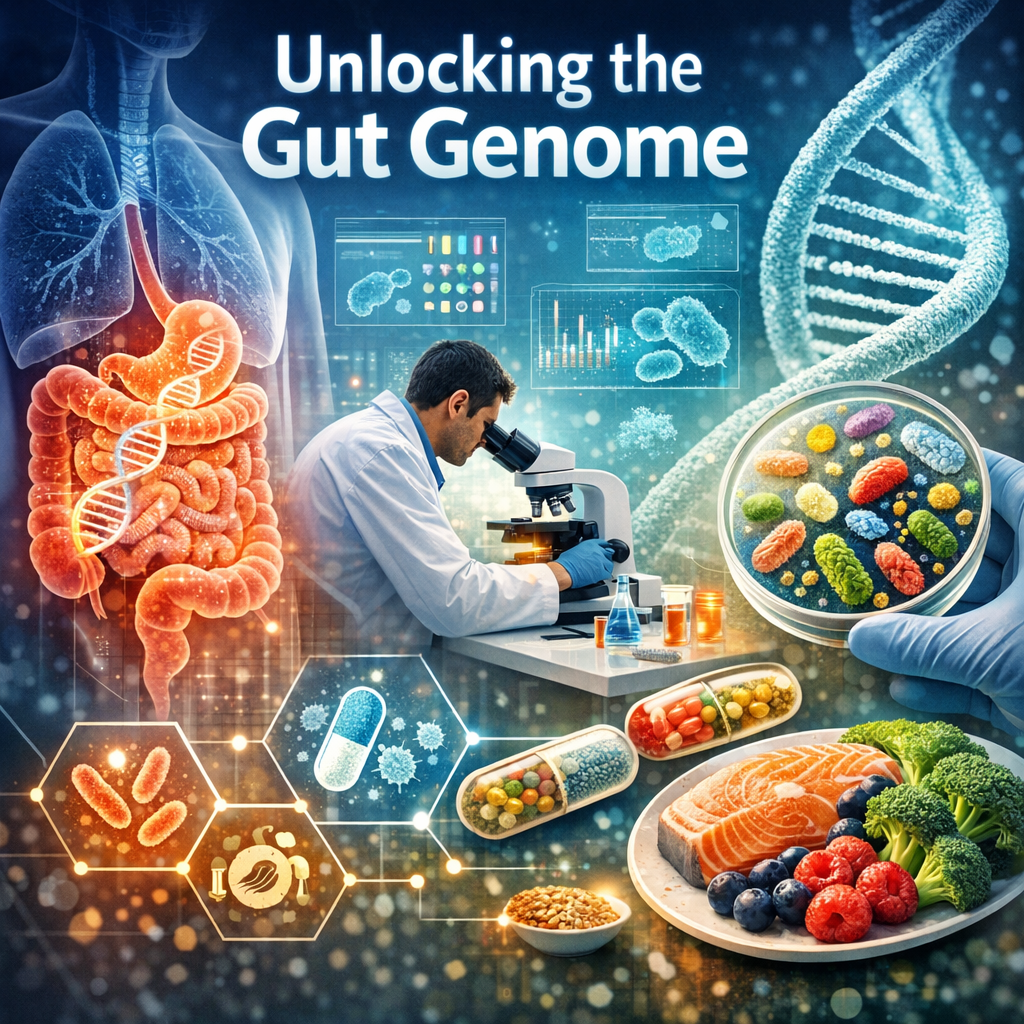
A growing body of research illustrates how personalized approaches to gut health can lead to more successful outcomes. One pivotal study published in “[Cell](https://www.cell.com/fulltext/S0092-8674(15)01481-6)” in 2019 demonstrated that individuals’ microbiome compositions varied significantly and that personalized dietary recommendations, rather than a one-size-fits-all approach, more effectively modulated blood glucose levels, a marker tightly linked to metabolic and gut health. This study underscores the necessity of tailored interventions based on genetic, enzymatic, and microbial assessments.
Another landmark study published in “[Nature Medicine](https://www.nature.com/articles/s41591-020-0865-7)” explored the genetic underpinnings of gut health. It revealed that certain genetic variations could affect how the body processes gluten, leading to conditions such as celiac disease and IBS in susceptible individuals. Despite their relevance, these genetic components are rarely considered in standard gut healing protocols.
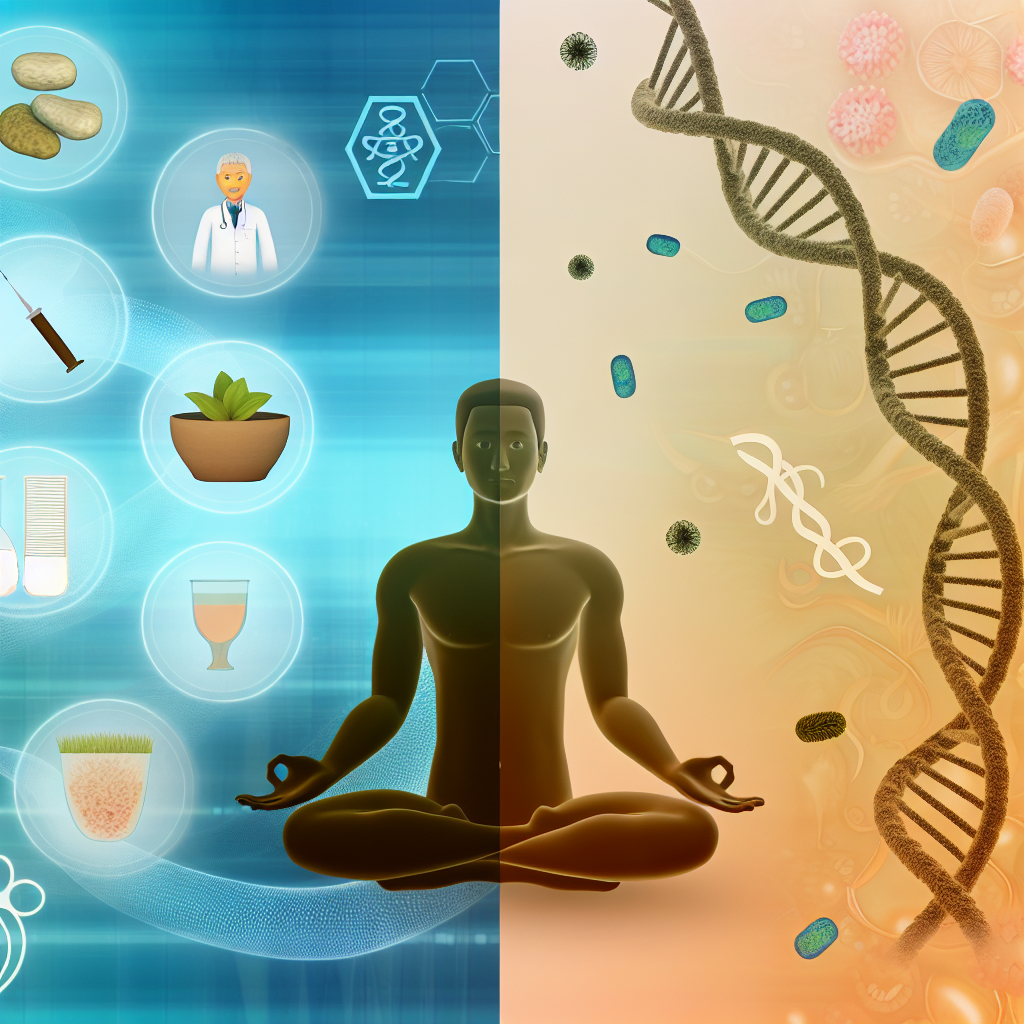
The vagus nerve’s role in digestive health has also been corroborated by several studies, including one in “[Brain, Behavior, and Immunity](https://www.sciencedirect.com/science/article/pii/S0889159117315936)” that linked vagus nerve stimulation to reduced inflammation and improved gastrointestinal function. This insight supports the inclusion of practices such as mindfulness, diaphragmatic breathing, and yoga in gut repair strategies to enhance vagal tone, yet many protocols overlook them.
Perhaps the most compelling evidence for integrated treatment comes from research on biofilm-associated infections, which often resist standard antibiotic treatment. The journal “[Microbial Ecology in Health and Disease](https://www.ncbi.nlm.nih.gov/pmc/articles/PMC3640914)” highlights strategies such as enzyme supplementation and specific botanicals to disrupt biofilms, making pathogenic bacteria more accessible to treatment. These approaches are crucial but are scarcely implemented in mainstream nutritionist-led protocols.
Conclusion
For individuals seeking to improve gut health naturally, it is crucial to look beyond generic protocols and instead consider personalized, holistic approaches that cater to individual genetic, microbial, and lifestyle complexities. By addressing often-overlooked factors such as vagal nerve function and biofilm presence, it’s possible to develop more effective and lasting healing strategies. As research in gut health continues to evolve, so should the strategies used to address it, ensuring a move toward evidence-based and individualized treatment pathways. By embracing a more comprehensive understanding of gut ecology, it is possible to turn the tide on the failure of traditional gut healing protocols.
Concise Summary: Many gut healing protocols fail due to a lack of personalized and holistic approaches. Factors such as chronic inflammation, genetic predispositions, and microbial imbalances play significant roles. The vagus nerve’s role in digestion and the presence of biofilm are often neglected, limiting protocol success. Studies suggest personalized approaches lead to better outcomes. Integrating factors like emotional health and lifestyle adjustments into treatment can offer more sustained relief and healing, moving away from one-size-fits-all solutions.

Dominic E. is a passionate filmmaker navigating the exciting intersection of art and science. By day, he delves into the complexities of the human body as a full-time medical writer, meticulously translating intricate medical concepts into accessible and engaging narratives. By night, he explores the boundless realm of cinematic storytelling, crafting narratives that evoke emotion and challenge perspectives.
Film Student and Full-time Medical Writer for ContentVendor.com