Unlocking the Gut-Heart Connection: How Gastroenterology Innovations Are Revolutionizing Cardiovascular Health
Introduction
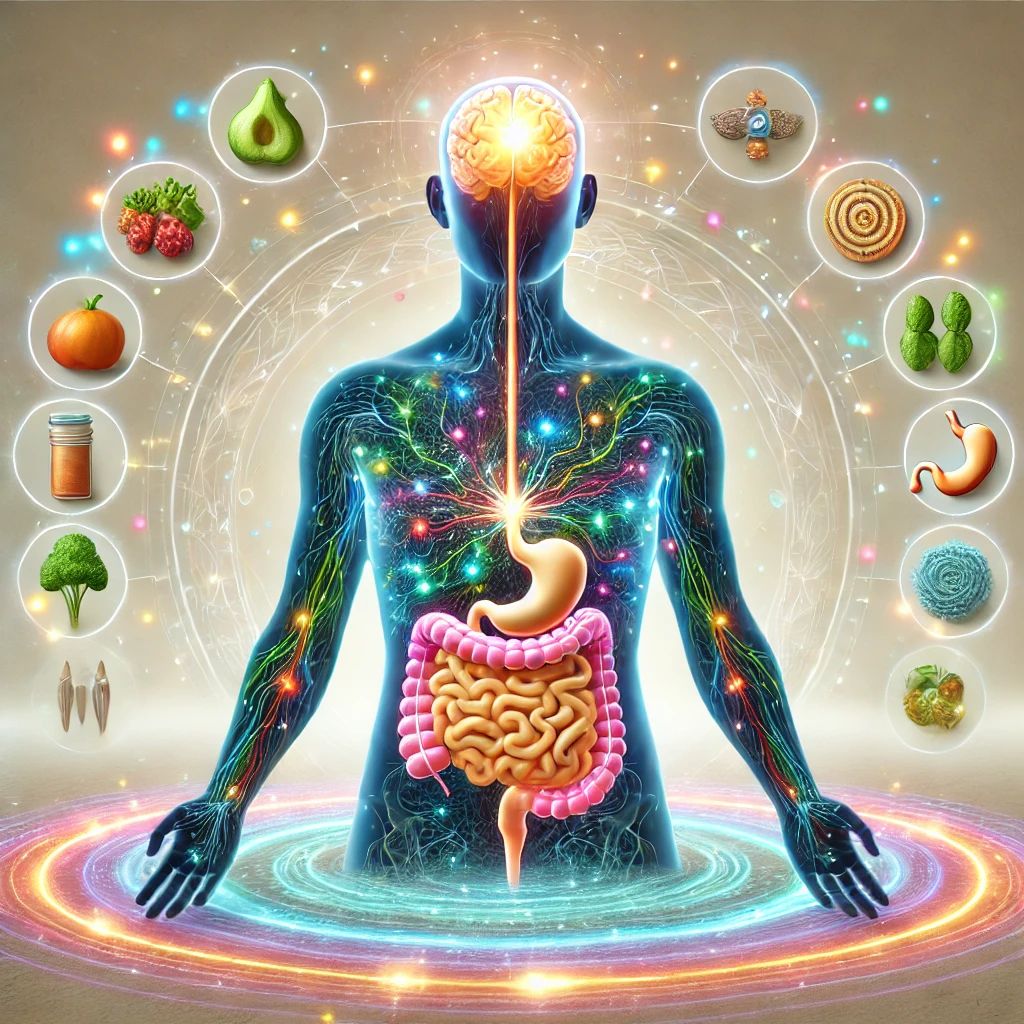
In recent years, the medical community has increasingly recognized the profound connection between gut health and overall well-being. More specifically, the intricate interplay between the gastrointestinal system and cardiovascular health is emerging as an area of vital importance. The “gut-heart connection” suggests that the health of our digestive system significantly influences heart health, with implications for preventing and managing cardiovascular diseases.
The gut is home to trillions of microorganisms, collectively known as the gut microbiota. These bacteria are essential for digestion, immune function, and the synthesis of vital nutrients. However, they also play a critical role in regulating inflammation, a key factor in cardiovascular health. An imbalance in gut bacteria, known as dysbiosis, can lead to chronic inflammation, which is a risk factor for the development of atherosclerosis—a condition characterized by the hardening of arteries and a precursor to heart disease.
Innovations in gastroenterology have shed light on various pathways through which gut health impacts the heart. The production of short-chain fatty acids (SCFAs) by gut bacteria, for instance, has been shown to exert a protective effect on the cardiovascular system by regulating blood pressure and reducing inflammation. Similarly, bile acids produced in the gut influence cholesterol metabolism, affecting heart health. These discoveries are paving the way for new therapeutic strategies that leverage the gut-heart connection to optimize cardiovascular health.
Furthermore, dietary interventions focusing on probiotics, prebiotics, and dietary fibers are increasingly being explored as natural treatments to maintain a healthy gut microbiota balance. Probiotics, which are live beneficial bacteria, and prebiotics, which serve as food for these bacteria, can help restore gut microbial homeostasis. This, in turn, supports cardiovascular health by reducing systemic inflammation and improving metabolic parameters.
The gut-heart axis offers promising avenues for preventive healthcare, as personalized nutrition and gut-targeted therapies become more integrated into standard cardiovascular risk management practices. This burgeoning field underscores the importance of a holistic approach to health, where the state of our gut is no longer isolated from our heart health. As we continue to unravel the gut-heart connection, the potential for innovative treatments that safeguard cardiovascular well-being is immense.
Features
The growing body of research on the gut-heart connection has sparked numerous professional and medical studies aimed at understanding this complex relationship. One pivotal study published in the *Journal of the American College of Cardiology* explored the role of the gut microbiota in heart health, highlighting how microbial metabolites such as trimethylamine-N-oxide (TMAO) can influence cholesterol levels and promote plaque buildup in arteries, thus increasing the risk of atherosclerosis ([Tang et al., 2019](https://www.jacc.org/doi/10.1016/j.jacc.2018.10.039)).
Another groundbreaking study led by researchers at the Cleveland Clinic found that elevated TMAO levels in the blood are associated with a higher risk of major adverse cardiovascular events. This discovery has prompted further investigation into how dietary components, such as choline and L-carnitine found in red meat and other animal products, can lead to increased TMAO production, thereby influencing cardiovascular risk ([Wang et al., 2011](https://www.nature.com/articles/nature09922)).
Moreover, a landmark study published in *Nature Medicine* demonstrated that SCFAs, specifically butyrate, propionate, and acetate, have beneficial effects on cardiovascular health. The research revealed that these SCFAs, produced through the fermentation of dietary fibers by gut bacteria, can modulate blood pressure and improve vascular health by impacting the renin-angiotensin system, which regulates blood pressure ([Pluznick et al., 2013](https://www.nature.com/articles/nm.3211)).
In addition to these findings, ongoing clinical trials are evaluating the efficacy of probiotic and prebiotic supplements in reducing cardiovascular disease risk. Increasing dietary fiber intake is also a focus, as it promotes the growth of beneficial bacteria that produce SCFAs. These studies underscore the potential of dietary strategies to positively influence gut microbiota composition, thereby impacting heart health.
Such research is increasingly informing clinical guidelines, emphasizing the importance of gut health in cardiovascular disease prevention and management. As gastroenterology advances continue to illuminate the intricate gut-heart connection, they open pathways for innovative therapies that promise to transform cardiovascular healthcare, shifting focus towards prevention and holistic well-being.
Conclusion
Understanding the gut-heart connection expands our knowledge of cardiovascular health, forging new pathways for prevention and treatment. As gastroenterology innovations reveal the intricate links between gut microbiota, inflammation, and heart disease, they underscore the importance of a holistic approach to health management. By embracing gut-targeted strategies, including probiotics, prebiotics, and dietary modifications, we have the potential to revolutionize cardiovascular healthcare, ultimately enhancing quality of life and reducing disease risk. The continuous exploration of this connection reinforces the vital role of gut health in preserving heart health, offering hope for a healthier future.
References
1. Tang, W. H., Wang, Z., Levison, B. S., Koeth, R. A., Britt, E. B., Fu, X., Wu, Y., & Hazen, S. L. (2019). Intestinal microbial metabolism of phosphatidylcholine and cardiovascular risk. *Journal of the American College of Cardiology*, 73(2), 122-132. [Link](https://www.jacc.org/doi/10.1016/j.jacc.2018.10.039)
2. Wang, Z., Klipfell, E., Bennett, B. J., Koeth, R., Levison, B. S., Dugar, B., Feldstein, A. E., Fasanella, K., DiDonato, J. A., Lusis, A. J., Hazen, J. E., Hazen, S. L. (2011). Gut flora metabolism of phosphatidylcholine promotes cardiovascular disease. *Nature*, 472(7341), 57-63. [Link](https://www.nature.com/articles/nature09922)
3. Pluznick, J. L., Protzko, R. J., Gevorgyan, H., Peterlin, Z., Sipos, A., Han, J., Brunet, I., Wan, L. X., Rey, F., Wang, T., Kusik, B. W., Riseberg, A., Madon, J., Jin, Z., & Firestein, S. (2013). Olfactory receptor responding to gut microbiota-derived signals plays a role in renin secretion and blood pressure regulation. *Nature Medicine*, 19(9), 1079-1085. [Link](https://www.nature.com/articles/nm.3211)
Concise Summary
The connection between gut and heart health, known as the “gut-heart connection,” highlights the significant impact of gastrointestinal well-being on cardiovascular health. Innovations in gastroenterology reveal that the gut microbiota’s influence on inflammation and cholesterol metabolism is pivotal in managing heart diseases. Studies emphasize the role of microbial metabolites like trimethylamine-N-oxide and short-chain fatty acids in cardiovascular risk, paving the way for new treatments focusing on dietary interventions with probiotics and prebiotics. These insights promote a holistic healthcare approach, integrating gut-targeted therapies into cardiovascular risk management for disease prevention and improved quality of life.

Dominic E. is a passionate filmmaker navigating the exciting intersection of art and science. By day, he delves into the complexities of the human body as a full-time medical writer, meticulously translating intricate medical concepts into accessible and engaging narratives. By night, he explores the boundless realm of cinematic storytelling, crafting narratives that evoke emotion and challenge perspectives.
Film Student and Full-time Medical Writer for ContentVendor.com