Certainly! Here’s a reformatted version of the provided text according to your instructions:
—
Functional Gastroenterology: Unraveling the Hidden Connection Between Gut Health and Genetic Expression – Are Your Genes Really to Blame for Digestive Disorders?
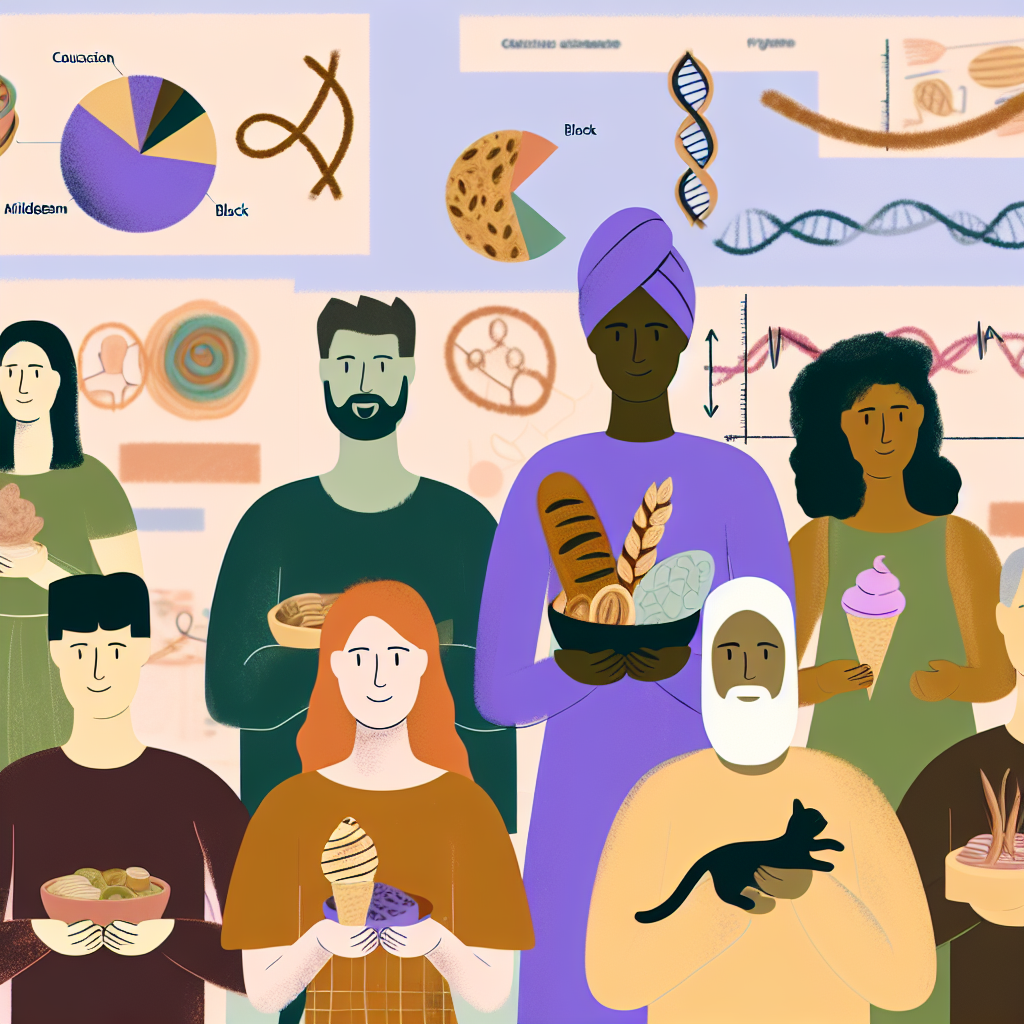
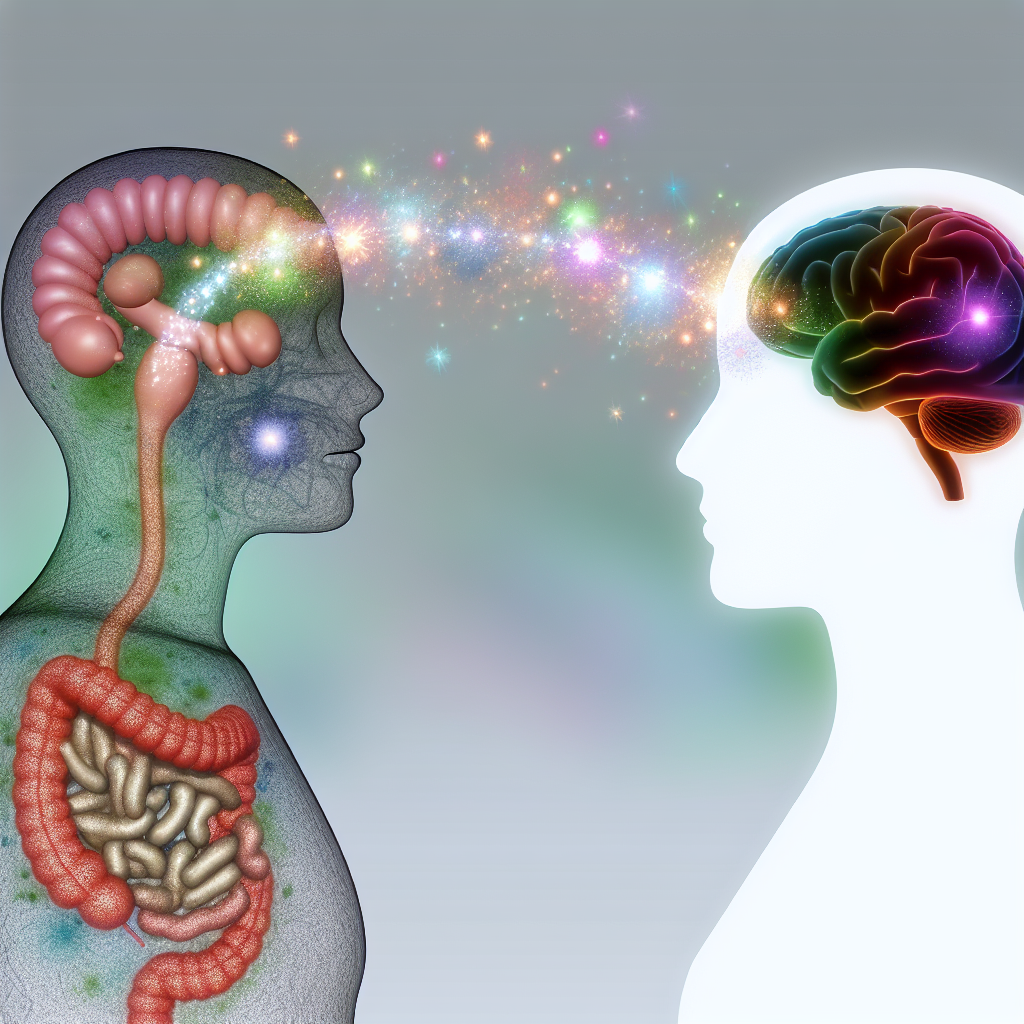
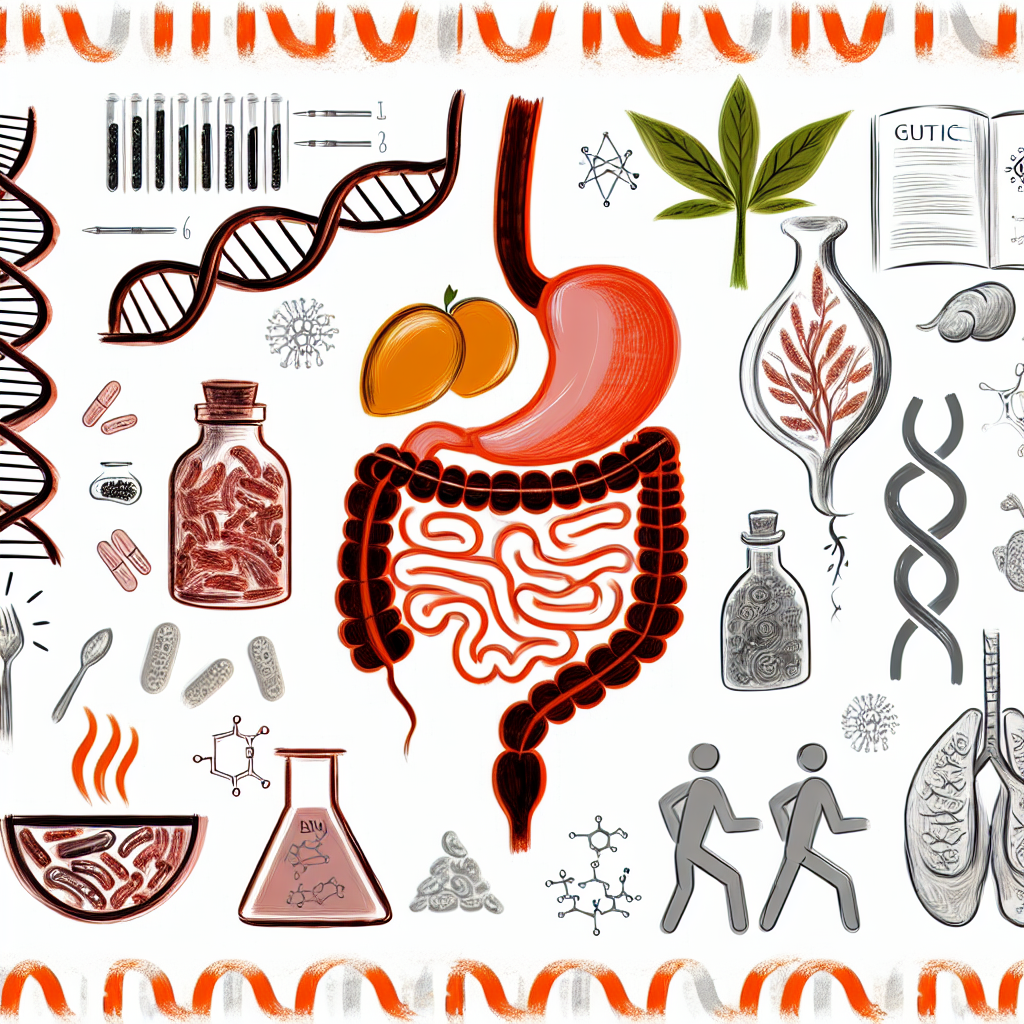
In recent years, the intricate relationship between our genes and gut health has become a focal point of scientific inquiry, leading to the emergence of the burgeoning field of functional gastroenterology. This discipline focuses on understanding the influence of our genetic makeup on the digestive system’s functioning and vice versa, how gut health impacts genetic expression. The longstanding question of whether our genes are truly responsible for digestive disorders or whether lifestyle and environmental factors play a more decisive role is edging closer to resolution as new findings continue to emerge.
Gut disorders such as irritable bowel syndrome (IBS), inflammatory bowel disease (IBD), and celiac disease have long been considered to have a genetic basis. While genetic predispositions indeed influence susceptibility to these conditions, they do not operate in isolation. Environmental factors like diet, stress, antibiotic use, and lifestyle choices significantly modulate the impact of genetic predispositions on gut health. This dynamic interplay implies that while genetic predispositions exist, our everyday choices and environmental exposures can mitigate or exacerbate these risks.
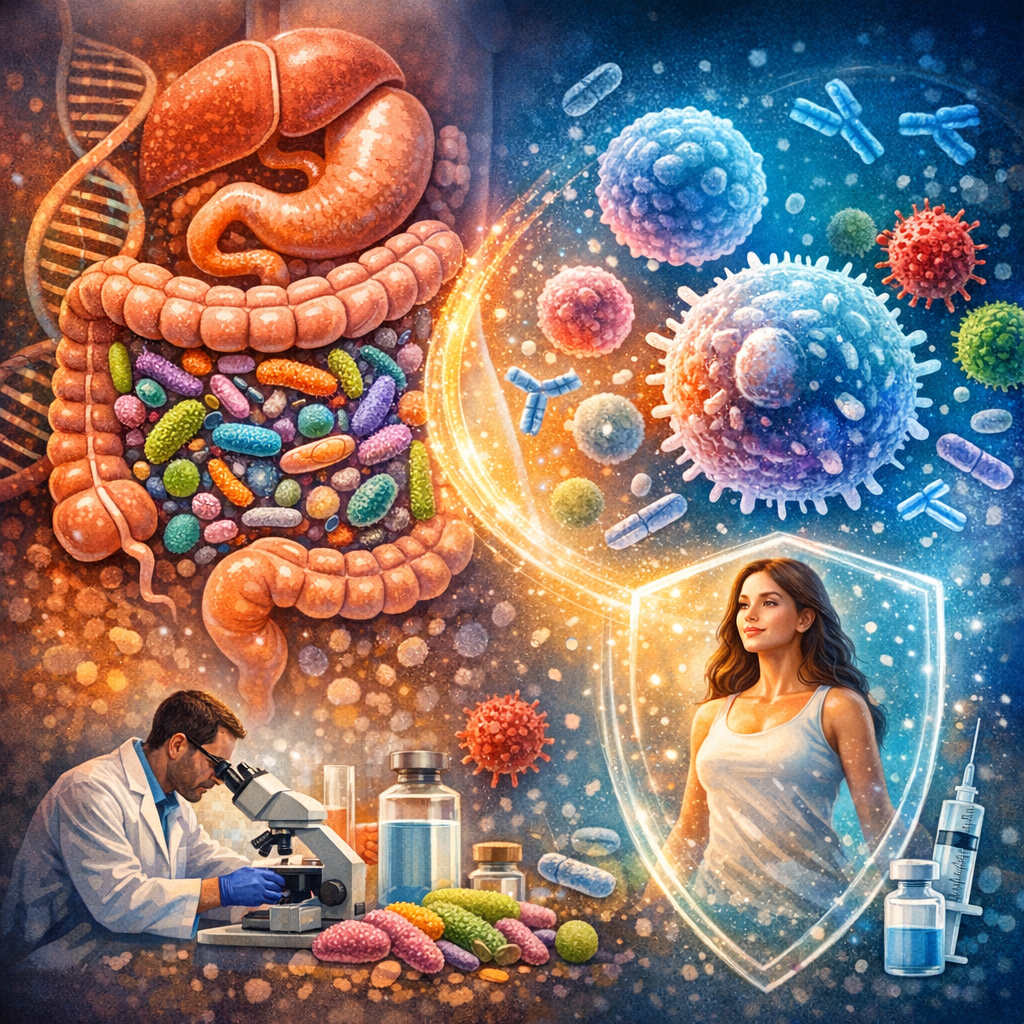
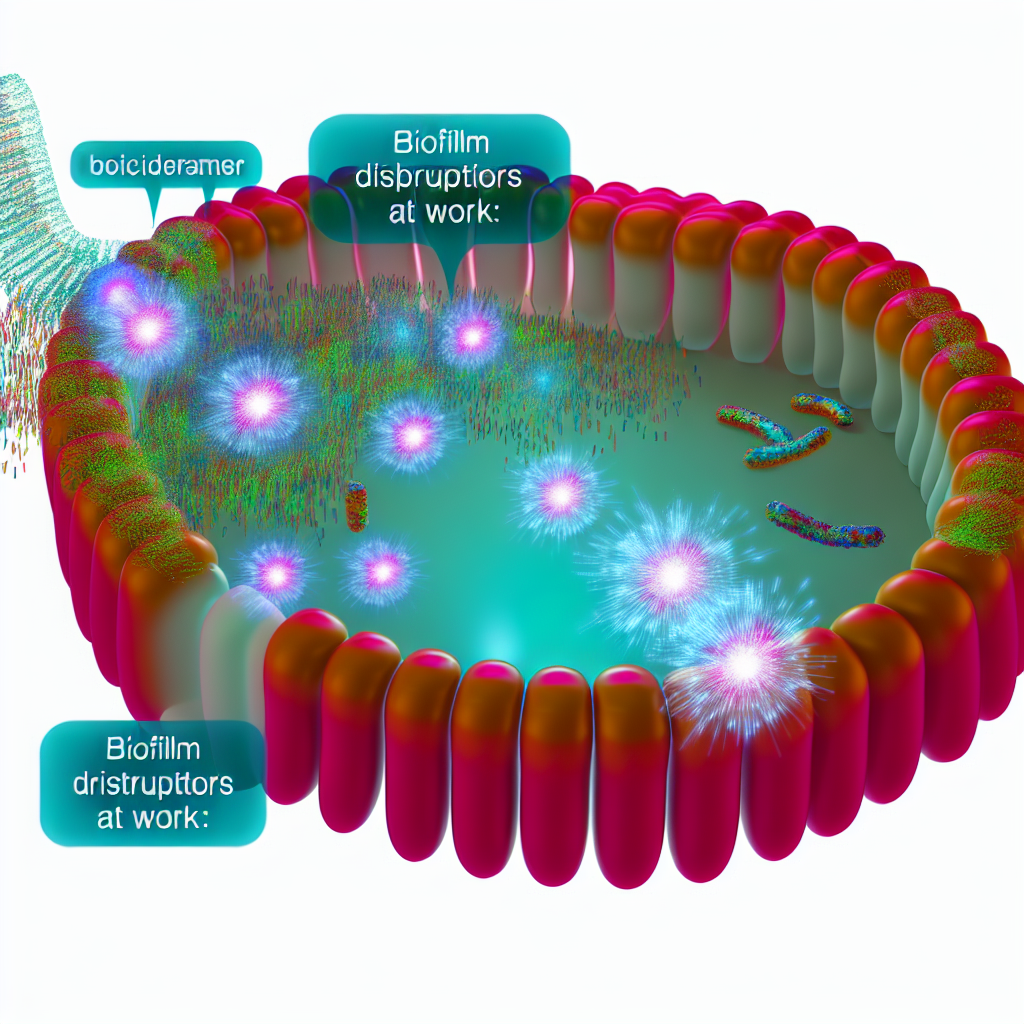
A major breakthrough in this domain is the concept of epigenetics, which examines how gene expression is modified by external factors without altering the DNA sequence. Epigenetic changes can activate or deactivate genes, influencing the production of proteins crucial for inflammation control, gut barrier function, and microbial metabolism. Gut microbiome, which houses trillions of microorganisms, is a pivotal player in this interaction, affecting our genetic material and influencing epigenetic mechanisms. A balanced and diverse microbiome supports healthy digestive processes and acts as a protective agent against many gut-related ailments.
Furthermore, probiotics, prebiotics, and herbal treatments are gaining prominence for their roles in optimizing gut health. Natural remedies aimed at bolstering a healthy gut environment can, in turn, influence genetic expression favorably. Hence, understanding these interconnections not only aids in recognizing if genes are responsible for digestive disorders but also empowers the use of natural interventions as preventive and therapeutic measures.
Features: Professional and Medical Studies
Recent studies have illuminated the complex interplay between genes and the gut environment. A study published in the journal [Nature Reviews Gastroenterology & Hepatology](https://www.nature.com/articles/nrgastro.2016.3) highlighted the role of gut microbiota in modulating host gene expression. It demonstrated that changes in the microbiome composition could lead to modifications in the host’s epigenetic landscape, impacting genes associated with immune responses and metabolic pathways. This underlines the microorganism’s ability to influence the genetic predisposition of host individuals toward diseases like IBD and IBS.
Further research from [Cell Metabolism](https://www.cell.com/cell-metabolism/abstract/S1550-4131(19)30005-X) demonstrated that specific probiotics could alter gene expression linked to chronic inflammation in the colon, providing symptom relief for IBS patients. This study underscores the potential for tailored probiotic formulations to target genetic pathways implicated in gut inflammation.
Another groundbreaking research published in [Gut Microbes](https://www.tandfonline.com/doi/full/10.1080/19490976.2020.1713444) explored the impact of a fiber-rich diet on gut health and genetic expression. It showed that dietary fibers promote the proliferation of beneficial bacteria, which, through their metabolic byproducts, activate anti-inflammatory genes. This finding paves the path for dietary strategies that can conclusively influence gene expression linked to gut disorders.
Moreover, a fascinating study in [Frontiers in Immunology](https://www.frontiersin.org/articles/10.3389/fimmu.2021.690234/full) revealed that traditional herbal treatments, long-used in various cultures, might exert their therapeutic effects by modulating gene expression. Substances such as curcumin and quercetin were found to modify epigenetic markers, reducing inflammation and thereby soothing the gut. These findings suggest a rich potential for developing integrative treatment plans incorporating herbal remedies.
These studies collectively support the notion that while genes contribute to gut disorders, environmental and lifestyle factors’ manipulation—potentially through natural means and diet—holds significant promise in managing and potentially reversing these conditions.
Conclusion
The realm of functional gastroenterology continues to unveil the profound complexities of the interplay between our genetic instruction and gut health. While our genetic makeup may predispose us to certain digestive disorders, research increasingly shows that gene expression is far from static. Environmental factors, especially those altered by our diet and lifestyle choices, play an essential role in shaping health outcomes. As research progresses in genetics, epigenetics, and microbiome science, individuals have the potential to take proactive steps toward better gut health. Embracing the synergy between natural remedies and modern science could offer transformative health benefits, mitigating genetic risks while optimizing digestive wellness.
References
1. [Nature Reviews Gastroenterology & Hepatology. “Gut Microbiota and Host Epigenetics.”](https://www.nature.com/articles/nrgastro.2016.3)
2. [Cell Metabolism. “Probiotics Shape Gene Expression in Colon Tissue.”](https://www.cell.com/cell-metabolism/abstract/S1550-4131(19)30005-X)
3. [Gut Microbes. “Fiber Intake and Microbial Metabolites: On a Path to Health.”](https://www.tandfonline.com/doi/full/10.1080/19490976.2020.1713444)
4. [Frontiers in Immunology. “Herbal Treatments in Modulating Host Gene Expression.”](https://www.frontiersin.org/articles/10.3389/fimmu.2021.690234/full)
Concise Summary
The field of functional gastroenterology explores the relationship between genetic expression and gut health. While genes may predispose individuals to disorders like IBS and IBD, environmental and lifestyle factors critically influence disease manifestation. Important studies indicate that activities such as altering diet, incorporating probiotics, and utilizing herbal remedies can impact gene expression and potentially manage digestive disorders. The microbiome plays a significant role in these processes, and understanding these interactions provides a pathway to integrating natural interventions to improve health outcomes.