Unlocking the Gastro-Code: Leveraging Epigenetic Insights for Personalized Gut-Healing Strategies
Introduction
The quest for optimal gut health is not merely a modern wellness trend but a fundamental aspect of holistic health. The gut, often referred to as the “second brain,” plays a pivotal role in our overall well-being, impacting not just digestion but also immunity, mood, and cognitive functions. As individuals become more health-conscious, there is a burgeoning interest in natural cures and herbal treatments that can boost gut health without the side effects of conventional medicine. But what if we could tailor these natural interventions based on a person’s unique genetic makeup? Enter the realm of epigenetics.
Epigenetics, the study of changes in gene expression that do not involve alterations to the underlying DNA sequence, offers intriguing possibilities for personalized medicine. Unlike genetic mutations, epigenetic modifications can be influenced by external factors such as diet, lifestyle, and environment. This means our choices can actively shape how our genes are expressed, providing a powerful avenue for personalized health strategies.
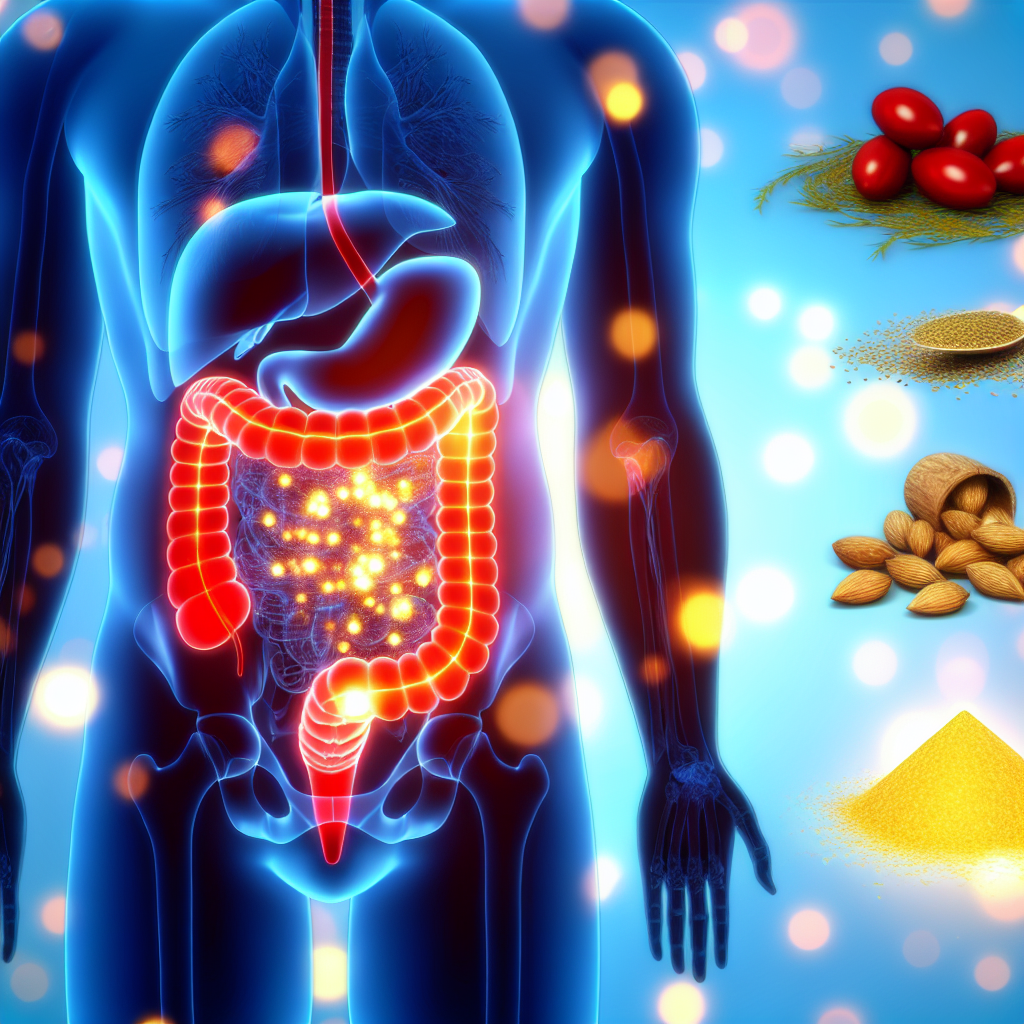
Recent advances in epigenetic research have highlighted its potential in gut health. Our gut microbiota, a community of trillions of microorganisms residing in the digestive tract, interacts with our genetic material in complex, dynamic ways. A harmonious balance of gut microbiota is essential for maintaining the integrity of the gut lining, enhancing nutrient absorption, and modulating the immune response. Disruptions in this balance can lead to gut-related disorders such as irritable bowel syndrome, inflammatory bowel disease, and leaky gut syndrome.
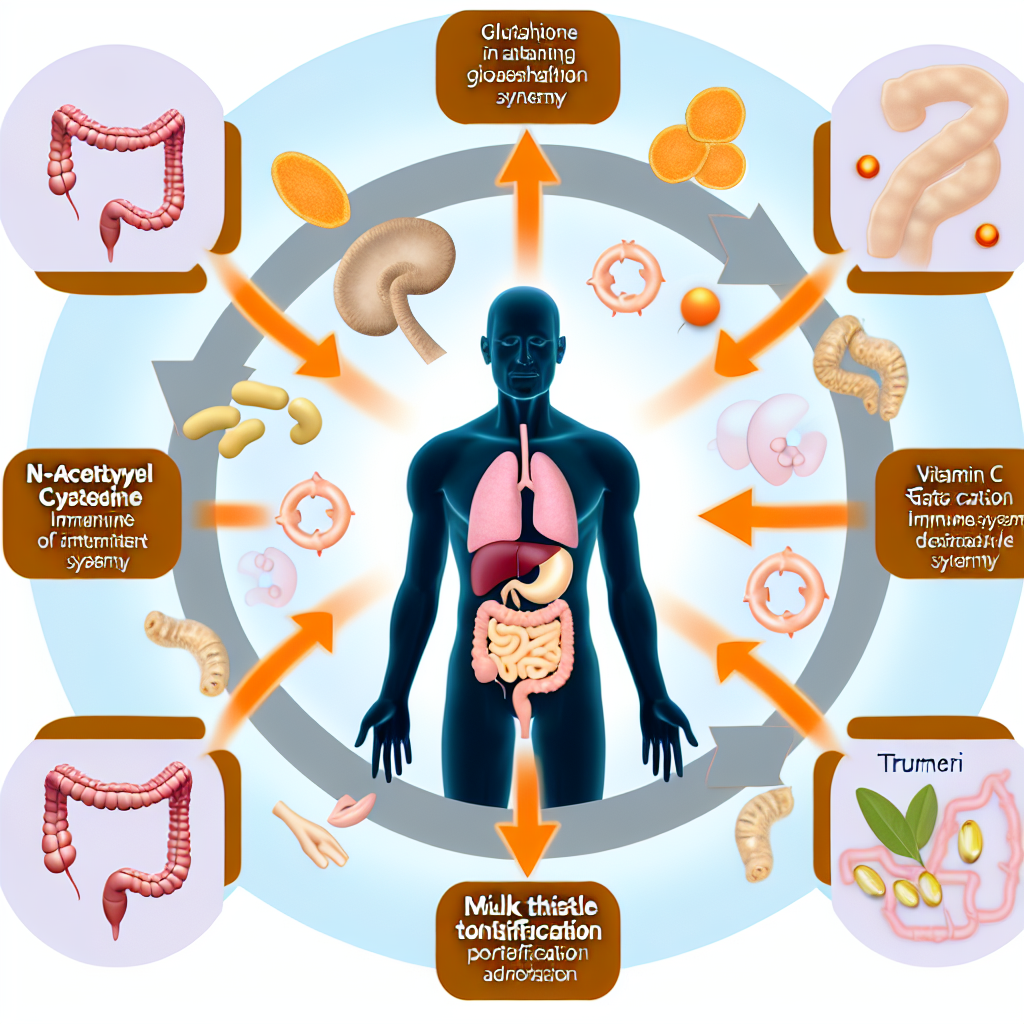
By understanding how specific lifestyle and dietary factors can influence one’s epigenetic landscape, we open up new opportunities for tailored gut-healing strategies. Natural remedies, particularly herbs known for their gut-supportive properties, can be utilized more effectively when coupled with epigenetic insights. Herbs like turmeric, ginger, and aloe vera are well-documented for their anti-inflammatory and gut-soothing benefits. When these are used in conjunction with a personalized approach based on epigenetic data, they hold the potential to enhance gut health profoundly.
Features
A growing body of professional and scientific research underscores the value of utilizing epigenetic insights for creating personalized gut-healing regimens. One pivotal study published in [Nature Communications](https://www.nature.com/articles/s41467-019-08485-8) explored how diet-induced epigenetic changes in the gut microbiome can significantly impact metabolic health outcomes. The study emphasized the role of specific dietary components in modulating gut microbiota through epigenetic mechanisms, thereby influencing systemic health.
In another study documented in the [Journal of Human Genetics](https://www.nature.com/articles/s10038-019-0670-4), researchers investigated the correlation between genetic variations and the efficacy of herbal treatments in managing gut-related disorders. The findings revealed that individuals with specific genetic markers responded better to certain herbs, suggesting that personalized herbal therapy could optimize therapeutic outcomes.
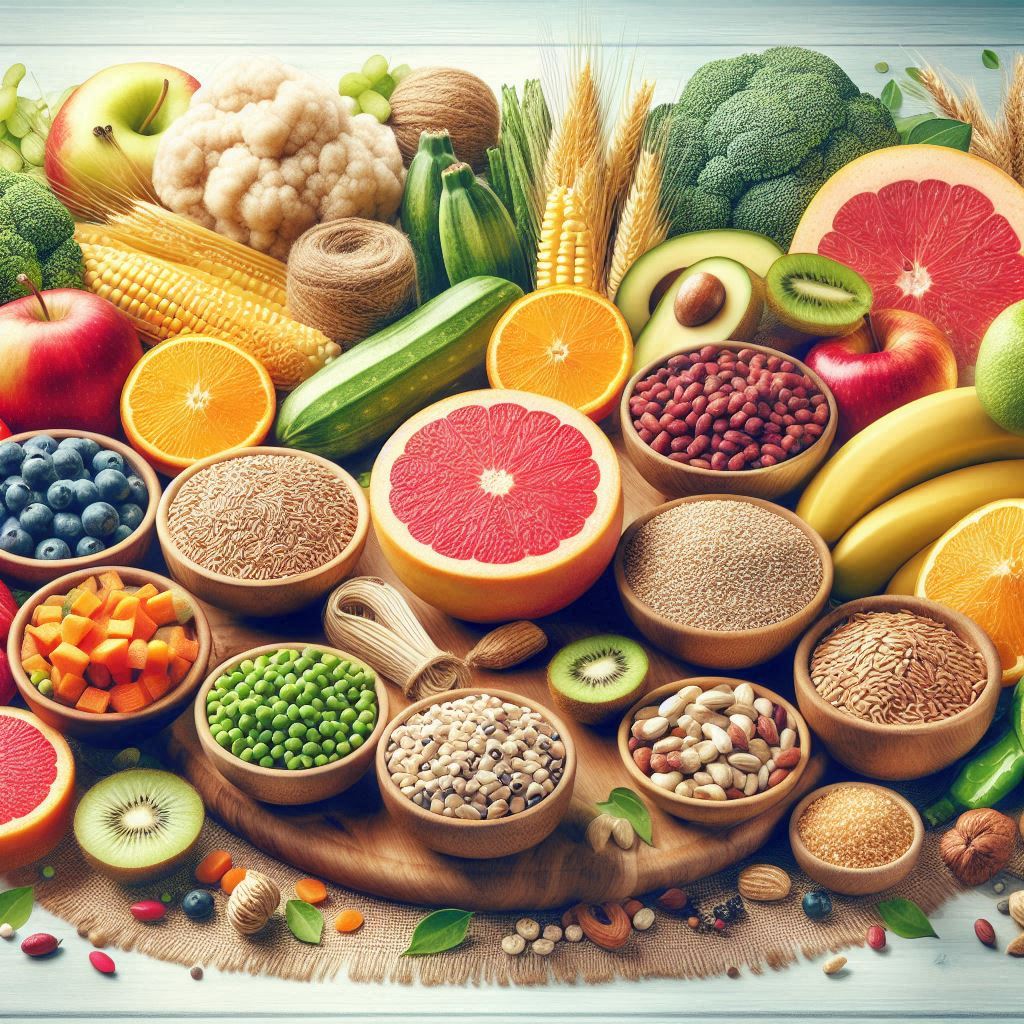
Moreover, a landmark trial in [Epigenomics](https://www.futuremedicine.com/doi/full/10.2217/epi-2019-022) demonstrated the potential of epigenetically-informed lifestyle interventions. The study involved participants adhering to a diet rich in prebiotics, known to modify gut microbiota composition and promote beneficial bacterial growth. Epigenetic analysis revealed positive changes in gene expression linked to immune regulation and gut barrier function.
These studies underscore the potential of integrating epigenetic insights into natural gut-healing approaches. By tailoring therapies based on an individual’s epigenetic profile, we can harness the power of nature’s remedies with renewed precision. This approach not only enhances therapeutic efficacy but also minimizes unwanted side effects, paving the way for more sustainable health solutions.
Conclusion
The intersection of epigenetics and gut health presents a promising frontier in personalized medicine. By leveraging epigenetic insights, we can craft natural, individualized gut-healing strategies that align with each person’s unique genetic blueprint. This heightens the potential for effective interventions and empowers individuals to take charge of their health through informed lifestyle choices. As research continues to unveil the intricacies of gene-environment interactions, the dream of personalized gut health management grows ever closer to reality, offering hope for those seeking a natural path to wellness.
Concise Summary:
Recent discoveries in epigenetics have revealed how environmental factors like diet can influence gene expression and gut health. By tailoring natural remedies, using herbs like turmeric and ginger, based on individual genetic profiles, it is possible to improve gut health more effectively. Studies have shown that diet-induced epigenetic changes enhance the composition of gut microbiota, impacting systemic health and reducing disorders such as leaky gut and irritable bowel syndrome. This personalized approach empowers individuals to choose lifestyle changes and natural therapies, leading to better therapeutic outcomes without the side effects of traditional medicine.