Breaking the Gut’s Operating Code: Unveiling New Synaptic Pathways for Optimized Digestion
Introduction
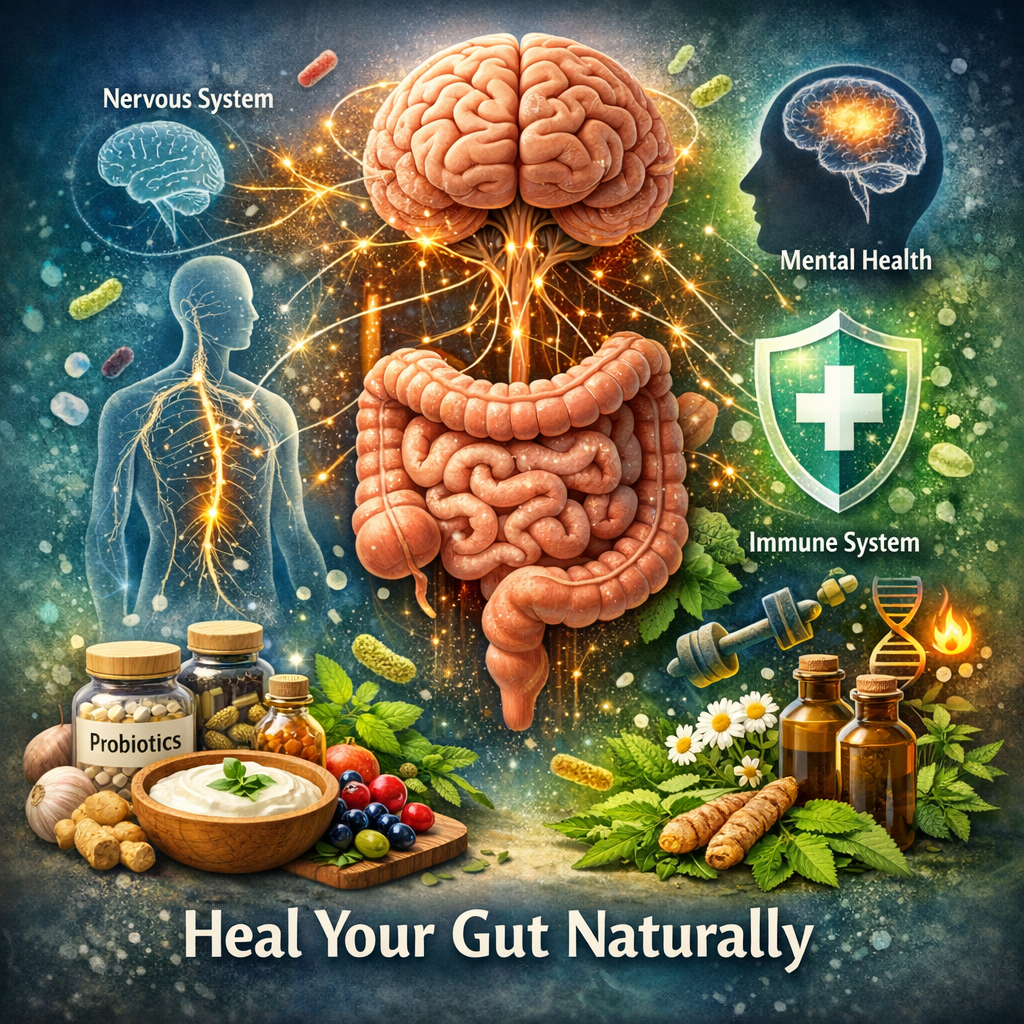
The gut, often called the “second brain,” is a complex and dynamic system crucial to digestion, immunity, and overall health. Recent research highlights the gut’s role as an active participant in a sophisticated dialogue with the brain and other body systems through intricate synaptic pathways. These pathways, part of the gut-brain axis, impact not just digestion but also mood and immune responses.
For centuries, natural remedies have been used to boost gut health. As modern medicine progresses, there’s growing interest in merging traditional practices with contemporary science to improve gut function. Herbs like ginger, peppermint, and chamomile are praised for addressing digestive issues, while probiotics and prebiotics are recognized for nurturing a healthy gut microbiome.
The interplay of these natural treatments and synaptic pathways points to new potential in digestive health. By exploring the influence of botanicals and dietary interventions on gut-brain communication, researchers are revealing new strategies for holistically managing digestive disorders. This not only highlights the importance of a balanced gut microbiome through diet and lifestyle but also suggests innovative ways to harness the gut’s operating code for better health outcomes.
This article delves into recent findings about these synaptic pathways and natural treatments, showing how the gut-brain axis can be modulated for optimal digestion. We will also discuss professional and medical studies supporting these insights, providing a comprehensive guide for those interested in natural approaches to gut health.
Features
Recent advancements in understanding the gut-brain axis emphasize the crucial role synaptic pathways play in digestive processes. A pivotal study published in [*Nature*](https://www.nature.com/articles/d41586-021-01069-9) elaborates on how the enteric nervous system (ENS), a “second brain,” coordinates with the central nervous system to manage digestive functions. This gut neuron network not only governs gastrointestinal activity but also modulates immunity, influencing overall well-being.
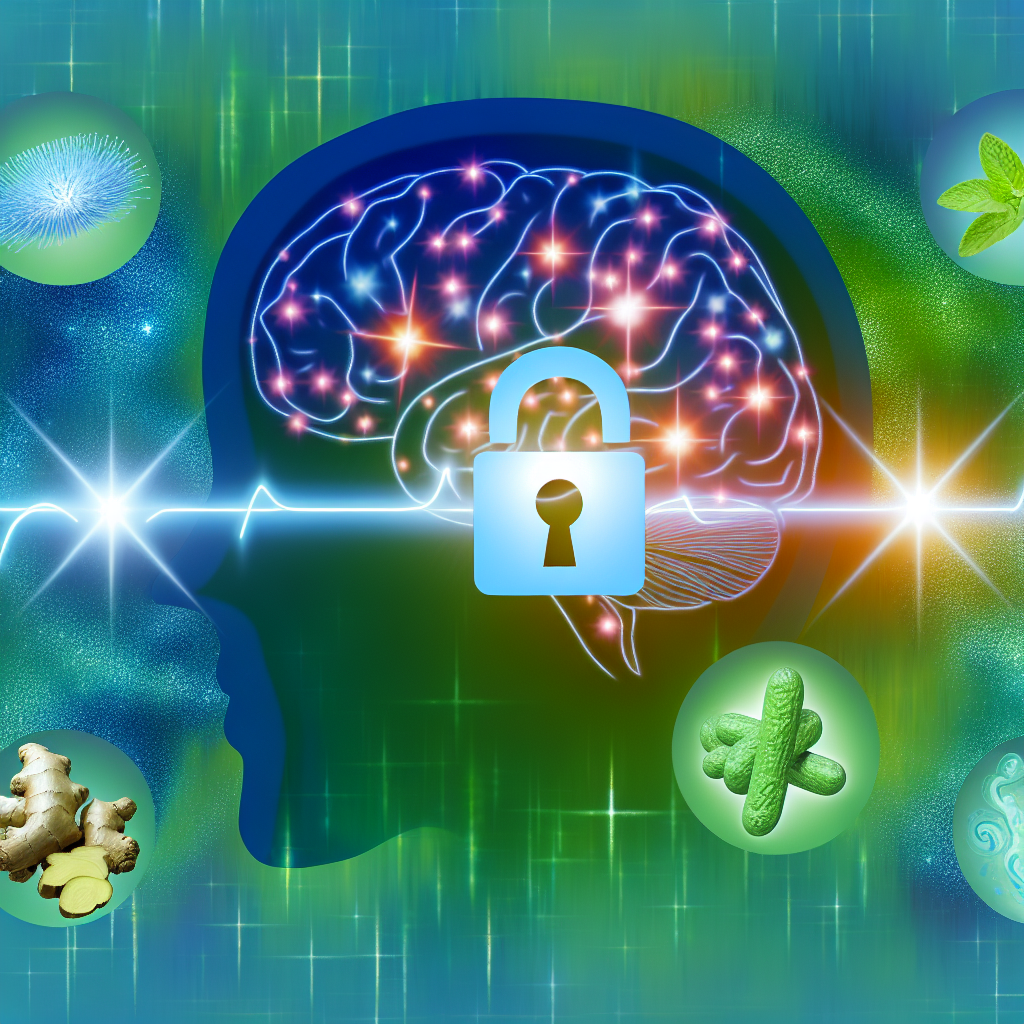
Research shows promising influence of natural compounds on these pathways. For example, a [study from *BioMed Central Gastroenterology*](https://bmcgastroenterol.biomedcentral.com/) discovered that ginger can modulate serotonin receptors in the gut, reducing inflammation and enhancing motility. Similarly, peppermint showcases antispasmodic effects by inhibiting calcium channels in the gastrointestinal tract, alleviating IBS symptoms ([Digestive Diseases and Sciences](https://link.springer.com/journal/10620)).
The gut microbiome’s influence on these synaptic pathways is critical. Probiotics have been extensively researched for their role in gut health, with findings indicating that certain strains can strengthen the gut barrier, produce neurotransmitters like GABA, and modulate immune responses ([Frontiers in Immunology](https://www.frontiersin.org/journals/immunology)). Prebiotics, dietary fibers that nurture beneficial bacteria, enhance this interaction by promoting the growth of gut-friendly microbes.
Herbal treatments, paired with dietary interventions like probiotic and prebiotic consumption, provide synergistic effects on gut health. By modulating gut-brain communication pathways, these natural approaches offer promising avenues for managing functional gut disorders, promoting overall health.
Conclusion
Deconstructing the gut’s operating code reveals the essential roles of diet, herbs, and lifestyle. Natural treatments, long recommended for their digestive benefits, are now understood to potentially modulate the gut-brain axis. By integrating these age-old remedies with modern science, individuals can foster a healthier gut environment and unlock pathways to optimal living. As research evolves, the promise of natural remedies and herbal treatments as key tools in digestive health becomes clearer.
Concise Summary
This article explores the recent discoveries about the gut-brain axis, highlighting its crucial role in digestion, mood, and immunity. By studying natural remedies like ginger and peppermint, coupled with probiotics and prebiotics, researchers aim to optimize gut-brain communication. Integrating these insights offers holistic strategies to manage digestive disorders and improve overall health. The emphasis on traditional and contemporary practices highlights diet and lifestyle’s importance in maintaining a balanced gut microbiome, promising innovative ways to enhance health outcomes and unlock the gut’s operating potential.