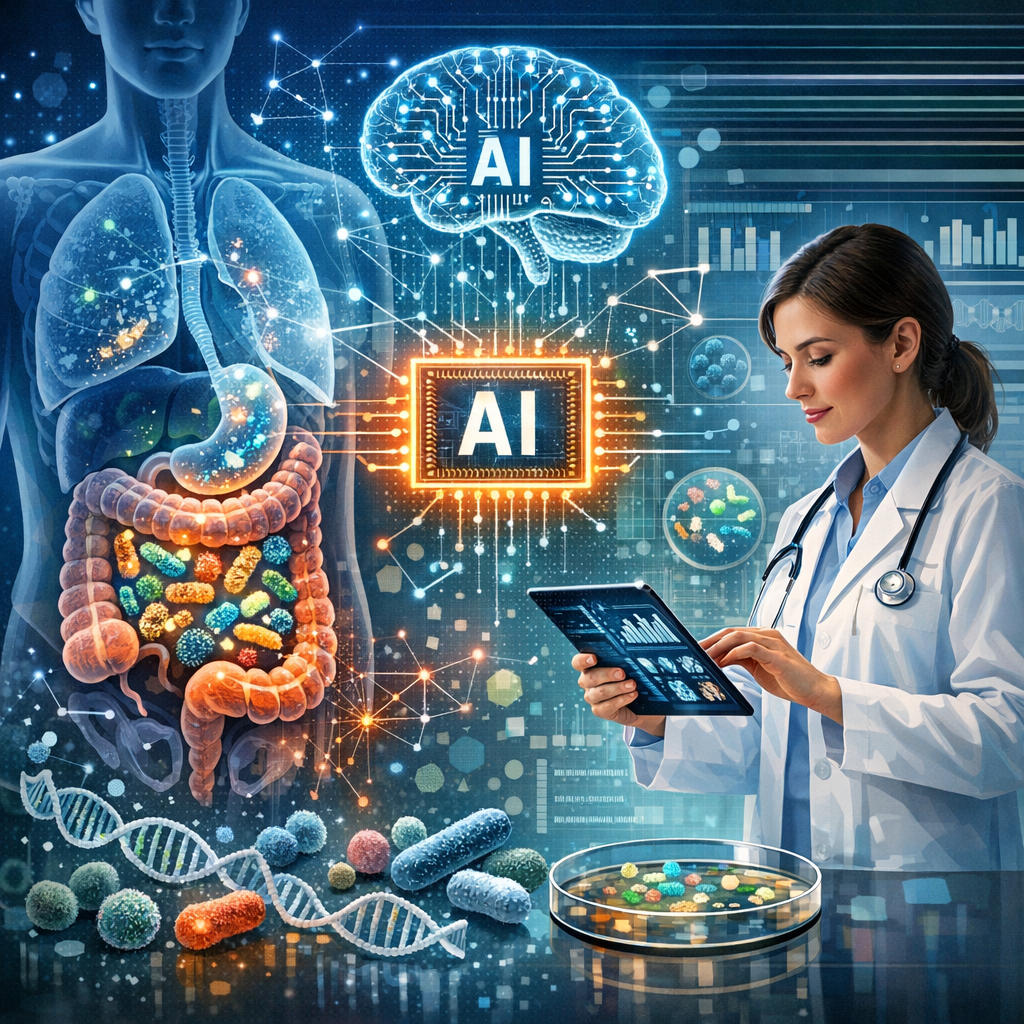
Breaking the Conventional Chains: Integrating AI-Driven Gut Health Scoring with Personalized Functional Gastroenterology
Introduction
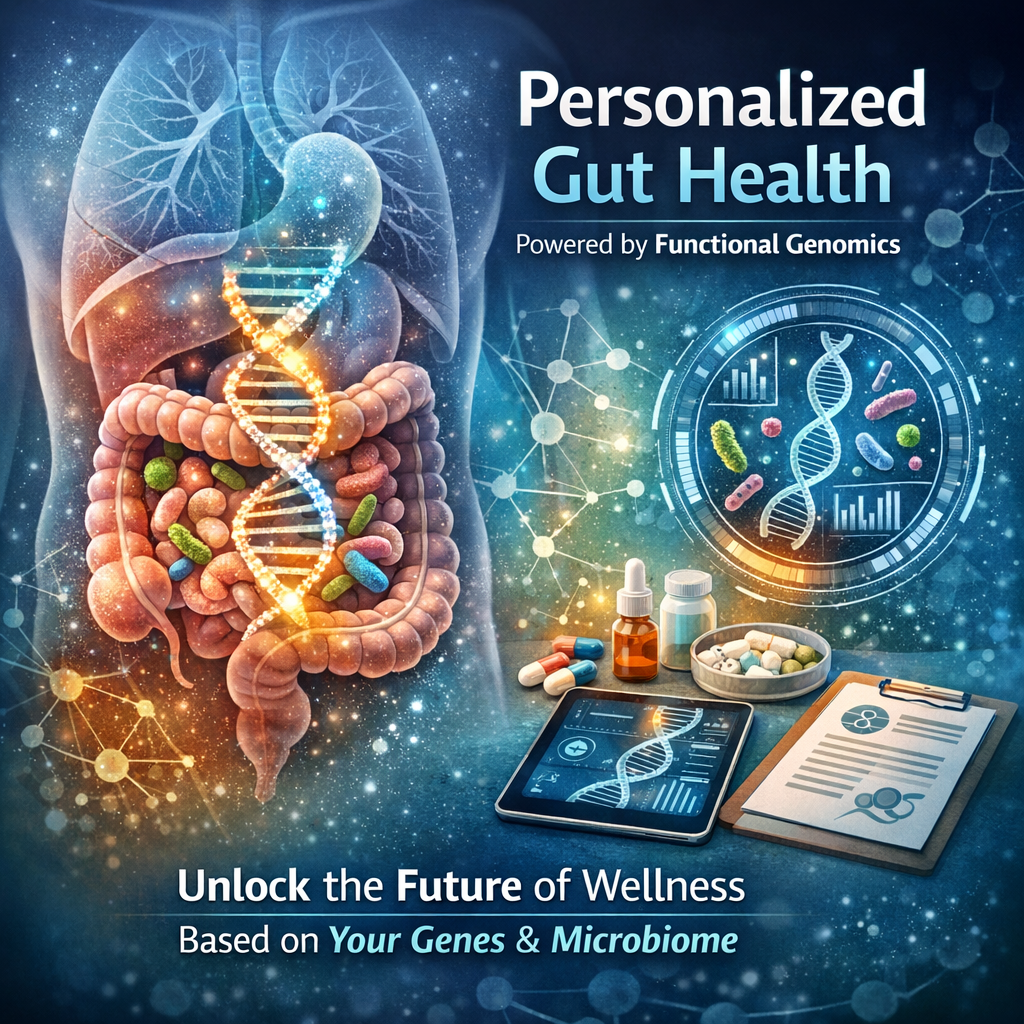
The realm of gut health is rapidly evolving due to advancements in technology and data science. Professionals and health enthusiasts are integrating artificial intelligence (AI) into personalized functional gastroenterology. This innovative approach aims to decode the complexities of gut health, promising a deeper understanding of individual gastrointestinal (GI) issues and evidence-based pathways to optimal gut function.
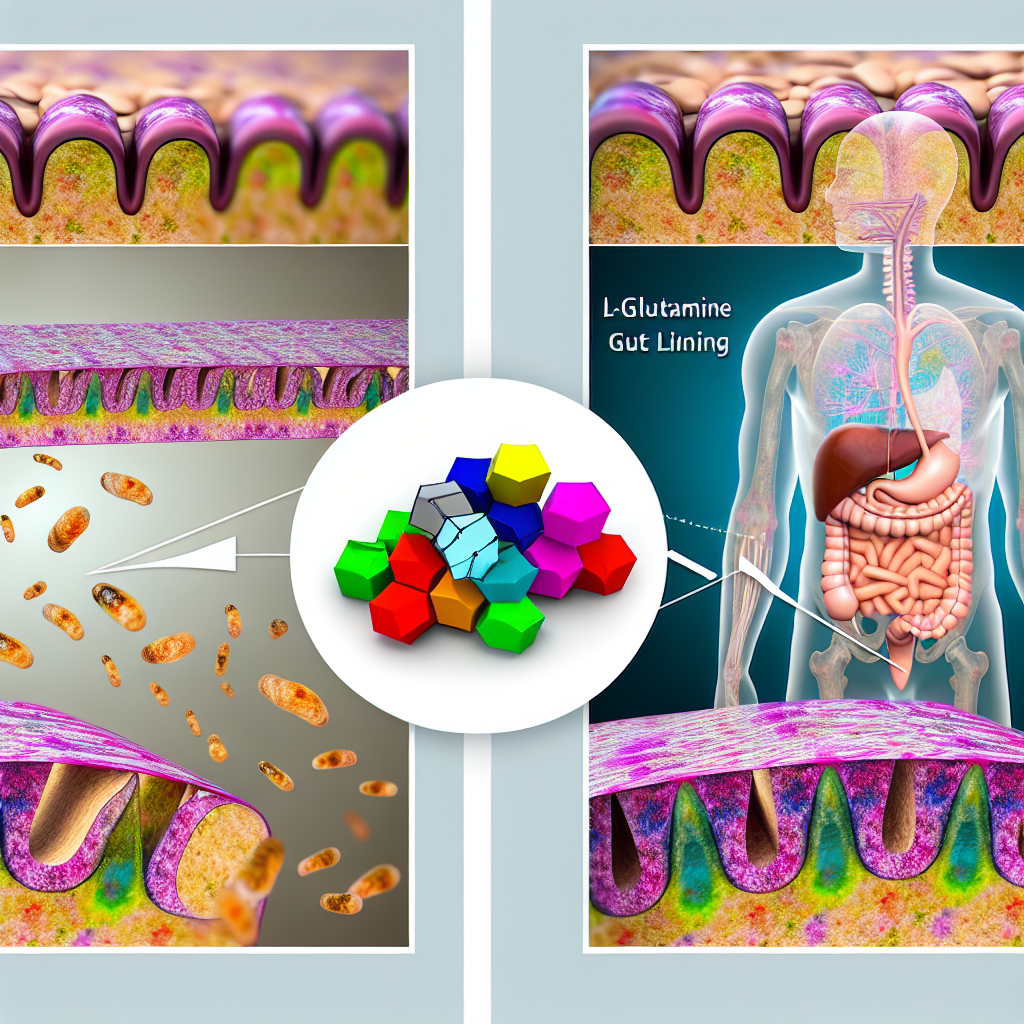
The gastrointestinal system is complex and home to trillions of microorganisms, collectively known as the microbiome. This ecosystem is crucial for digesting food, absorbing nutrients, and fortifying the immune system. Various factors, such as diet, lifestyle changes, stress, and genetic predispositions, can disrupt this balance, leading to conditions like irritable bowel syndrome and inflammatory bowel disease.
In efforts to manage these issues, AI-powered tools are proving to be valuable allies. By utilizing machine learning algorithms and big data analytics, AI can process extensive datasets involving dietary habits, genetic profiling, and lifestyle patterns affecting gut health. Integrating AI-driven gut health scoring into functional gastroenterology offers healthcare practitioners a chance to refine their approach and deliver tailored treatment strategies, surpassing conventional diagnostic methods.
By assessing individual microbiome compositions and analyzing symptomatic ratios, AI provides insights into patient-specific conditions. This data enables healthcare providers and patients to make informed decisions, implement interventions, and assess therapeutic outcomes with precision. Merging technology and functional medicine is no longer optional but expected, heralding a new era of gut health optimization.
Features
Several scientific studies highlight the potential of AI in revolutionizing gut health diagnostics and treatment strategies. A study by the Massachusetts Institute of Technology (MIT), published in [*Nature Medicine*](https://www.nature.com/articles/s41591-019-0408-6), demonstrated how machine learning algorithms can predict inflammatory bowel disease relapse by analyzing temporal patterns in gut microbiome data. This research underscores AI’s ability to uncover hidden patterns in complex biological datasets, offering new avenues for preemptive healthcare measures.
Another groundbreaking study, published in the [*Journal of Gastroenterology*](https://www.springer.com/journal/535), utilized AI to develop a predictive biomarker for irritable bowel syndrome. The research identified specific gut microbial signatures associated with the condition, validating AI’s potential in identifying underlying causes of GI disorders, thereby enabling clinicians to tailor treatment modalities to individual patient profiles.
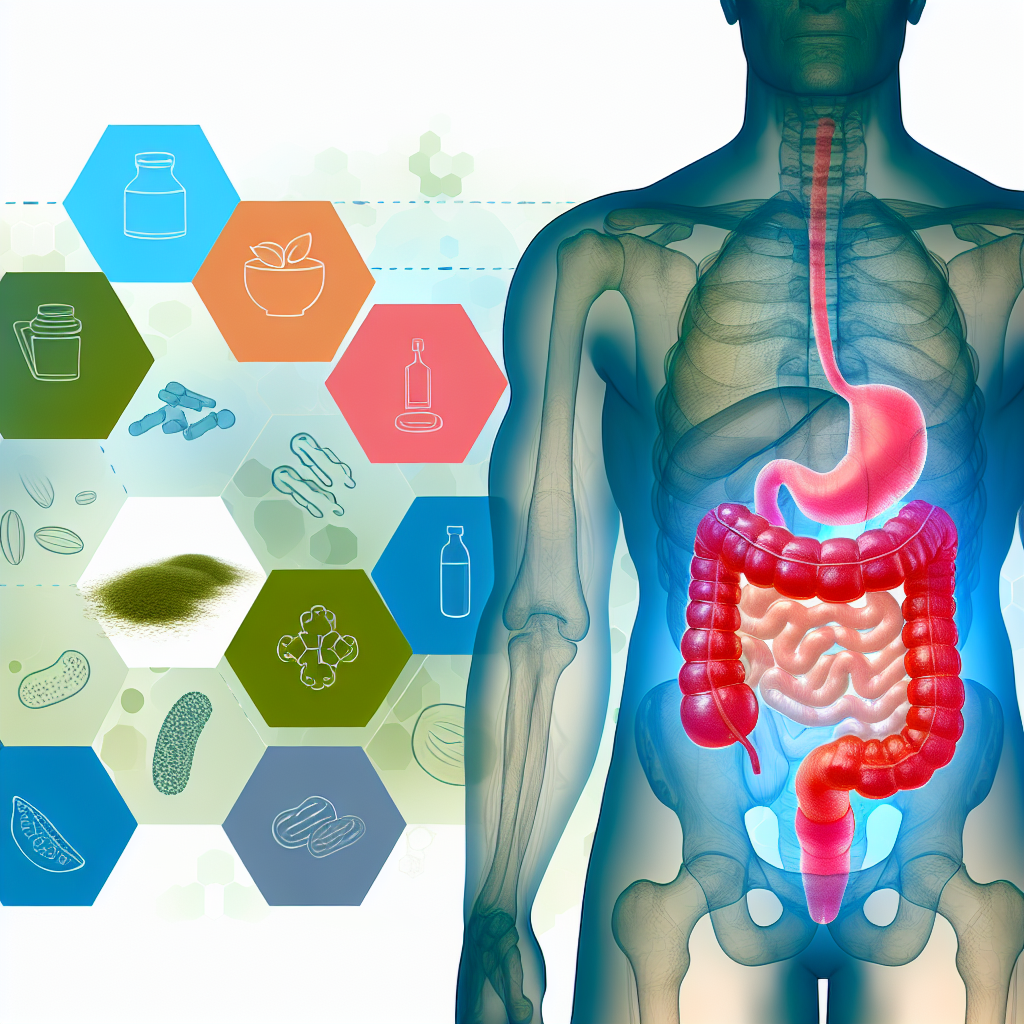
Furthermore, the introduction of AI-driven personalized nutrition services marks significant progress in devising individualized dietary plans to enhance gut health. Companies like [Viome](https://www.viome.com/) have used AI to analyze gut microbiota and suggest precise dietary modifications, supporting the integration of AI with functional gastroenterology. By categorizing individuals into varying risk profiles and offering personalized dietary interventions, these services enable optimal gut function tailored to the individual.
The collaboration between AI and functional medicine addresses gaps prevalent in traditional gut health approaches, facilitating a systemic exploration of the inherent complexities of the gut microbiome and promoting holistic methodologies for prevention, diagnosis, and treatment.
Conclusion
Integrating AI-driven gut health scoring into personalized functional gastroenterology represents a transformative shift from traditional practices to data-driven personalization. This collaboration redefines our understanding of gut health and empowers individuals to proactively manage their digestive wellness. As technological and scientific advancements unfold, the future of gut health involves leveraging AI’s capabilities to provide personalized, evidence-based solutions that respect the complexity and individuality of the human microbiome. Through this integration, the riddles of gut health are being solved, paving the way for a holistic, forward-thinking approach that transcends traditional healthcare paradigms.
Concise Summary
The integration of AI-driven gut health scoring into personalized functional gastroenterology aims to revolutionize gut health by transforming traditional diagnostic methods into data-driven personalization. By harnessing AI’s ability to analyze vast datasets on dietary habits, genetic profiling, and lifestyle patterns, healthcare professionals can provide precise, tailored treatment strategies. Groundbreaking studies from institutions like MIT and journals have validated AI’s potential in predicting and diagnosing gastrointestinal disorders. Companies such as Viome enhance gut health using AI-driven dietary interventions. The synergy of AI with functional medicine paves the way for a holistic approach to digestive wellness.

Dominic E. is a passionate filmmaker navigating the exciting intersection of art and science. By day, he delves into the complexities of the human body as a full-time medical writer, meticulously translating intricate medical concepts into accessible and engaging narratives. By night, he explores the boundless realm of cinematic storytelling, crafting narratives that evoke emotion and challenge perspectives.
Film Student and Full-time Medical Writer for ContentVendor.com