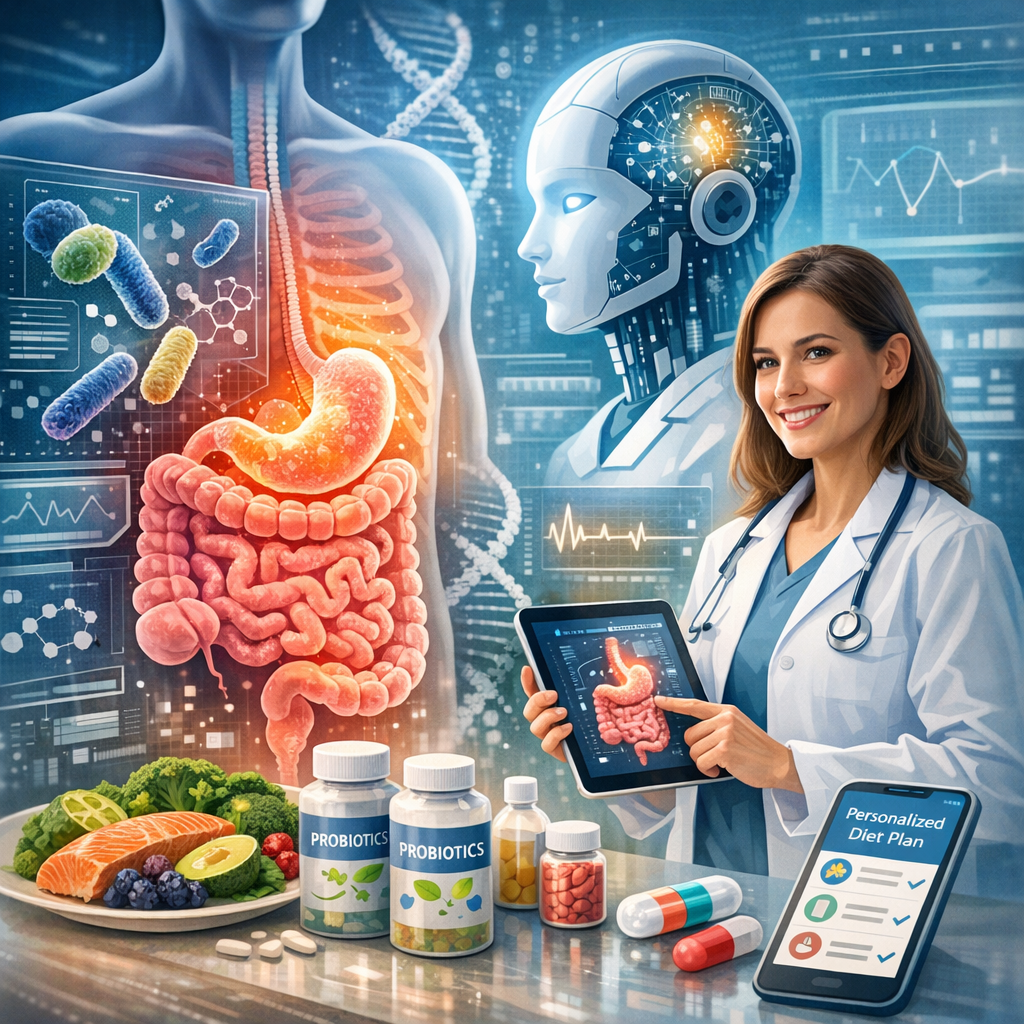
The Future of Gut Health: Decoding the Role of AI and Machine Learning in Personalized Digestive Care
The human gut is often referred to as the “second brain,” a dynamic ecosystem housing trillions of microorganisms that play a crucial role in our overall well-being. As our understanding of gut health advances, so does our approach to maintaining it. Enter the era of artificial intelligence (AI) and machine learning—technologies that are transforming personalized digestive care. These tools are not only paving the way for a deeper comprehension of the gut microbiome but are also providing innovative solutions to ancient problems like indigestion, irritable bowel syndrome (IBS), and other digestive disorders.
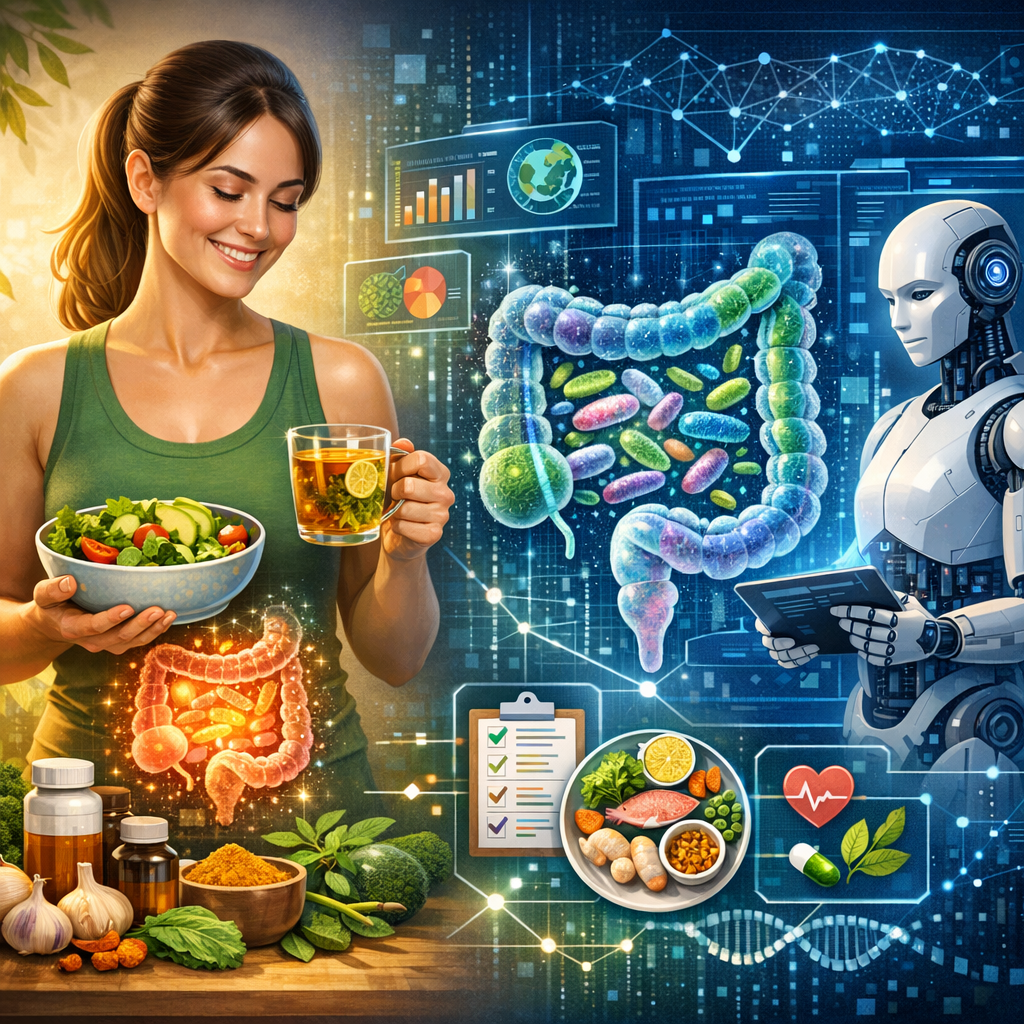
AI and machine learning can process vast amounts of data far beyond the capacity of the human brain. By analyzing patterns, these technologies can predict health outcomes, offer personalized dietary recommendations, and even customize probiotic formulations tailored to an individual’s unique gut microbiome. This shift towards personalized medicine in digestive health means that treatment plans are no longer one-size-fits-all but are instead tailored to each person’s unique biological and lifestyle needs.
One of the most promising developments involves the use of AI to decode the gut microbiome’s complex genetic material. Machine learning algorithms can sift through DNA sequences obtained from stool samples, identifying the diverse microbial populations present in the gut. This can help discern which bacterial imbalances might be contributing to specific gastrointestinal issues. Through machine learning, healthcare providers can use this information to predict how a patient might respond to certain treatments, thus optimizing care.
Moreover, AI-driven gadgets and applications are making it easier for individuals to monitor their gut health in real time. Smart applications track dietary habits, symptoms, and even moods, offering insights into how different foods and stress levels impact digestive well-being. With these tools, individuals are empowered to take an active role in managing their gut health, making informed decisions based on real-time feedback.
Features:
The integration of AI and machine learning in gut health isn’t just theoretical—it is supported by a growing body of research. A recent study published in *Nature Biotechnology* highlights how machine learning models can predict clinical responses to diets in individuals based on their microbiome composition. This study underscores AI’s potential in customizing nutritional plans that could optimize gut health.
Additionally, AI’s role in diagnosing gut-related health issues is being explored through clinical trials. For instance, researchers at Stanford University demonstrated that AI could accurately diagnose inflammatory bowel disease (IBD) by analyzing endoscopy images, achieving a level of accuracy comparable to human specialists. This advancement suggests that AI could soon become a standard tool in clinical protocols, ensuring earlier and more precise interventions.
A critical aspect of AI in gut health is its application in developing new probiotic and prebiotic formulations. Startups like Viome are using advanced AI algorithms to analyze users’ microbial data, providing personalized probiotic recommendations based on the individual’s microbiome configuration. These tailored products are steps towards more effective and individualized therapy options, ensuring that people reap the best benefits from these natural treatments.
AI is also proving instrumental in understanding the gut-brain axis, the complex communication network linking our gut and brain which affects both digestion and mental health. By processing large data sets from various studies, AI can help identify patterns and mechanisms in this axis, potentially leading to breakthroughs in treating conditions like anxiety and depression, which are often linked to gut health.
Conclusion:
AI and machine learning represent the frontier of gut health management, promising a future where digestive care is highly personalized and predictive. By harnessing the power of these technologies, healthcare providers can offer precision medical solutions tailored to an individual’s unique needs, enhancing health outcomes and revolutionizing traditional approaches to gut health. As technology continues to advance, the dream of maintaining optimal gut health through personalized care is not just a possibility—it’s becoming a reality. The fusion of AI technology with traditional and natural remedies heralds a new era in holistic health, one where gut health is seamlessly integrated with technological innovation for the betterment of society.
Concise Summary:
The integration of AI and machine learning in digestive health is revolutionizing personalized care by allowing for tailored treatments based on individual microbiomes. These technologies can analyze vast data sets, uncover microbial imbalances, and predict treatment responses, thus optimizing care. With applications in real-time health monitoring, disease diagnosis, and probiotic formulation, AI is making gut health management more precise and personalized. Research and developments, such as those by Stanford University and companies like Viome, highlight the potential for AI to transform both digestive and mental health by enhancing our understanding of the gut-brain axis.