Unraveling Gut Trauma: How Psychological Stress Physically Alters Your Digestive System
Introduction
The complex relationship between mental health and gut health is an area of burgeoning interest in both medical and holistic wellness communities. The term “gut trauma” has gained traction as researchers unravel the intricate ways psychological stress communicates with our gut, leading to tangible physical changes. With stress becoming a ubiquitous element in modern lifestyles, understanding its effects on gut health is paramount.
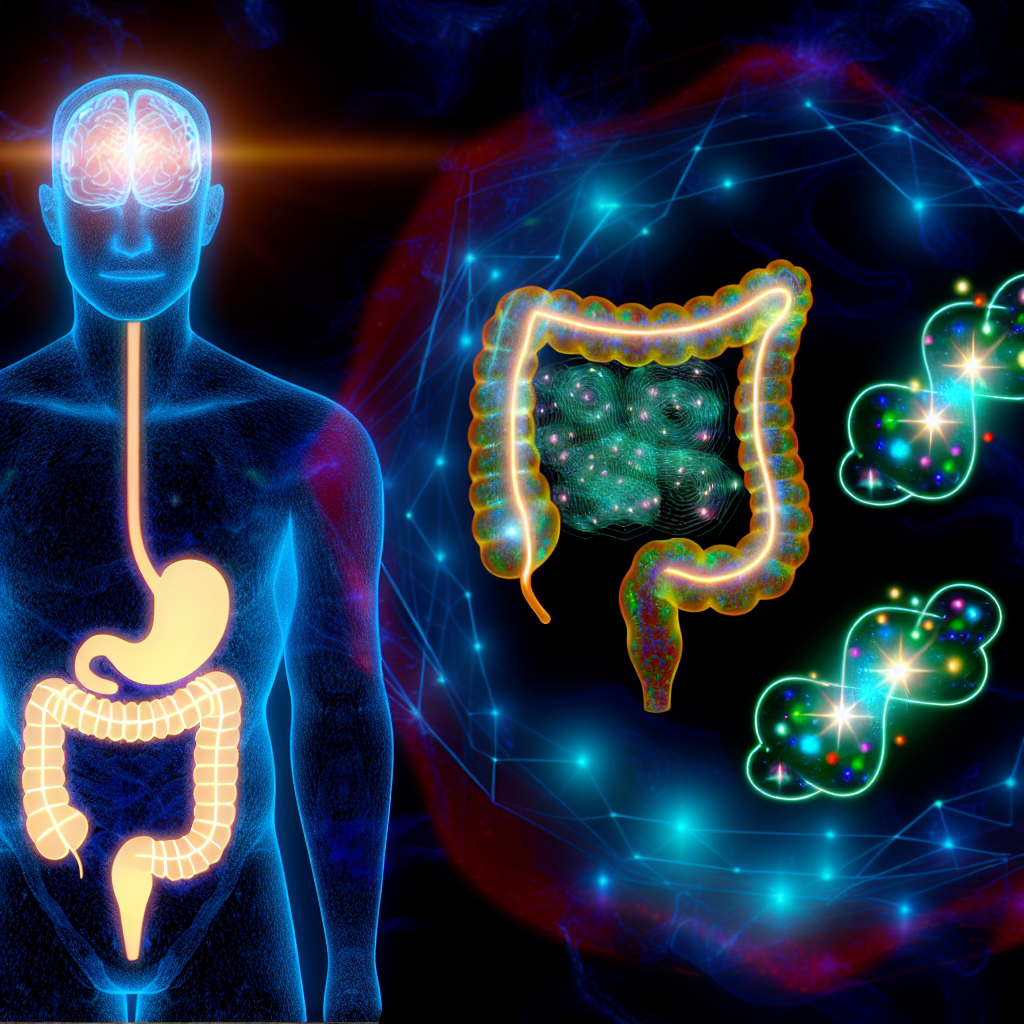
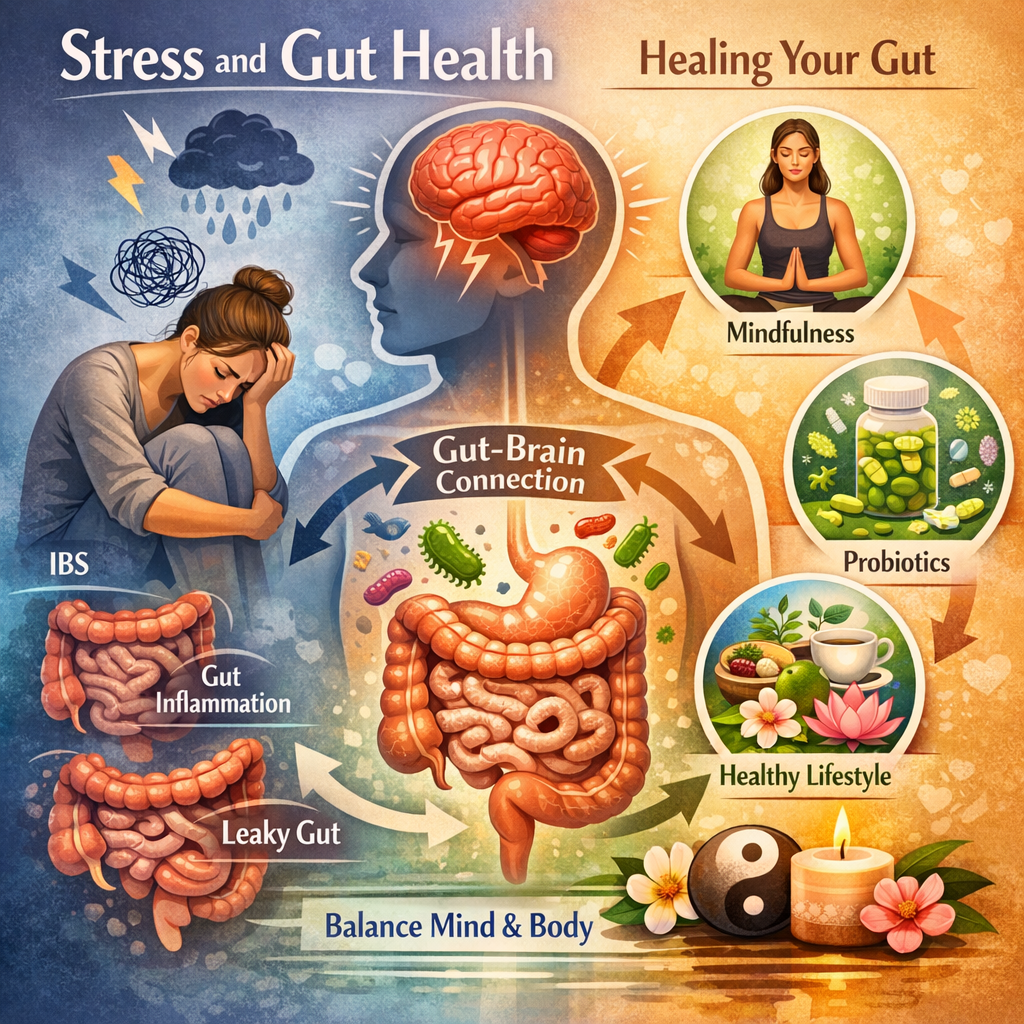
The gut-brain axis, a bidirectional communication network linking the gastrointestinal system and the central nervous system, plays a significant role in maintaining homeostasis. This connection implies that mental stress can influence gut function, and conversely, gut disturbances can affect mental well-being. Psychological stress is more than just a mental burden; it initiates a cascade of physiological responses that can precipitate or exacerbate gut-related disorders.
When an individual encounters stress, the body activates its “fight or flight” mechanisms. Hormones such as cortisol and adrenaline surge through the bloodstream, preparing the body to respond to perceived threats. While this response is beneficial in short bursts, chronic activation due to prolonged stress can be detrimental to various bodily systems, including the digestive system. Symptoms such as abdominal pain, bloating, and altered bowel habits are often reported by individuals experiencing stress, highlighting the gut’s sensitivity to emotional and psychological turmoil.
Additionally, stress-induced changes in gut permeability or “leaky gut” and altered microbiota composition are areas of significant study. These changes can lead to inflammation and increased risk of chronic gastrointestinal conditions such as Irritable Bowel Syndrome (IBS). Understanding how psychological stress can lead to gut trauma empowers individuals to seek effective stress management techniques and gut-friendly practices for holistic well-being.
Features
Research has consistently demonstrated the tangible effects of psychological stress on gut health. A pivotal study published in [The Journal of Physiology](https://physoc.onlinelibrary.wiley.com/journal/14697793) explored how stress affects gut permeability. The researchers found that stress disrupts the intestinal barrier function, leading to what is commonly referred to as a “leaky gut.” This condition allows bacteria and toxins to pass through the gut lining into the bloodstream, triggering inflammatory responses and potentially aggravating conditions such as Crohn’s disease and ulcerative colitis.
Further, a study in [Gastroenterology](https://www.gastrojournal.org/) highlighted the bidirectional nature of the gut-brain axis in the development of IBS. Researchers discovered that individuals with IBS reported higher levels of stress and anxiety, which exacerbated their gut symptoms. This reinforces the concept that stress management is a crucial component of treating IBS and similar gut-related disorders.
Moreover, the role of the gut microbiome—a diverse community of microbes residing in the gut—has become a focal point in understanding stress-related gut trauma. Psychological stress can alter the composition and diversity of the gut microbiota, as explored in a study in [Neurogastroenterology & Motility](https://onlinelibrary.wiley.com/journal/13652982). Such alterations can impact gut health, influence fermentation processes, and affect metabolite production, which in turn can influence mental health.
Emerging evidence also suggests that stress management techniques such as mindfulness, yoga, and dietary interventions may positively influence the gut microbiome and alleviate stress-related gut symptoms. For example, a review published in [Nutrients](https://www.mdpi.com/journal/nutrients) examined the benefits of probiotics and prebiotics on gut health. The researchers concluded that these supplements could help restore gut microbiota balance and improve symptoms related to stress-induced digestive issues.
As scientific understanding evolves, so too does the potential for integrating natural remedies like herbal treatments and dietary adjustments as complementary approaches in managing stress-induced gut trauma.
Conclusion
The complex interplay between psychological stress and gut health underscores the importance of a holistic approach to wellness. As we continue to unravel the mechanisms by which stress affects our digestive systems, acknowledging and addressing the root causes of stress is key. By incorporating stress management techniques, optimizing diet, and exploring natural remedies, individuals can proactively support their gut health. This approach not only fosters physical wellness but also enhances overall mental health, demonstrating that the path to healing often lies within a balanced and informed lifestyle.
References
1. [The Journal of Physiology](https://physoc.onlinelibrary.wiley.com/journal/14697793)
2. [Gastroenterology](https://www.gastrojournal.org/)
3. [Neurogastroenterology & Motility](https://onlinelibrary.wiley.com/journal/13652982)
4. [Nutrients](https://www.mdpi.com/journal/nutrients)
Concise Summary
The interconnection between psychological stress and gut health is receiving increased attention for its impact on physical well-being. The gut-brain axis reveals stress-induced digestive disturbances like leaky gut, IBS, and changes in the gut microbiome. Studies highlight that managing stress through mindfulness, diet, and supplements like probiotics can improve gut-related symptoms. Understanding this relationship advocates for a holistic wellness approach, emphasizing stress management and gut-friendly practices as vital for integrated physical and mental health.

Dominic E. is a passionate filmmaker navigating the exciting intersection of art and science. By day, he delves into the complexities of the human body as a full-time medical writer, meticulously translating intricate medical concepts into accessible and engaging narratives. By night, he explores the boundless realm of cinematic storytelling, crafting narratives that evoke emotion and challenge perspectives.
Film Student and Full-time Medical Writer for ContentVendor.com