Gut-Immune Resilience: Navigating Autoimmunity with Cutting-Edge Functional Gastroenterology
In recent years, the world of functional gastroenterology has been buzzing with advancements that underscore the intricate relationship between the gut and the immune system. For individuals battling autoimmune conditions, understanding this complex interplay can be pivotal in managing symptoms and enhancing quality of life. Autoimmune diseases arise when the body’s immune system mistakenly attacks its own tissues, wreaking havoc on organs such as the thyroid, joints, and skin. The gastrointestinal system, often referred to as the “second brain” due to its extensive network of neurons, plays a critical role in immune function and overall health.
One of the primary functions of the gut is to act as a barrier, protecting the body from harmful pathogens while allowing essential nutrients to pass through. However, when the gut lining is compromised, often due to factors like poor diet, stress, and infections, it can lead to increased intestinal permeability, commonly known as “leaky gut.” This condition allows larger molecules, which should typically be confined to the gut, to enter the bloodstream and trigger an immune response. Over time, this can contribute to the development or exacerbation of autoimmune disorders.
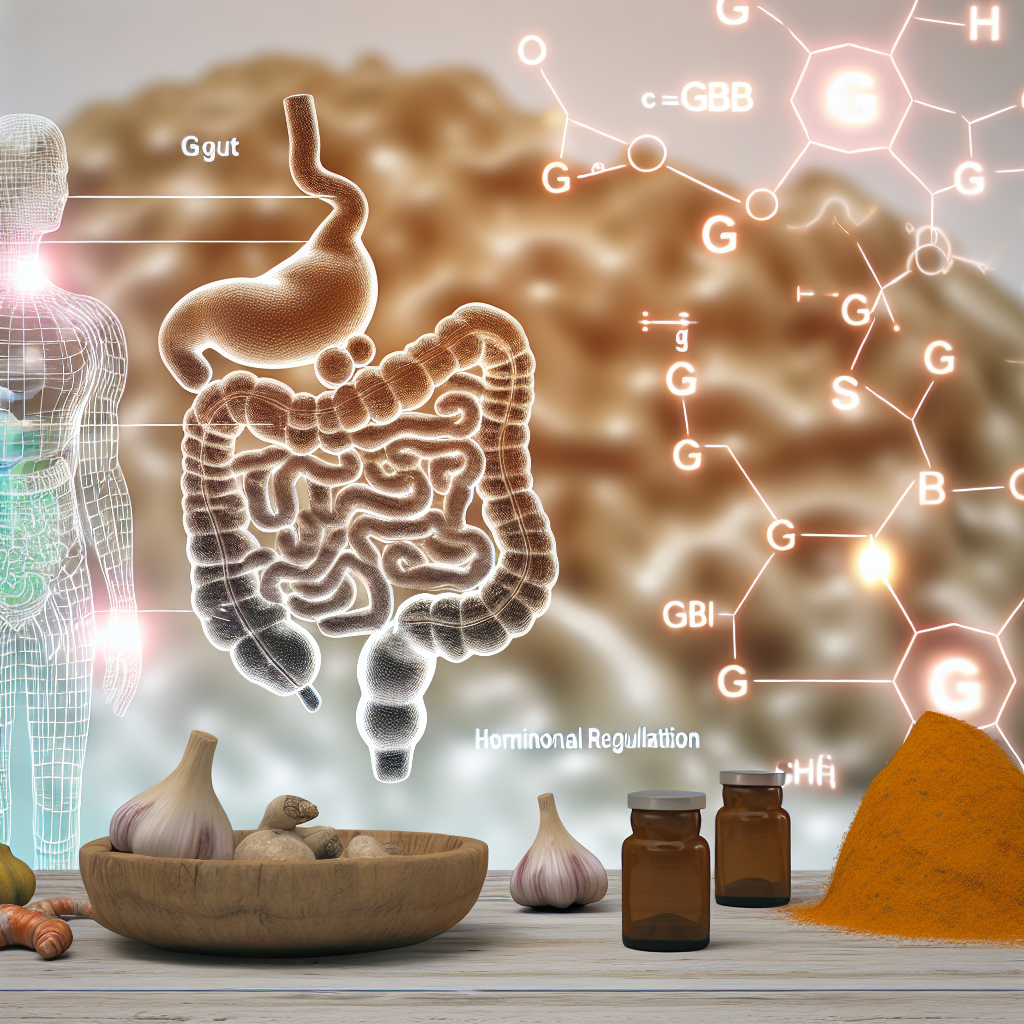
The burgeoning field of functional gastroenterology focuses on the identification and treatment of the root causes of gut dysfunction rather than just the symptoms. It advocates an individualized approach, often employing natural and herbal remedies to restore gut health and bolster the immune system. Herbs like curcumin, ginger, and licorice root have been studied for their potential to reduce inflammation and heal the gut lining. Nutritional strategies, including the consumption of prebiotics and probiotics, are also pivotal in repopulating beneficial gut bacteria and supporting immune function.
Professional and Medical Studies
The intersection of gut health and autoimmunity has been a focal point for many researchers, leading to numerous studies that offer valuable insights. For instance, a 2014 study published in the journal [*Frontiers in Immunology*](https://www.frontiersin.org/articles/10.3389/fimmu.2014.00101/full) emphasized the role of gut microbiota in modulating the immune responses associated with autoimmune conditions. The study found that individuals with autoimmune diseases often exhibit dysbiosis, a term used to describe an imbalance in gut bacteria that can lead to immune dysregulation. Restoration of a healthy microbiome through dietary interventions was shown to have potential therapeutic effects.
Moreover, a 2018 clinical trial published in [*Nutrients*](https://www.mdpi.com/2072-6643/10/10/1545) assessed the impact of a specific strain of probiotics on patients with systemic autoimmune conditions. The results revealed a significant improvement in inflammatory markers, underpinning the importance of gut bacteria in managing autoimmune responses. The trial concluded that probiotics could serve as a viable adjunctive treatment in autoimmune disease management, highlighting a promising avenue for those seeking natural remedies.
Another landmark study, published in [*The American Journal of Gastroenterology*](https://journals.lww.com/ajg/fulltext/2016/08000/herbal_medicines_in_the_treatment_of_ibd__.31.aspx) in 2016, explored the potential of herbal therapies in treating inflammatory bowel diseases (IBD), which often have autoimmune components. The meta-analysis revealed that certain herbs, including Boswellia serrata, demonstrated efficacy comparable to conventional drugs in reducing inflammation and maintaining remission in IBD patients. Such findings emphasize the potential of integrating herbal treatments within traditional therapeutic strategies.
Conclusion
Navigating autoimmunity through the lens of functional gastroenterology presents an exciting frontier for those seeking holistic and natural treatments for gut health. As research continues to uncover the intricate connections between the gut and the immune system, individuals with autoimmune conditions have more evidence-based options than ever before. Emphasizing a balanced microbiome, repairing gut integrity, and incorporating herbal remedies can form a cornerstone for achieving gut-immune resilience. Individuals considering these alternative treatments should consult healthcare professionals to devise a comprehensive, personalized approach to managing their autoimmune conditions.