The Untapped Potential of Gut-Centric Epigenetic Modulation: Redesigning Your Personalized Healing Blueprint
Introduction
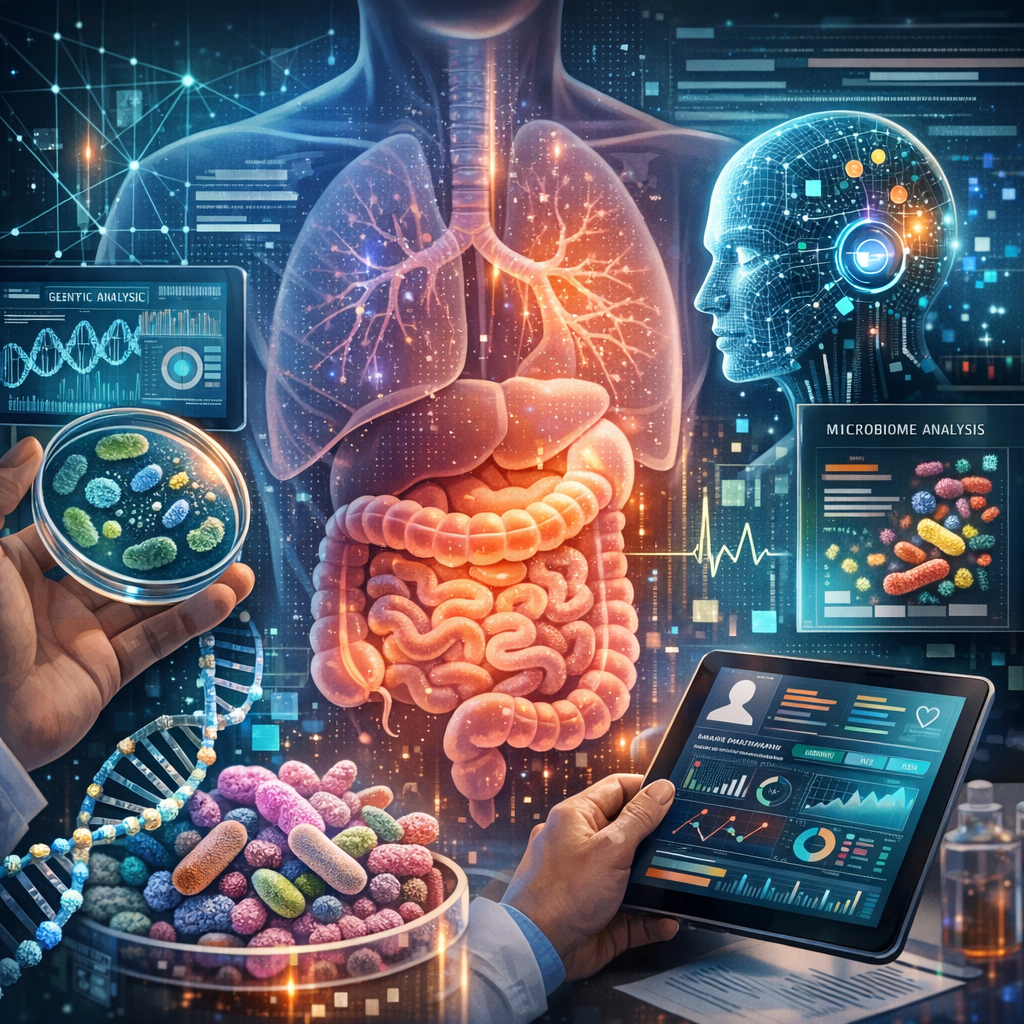
In recent years, the burgeoning field of epigenetics has revolutionized our understanding of gene expression, leading to groundbreaking insights into health and disease management. Central to these discoveries is the gut microbiome, a dynamic and diverse ecosystem of microorganisms residing in our digestive tract. Evidence suggests that our lifestyle and environmental factors can modulate the expression of genes through epigenetic changes, and the gut microbiome plays a pivotal role in this complex interplay.
Epigenetic modulation refers to changes in gene activity that do not involve alterations to the underlying DNA sequence. These modifications, often reversible, influence a host of biological processes, highlighting the potential for personalized medicine approaches tailored to our unique genetic and epigenetic profiles. The gut, often dubbed the “second brain,” is increasingly recognized as a key player in this epigenetic landscape, influencing immune function, nutrient absorption, and even mental health.
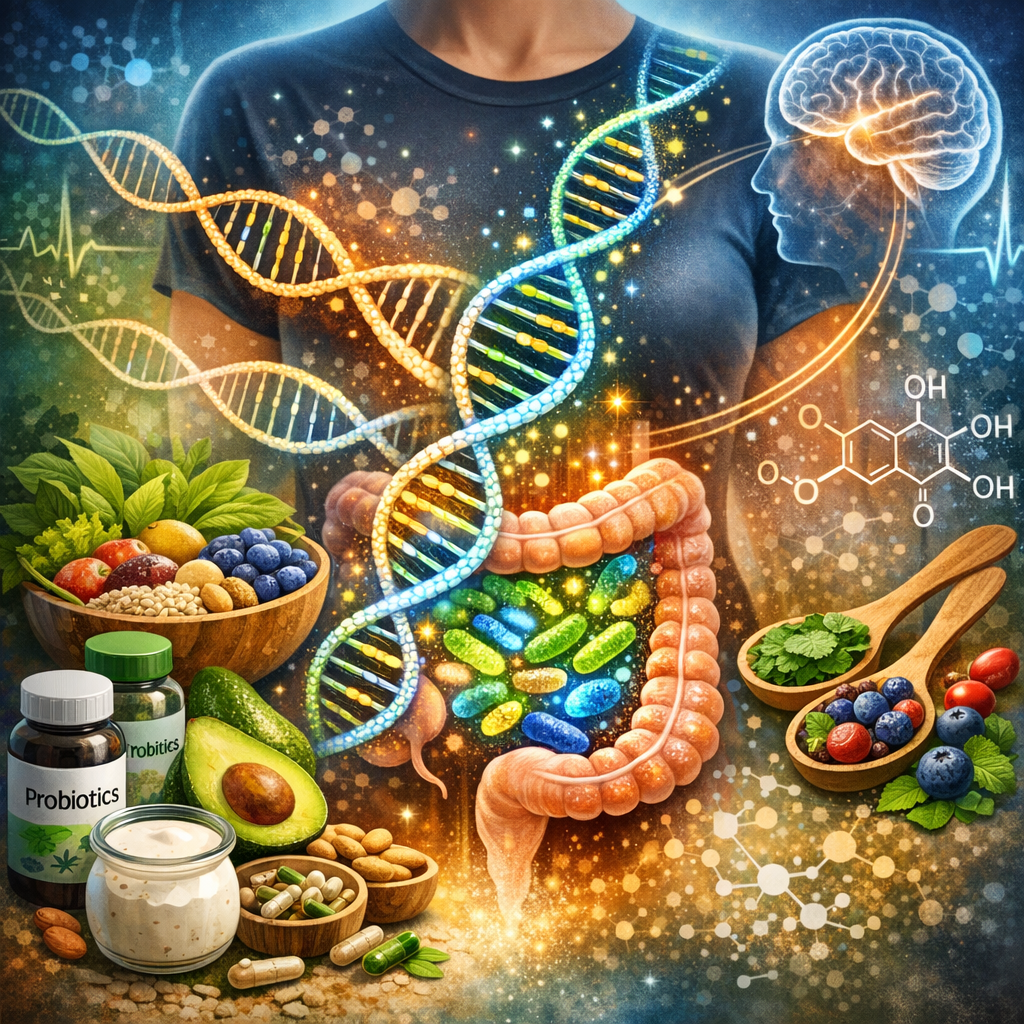
The food we consume, the stress we navigate, and the lifestyle choices we make can all affect the microbiota, in turn shaping our epigenetic expression. Imagine a healing blueprint—one that isn’t set in stone but is continually redesigned through our interactions with the world around us. By understanding and harnessing the power of gut-centric epigenetic modulation, we can pave the way for personalized strategies aimed at optimizing our health and preventing disease.
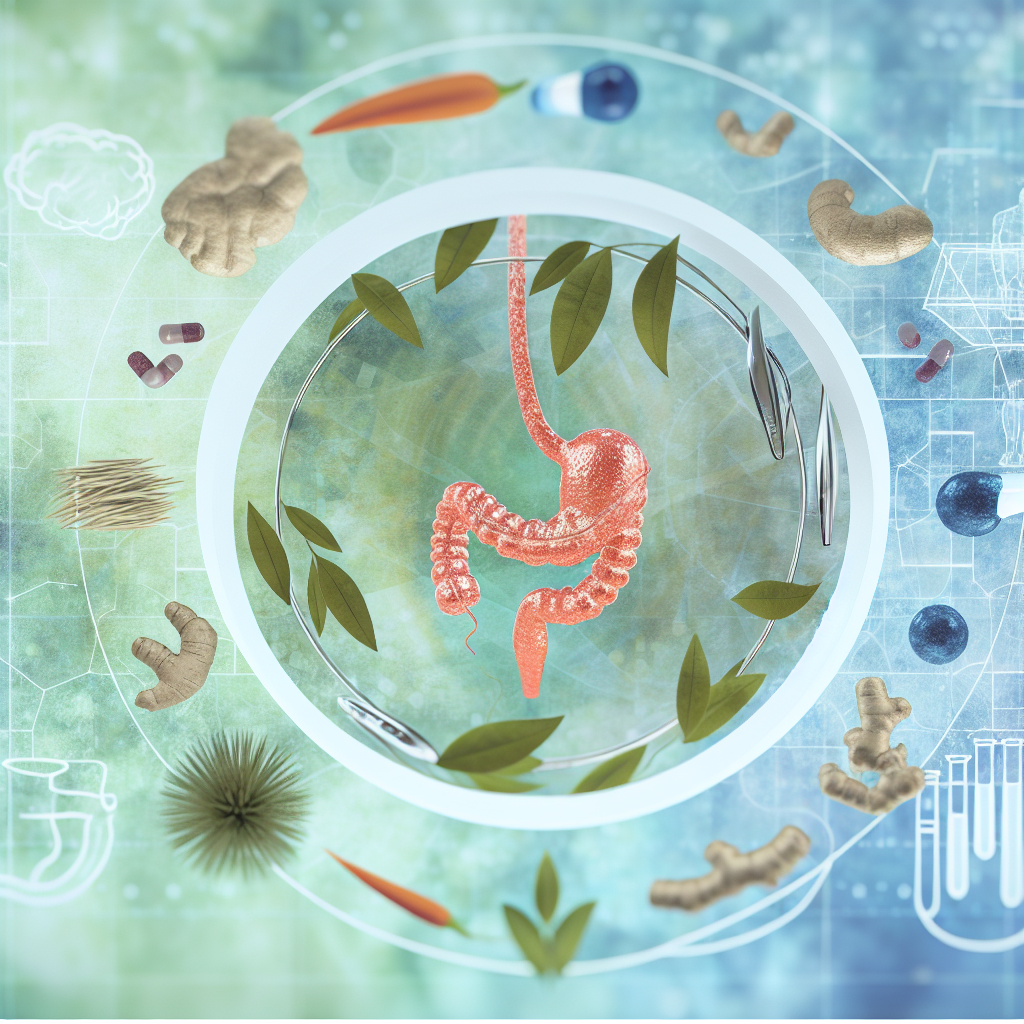
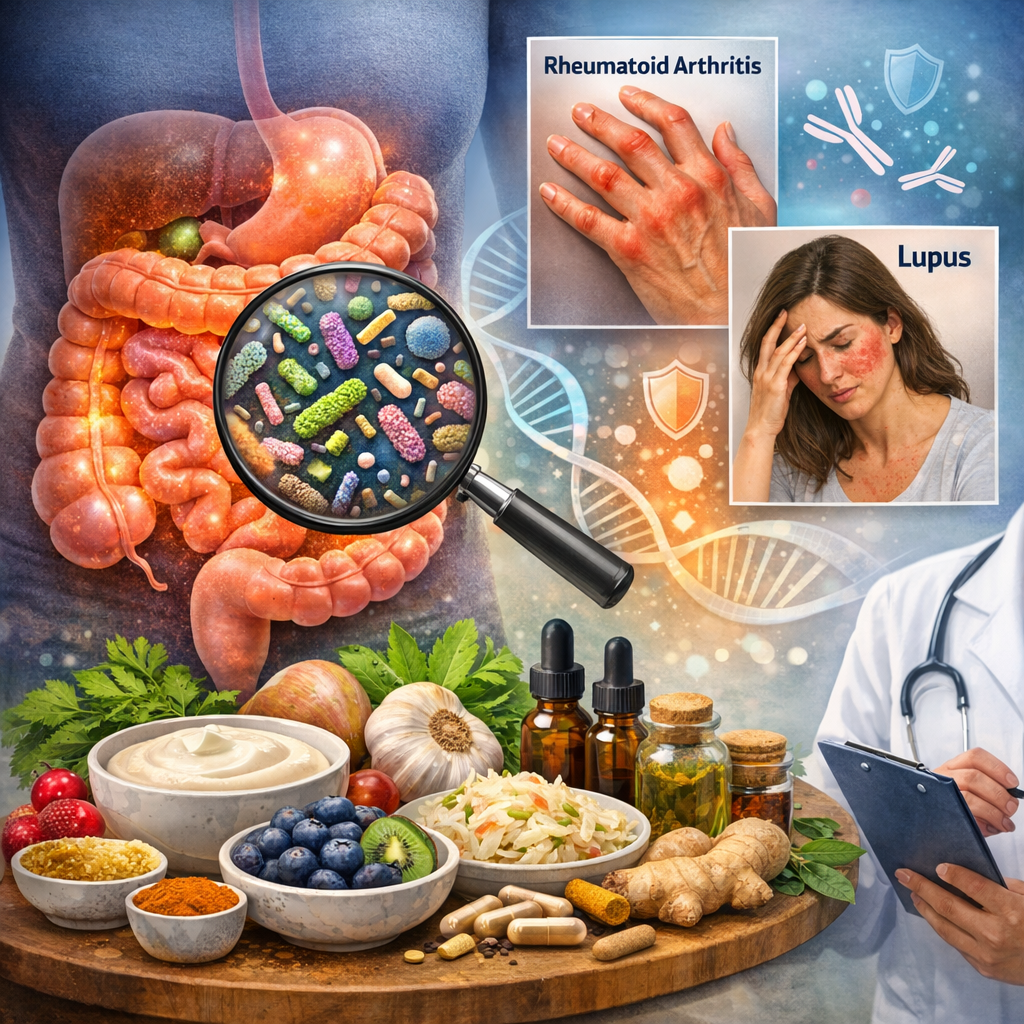
The quest for natural and herbal treatments enhancing gut health takes on new dimensions in light of this paradigm. Interventions such as probiotics, prebiotics, and specific dietary choices emerge as tools not just for promoting a balanced microbiome but also for triggering beneficial epigenetic changes. Such natural interventions could hold the key to unlocking individualized pathways to health, resilience, and longevity.
Features
Several professional studies have investigated the interconnectedness of gut health, epigenetics, and overall well-being. A notable study published in the journal Nature Reviews Gastroenterology & Hepatology explores how dietary polyphenols—naturally occurring compounds found in fruits, vegetables, and some beverages—can induce epigenetic modifications. These compounds have been shown to positively influence gut microbiota composition and diversity, thus promoting beneficial health outcomes.
In another study published in the Journal of Nutritional Biochemistry, researchers focused on the role of short-chain fatty acids (SCFAs), metabolic by-products of dietary fibers fermented by gut bacteria, as epigenetic modulators. SCFAs like butyrate, acetate, and propionate have been observed to influence gene expression in cells, potentially impacting inflammatory responses and disease susceptibility.
Additionally, a study in the Journal of Clinical Epigenetics underscores the intricate relationship between gut microbiota and the host’s gene expression profile. The research highlights that specific strains of probiotics can modulate histone acetylation—a crucial epigenetic mechanism—thereby influencing immune function and reducing inflammation.
These studies underscore the therapeutic potential of natural interventions aimed at modifying the gut microbiome to achieve favorable epigenetic outcomes. They provide a compelling rationale for integrating gut-centric strategies into broader healthcare practices, emphasizing the value of personalized approaches that cater to individual genetic and microbiotic profiles.
Conclusion
The field of gut-centric epigenetic modulation holds immense promise, offering fresh perspectives on natural and personalized healthcare interventions. By embracing the interconnectedness of our gut microbiome and epigenetic expression, we can begin to unlock the untapped potential within us for optimized health and well-being. While further research is necessary to fully harness these insights, the existing evidence is a testament to the transformative possibilities of integrating natural, gut-focused strategies into personalized medical approaches. As we continue to explore this frontier, the opportunities for lasting health improvements become increasingly tangible.
Concise Summary
The revolutionary field of epigenetics highlights how our gut microbiome can modulate gene expression affecting our health. Lifestyle elements like diet and stress influence microbiota, offering potential for personalized, gut-centric therapeutic strategies. Studies reveal that components like dietary polyphenols and SCFAs have epigenetic benefits, steering future paths in healthcare. Through strategic natural interventions such as probiotics and prebiotics, we can craft unique healing blueprints, enhancing health resilience and longevity. Embracing these innovations invites transformative healthcare tailored to individual profiles, unlocking new opportunities for sustained health improvements.