Harnessing Postbiotic Signals: A New Frontier in Personalized Gut Health Therapy
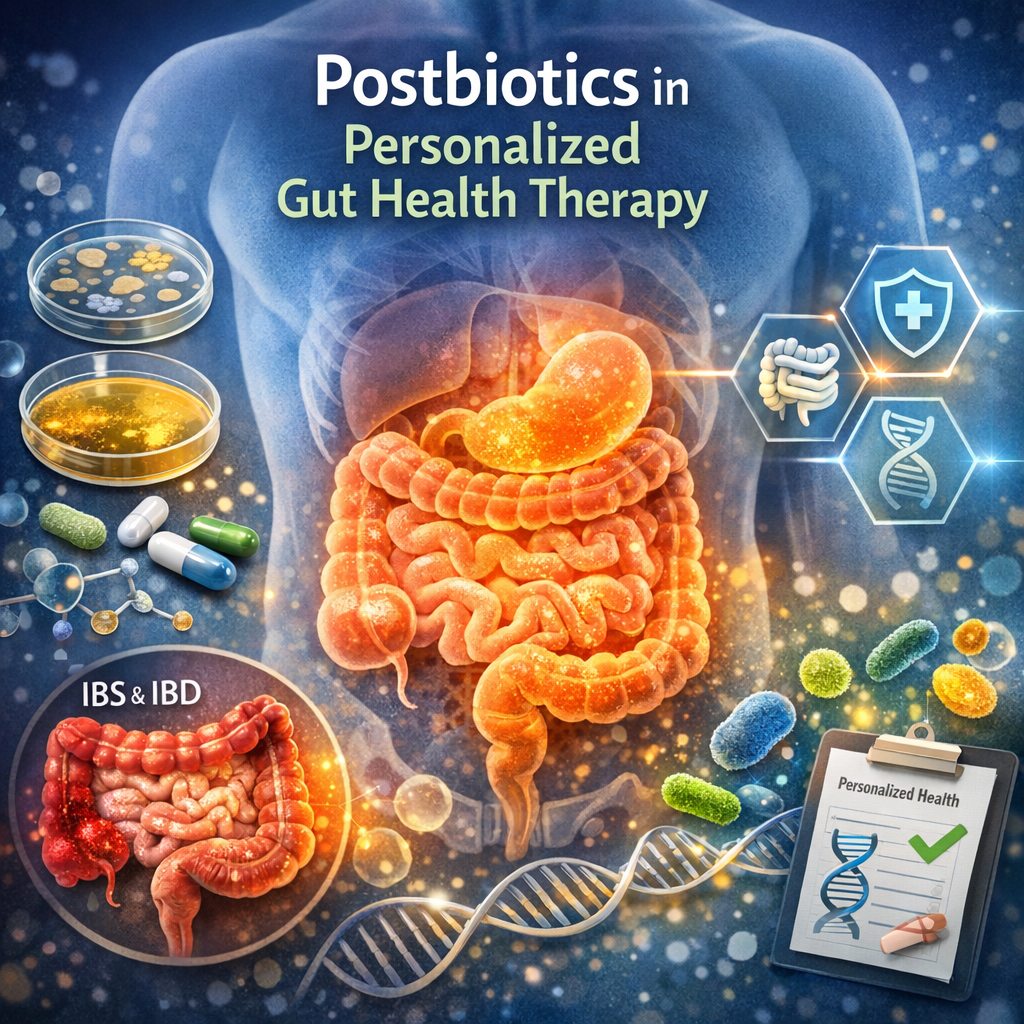
In the quest for optimal gut health, the focus is shifting beyond probiotics and prebiotics to a lesser-known but equally vital player: postbiotics. Postbiotics are bioactive compounds produced during the fermentation process by the gut microbiota. Unlike living bacteria found in probiotics, postbiotics are the end products of bacterial fermentation in the gut, including metabolites such as short-chain fatty acids, enzymes, and peptides. They are increasingly recognized for their potential in enhancing gut health, reducing inflammation, and supporting immune function, paving the way for personalized therapeutic approaches.
The traditional approach to gut health has largely revolved around introducing beneficial bacteria to the intestines via probiotics or feeding existing bacteria with prebiotics, like dietary fiber. However, the concept of postbiotic therapy leverages the bioactive products of these bacteria rather than the bacteria themselves. This holds several advantages, including greater stability and lower risk of infection for immunocompromised individuals. Postbiotics do not require strict storage conditions like probiotics, making them more convenient for consumers.
Modern studies suggest that postbiotics could play a pivotal role in improving gut health by modulating the gut-brain axis, immune system, and microbial balance within the intestines. Their effects extend further into anti-inflammatory benefits, aiding in the treatment of conditions like irritable bowel syndrome (IBS), inflammatory bowel disease (IBD), and even in preventing certain types of cancers.
Moreover, postbiotics represent a promising development in personalized medicine. With growing interest and advancements in microbiome sequencing, it is now feasible to tailor postbiotic therapies to an individual’s unique gut microbial composition. This personalization could maximize therapeutic benefits, targeting specific metabolic pathways relevant to the individual’s health status. Innovations in microbiome science are further propelling research into customized postbiotic interventions that could alter therapeutic outcomes significantly. The potential to treat previously challenging cases with more precision heralds a new era in gut health management.
Understanding postbiotic mechanisms also unveils potential therapeutic targets for antibiotic-associated diarrhea and other gut-related conditions. By enhancing the body’s defense system, postbiotics promote a balanced gut microbiome, contributing to improved digestion and nutrient absorption.
Features: Studies and Findings
Emerging research highlights exciting discoveries about postbiotic benefits. A study published in [Frontiers in Microbiology](https://www.frontiersin.org/articles/10.3389/fmicb.2019.02120/full) demonstrated that postbiotics from Lactobacillus paracasei reduced inflammatory responses in gut epithelial cells, suggesting potential applications in managing inflammatory gut conditions. This anti-inflammatory function offers a promising alternative to traditional anti-inflammatory drugs, often laden with side effects.
Another study, published in the [Journal of Functional Foods](https://www.sciencedirect.com/science/article/pii/S1756464619306581), explored the potential of postbiotics in reducing gut permeability, a condition often referred to as “leaky gut.” Researchers found that postbiotic supplementation tightened intestinal cell junctions, reducing permeability and enhancing gut integrity. This finding is particularly significant for individuals with conditions like IBS and Crohn’s disease, where gut-barrier dysfunction is prevalent.
Furthermore, research in [Nutrients](https://www.mdpi.com/2072-6643/11/8/1738) explored the role of postbiotics in the gut-brain axis, indicating improvements in mood and cognitive functions due to enhanced gut health. The compounds are believed to modulate neurotransmitter activity, highlighting their potential for managing stress, anxiety, and depression.
In clinical trials, postbiotics have shown promising results in patient populations. For instance, a controlled trial observed significant improvements in IBS symptoms with postbiotic supplementation compared to conventional treatments ([SAGE Journals](https://journals.sagepub.com/doi/10.1177/2050640614565103)). These benefits underscore postbiotics’ potential as an adjunct or alternative in clinical therapy, necessitating further research to fully understand long-term effects and mechanisms.
Conclusion
As the interest in personalized medicine grows, postbiotics represent an exciting frontier in gut health management. By leveraging metabolites directly, these bioactive compounds offer a stable, safe, and effective means of improving gut function and overall health. While research is ongoing, the promising results of current studies suggest that postbiotics could revolutionize how we approach dietary supplements and personalized health therapies. As we decipher more about the gut microbiome and its metabolites, postbiotics could become an integral part of individualized health regimens, offering sophisticated interventions for digestive health and beyond.
Concise Summary
Postbiotics, the bioactive compounds produced during gut microbiota fermentation, present a promising advancement in personalized gut health therapy. Unlike probiotics, postbiotics offer stable and safer options, enhancing gut health, reducing inflammation, and supporting immune function. Recent studies highlight their benefits in managing IBS, IBD, and improving mood and cognitive functions through the gut-brain axis. The potential of postbiotics is heightened by personalized therapy opportunities, thanks to advancements in microbiome sequencing, allowing tailored interventions. As ongoing research continues to reveal their health benefits, postbiotics stand out as a revolutionary force in gut health management.