Revolutionizing Gut Health: The Next Frontier in Personalized Microbiome Editing
Introduction
In recent years, the burgeoning interest in gut health has captivated both the medical community and the general public. The human gut microbiome—a complex ecosystem of trillions of microorganisms residing in our digestive tract—has been identified as a key player in overall health and well-being. Disruptions in this intricate microbial community have been linked with a myriad of health issues including digestive disorders, immune imbalances, and even mental health conditions. With a deeper understanding of the gut microbiome, the pursuit of innovative approaches to optimize gut health has intensified. Enter personalized microbiome editing—a novel concept promising to revolutionize how we approach gut health by tailoring treatments to the unique microbial makeup of each individual.
Traditionally, efforts to improve gut health have relied on relatively uniform approaches such as broad-spectrum probiotics and dietary changes. However, these methods do not account for the unique composition of each person’s microbiome. Personalized microbiome editing transcends these limitations by employing precise interventions that modulate microbial populations at an individual level. This cutting-edge approach not only aims to alleviate gastrointestinal symptoms but also strives to enhance overall health by restoring microbial balance.
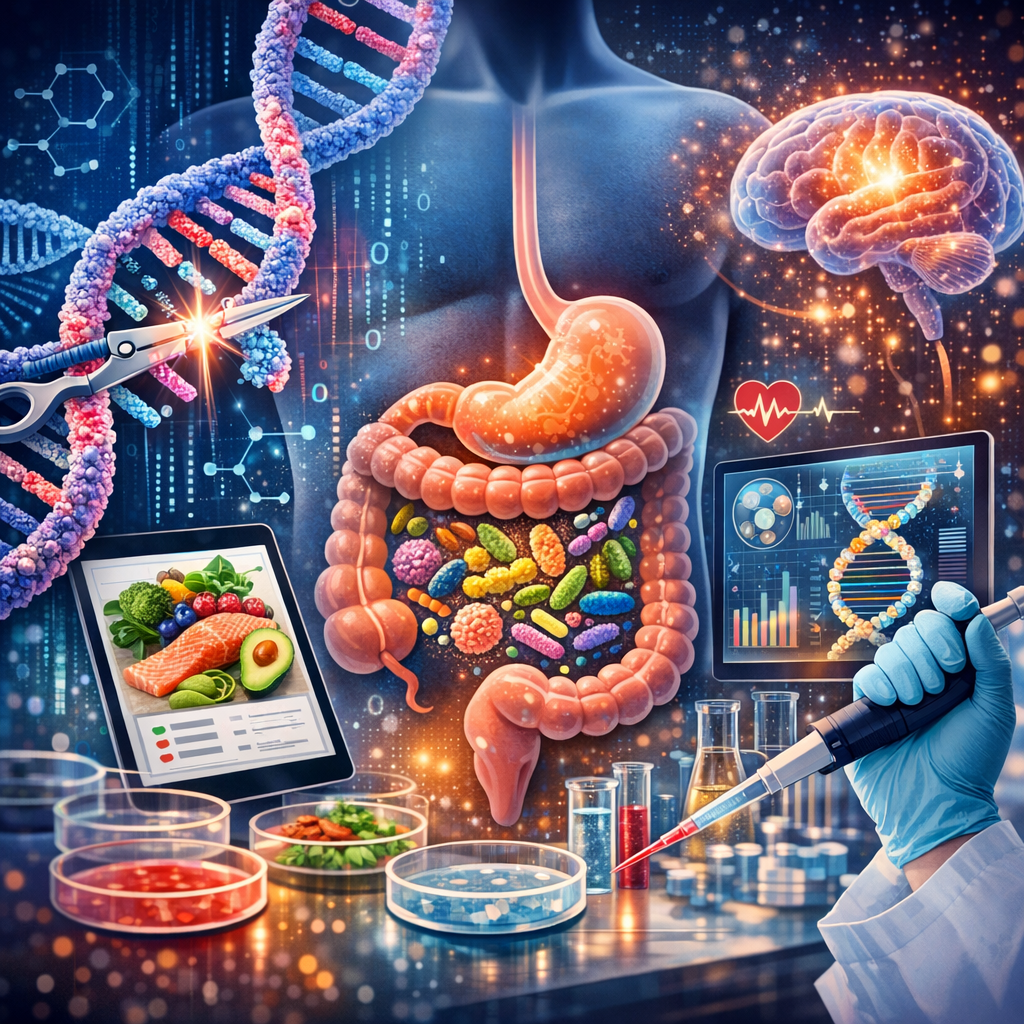
The promise of microbiome editing is rooted in the advancements of technologies such as next-generation sequencing and CRISPR-Cas systems. These innovations allow for detailed mapping of an individual’s microbiome and enable targeted alterations to specifically address microbial imbalances. The goal is to cultivate a favorable microbial environment that harmonizes with one’s genetic and lifestyle factors. As research progresses, personalized microbiome editing could afford a new era of preventative and therapeutic strategies that could better address gastrointestinal disorders, metabolic conditions, and even influence mood and cognitive functions.
Features
One transformative stride in microbiome research is a study published in the journal Nature Medicine in 2021, which explored the potential of using CRISPR technology to edit the gut microbiome. This groundbreaking research demonstrated how custom-engineered bacteriophages—viruses that infect bacteria—could be used to alter specific bacterial populations within the gut. By targeting and eliminating pathogenic bacteria, or enhancing beneficial strains, this method opens up new possibilities for precision medicine in gastrointestinal health (source).
Furthermore, a study from Stanford University illustrated the efficacy of personalized dietary interventions in modifying the microbiome. Participants followed diets tailored to their unique microbiome composition, resulting in improved metabolic markers and gut diversity compared to standard dietary plans. This study underscores the potential of leveraging diet as a personalized microbiome editing tool and its broader implications for managing diet-related diseases such as diabetes and obesity (source).
Additionally, the role of prebiotics and probiotics continues to be a focal point in microbiome research. Recent trials have explored targeted probiotic strains, geared specifically towards individual gut profiles, as a means to enhance therapeutic outcomes. These personalized approaches are showing promise in managing conditions like irritable bowel syndrome (IBS) by improving symptom severity and reducing inflammation. A meta-analysis in The American Journal of Clinical Nutrition highlighted the success of using specific synbiotics—combinations of prebiotics and probiotics—tailored to the individual’s microbiota for enhancing gut health (source).
Conclusion
As we stand on the brink of a new frontier in personalized microbiome editing, the potential to revolutionize gut health is immense. Although this field is still in its nascency, the progress made in understanding and manipulating the microbiome holds promise for addressing long-standing gastrointestinal challenges. Tailored interventions that reflect individual microbiome dynamics could transform preventative health strategies and offer new therapeutic avenues for a multitude of conditions extending beyond gut health. With ongoing research and technological advancements, personalized microbiome editing represents not just one of the most exciting advancements in healthcare, but a hope for a healthier future.
Concise Summary
Personalized microbiome editing is an emerging field poised to revolutionize gut health by tailoring treatments to the unique microbial makeup of each individual. With advancements in technologies like CRISPR and next-generation sequencing, precise interventions can be designed to modulate microbial populations, offering hope for improved gastrointestinal health. Studies indicate promising results using engineered bacteriophages, personalized diets, and targeted synbiotics. These breakthroughs could lead to transformative strategies for managing digestive disorders, metabolic conditions, and possibly influencing mood and cognitive functions, marking a significant step forward in personalized healthcare.