Unveiling the Gut-Mitochondria Link: How Energy Dysfunction Drives Chronic Digestive Disorders
In the intricate realm of human health, the gut has increasingly taken center stage as researchers unveil layers of complexity that govern our overall well-being. Within this landscape, a novel connection has surfaced — the gut-mitochondria link. This emerging area of study is reshaping our understanding of digestive health, underscoring how mitochondrial function can influence the gut and vice versa. Mitochondria, often dubbed the “powerhouses of the cell,” are responsible for producing the energy that cells require. However, their role extends beyond energy production to include the regulation of the immune system, cell signaling, and inflammation management.
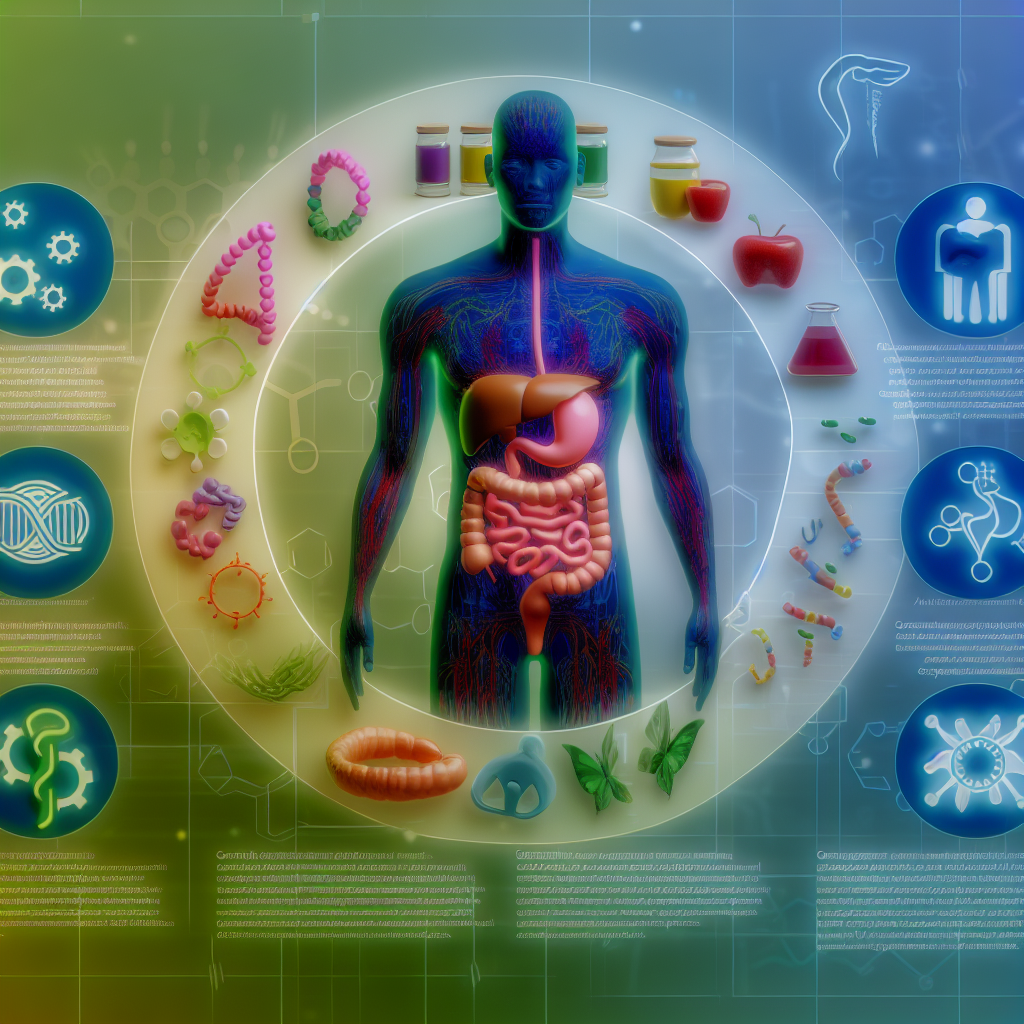
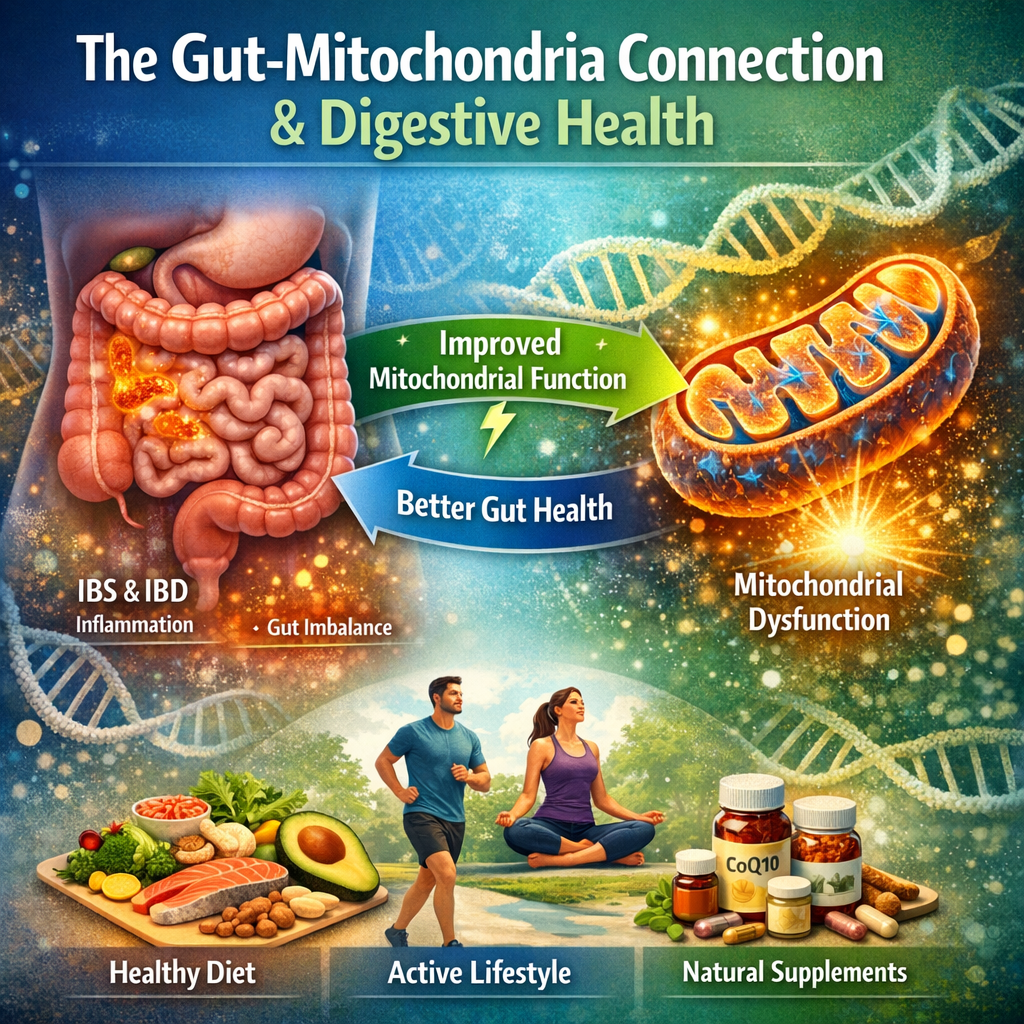
In the context of digestive health, recent studies have suggested that mitochondrial dysfunction may be at the heart of various chronic digestive disorders. Conditions such as irritable bowel syndrome (IBS), inflammatory bowel disease (IBD), and other functional gastrointestinal disorders have shown potential links to mitochondrial inefficiencies. This connection paints a picture where gut health is intricately linked to cellular mitochondria and their ability to function optimally.
One central theory proposes that mitochondrial dysfunction may lead to weakened gut barrier function, increased production of reactive oxygen species, and a heightened inflammatory response. These factors contribute to symptoms seen in many digestive disorders, suggesting a systemic perspective on gut health. Understanding this link opens avenues to novel therapeutic strategies, focusing on enhancing mitochondrial function as a pathway to addressing gut health challenges naturally.
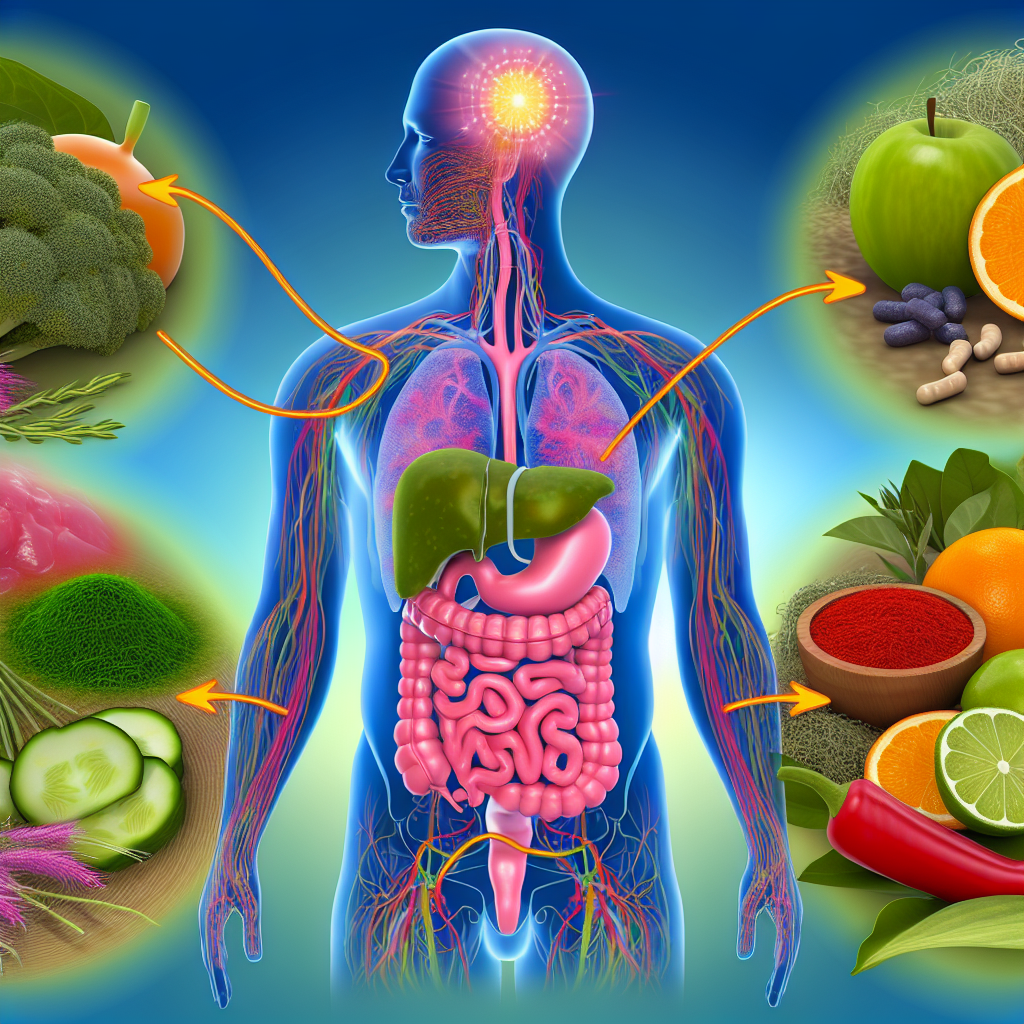
Furthermore, the symbiotic relationship between the gut microbiota and mitochondria underscores the relevance of lifestyle choices, diet, and the use of herbal treatments aimed at rejuvenating mitochondrial health. Foods rich in antioxidants, for instance, have shown potential in mitigating oxidative stress, while probiotics can modulate the gut flora to positively influence mitochondrial function. Items like fermented foods, omega-3 fatty acids, and specific herbal supplements like curcumin and resveratrol are gaining attention for their roles in supporting mitochondrial health, thereby fostering a healthier gut.
Features: Unpacking the Scientific Evidence
A growing body of research underscores the gut-mitochondria connection, detailing how mitochondrial dysfunction plays a role in chronic digestive disorders. A pivotal study published in “Nature Reviews Gastroenterology & Hepatology” sheds light on the clinical significance of mitochondria in gastrointestinal diseases, highlighting the impact of oxidative stress and inflammation in gut-related pathologies. The review suggests that targeting mitochondrial health could represent a novel therapeutic angle for managing such conditions.
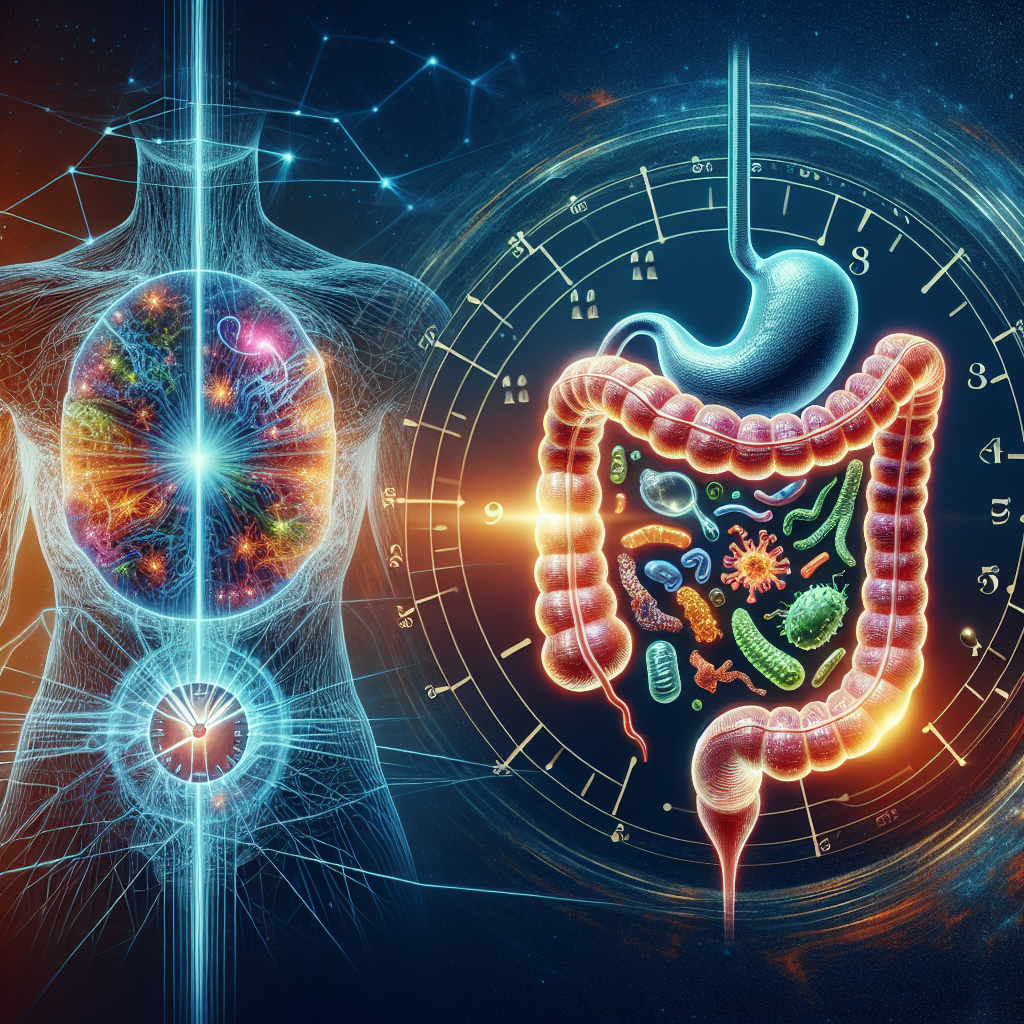
Furthermore, a study featured in “Mitochondrion” explores how mitochondria interact with the gut microbiota, highlighting their influence on immune response and inflammatory pathways. The researchers noted that dysfunction in mitochondrial bioenergetics could disrupt gut homeostasis and exacerbate disease progression. The paper emphasizes the need for deeper exploration into how modulating mitochondrial function can significantly impact gut health.
Another exciting area of exploration is the role of mitochondrial-targeted antioxidants. Novel compounds, specifically designed to accumulate within mitochondria, show promise in reducing oxidative stress and improving energy production, particularly within the cells of the gut lining. These advancements in therapeutic research propose that enhancing mitochondrial resilience might help alleviate symptoms associated with chronic digestive disorders.
Moreover, clinical trials are testing the efficacy of various natural supplements known for their mitochondrial-supporting properties. Curcumin, derived from turmeric, has demonstrated anti-inflammatory effects that may modulate mitochondrial function, contributing to better gut health. Similarly, omega-3 fatty acids are noted for their potential to stabilize mitochondrial membranes, reducing leakage of mitochondrial content that can lead to inflammatory responses within the gut.
Conclusion: Charting a New Course for Gut Health
The gut-mitochondria link exemplifies the intricate nature of human health, challenging us to move beyond traditional views of isolation in body systems. As research continues, embracing an integrative approach that targets mitochondrial health could revolutionize how we treat chronic digestive disorders. By incorporating lifestyle adjustments, dietary considerations, and herbal remedies, we empower ourselves to make meaningful strides in enhancing gut health. This dynamic interplay not only offers hope for innovative treatments but also affirms the body’s innate capacity for self-healing and resilience.
Concise Summary:
The emerging study of the gut-mitochondria link is reshaping our understanding of digestive health. Research suggests that mitochondrial dysfunction might drive chronic digestive disorders like IBS and IBD by compromising gut barrier function and heightening inflammation. This relationship highlights the potential of targeting mitochondrial health to address gut challenges naturally. Scientific evidence also points to lifestyle, diet, and herbal treatments, including antioxidants and probiotics, that can support mitochondrial and gut health. Overall, this integrative approach offers promise for innovative treatments and reinforces the body’s ability for self-healing.