The Role of Polyphenols in Modulating the Gut-Brain Axis for Chronic GI Disorders
Introduction
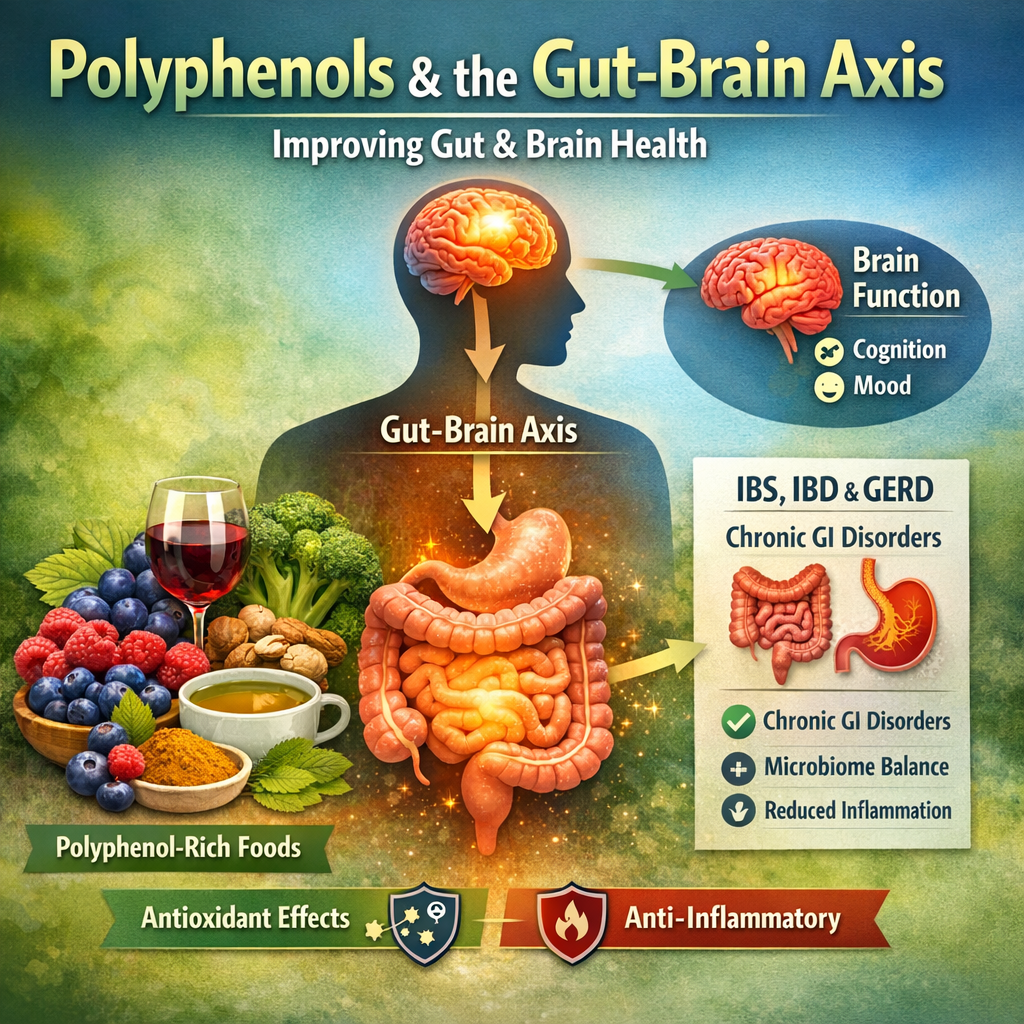
The connection between our gut and brain—known as the gut-brain axis—plays a critical role in maintaining our overall health. This bidirectional communication system influences everything from our mental wellbeing to our gastrointestinal (GI) functions. Chronic GI disorders such as irritable bowel syndrome (IBS), inflammatory bowel disease (IBD), and gastrointestinal reflux disease (GERD) are increasingly being connected with disturbances in this axis. While pharmaceuticals frequently address the symptoms, natural compounds like polyphenols are gaining attention for their potential to modulate this system holistically.
Polyphenols are micronutrients found abundantly in plant-based foods such as fruits, vegetables, tea, coffee, and wine. These compounds are known for their antioxidant properties, but recent studies suggest they play a far more complex role within our bodies, particularly in influencing gut health and its communication with the brain. The hypothesis is that polyphenols can support the gut-brain axis by enhancing gut microbiota diversity, modulating inflammation, and even influencing the nervous system directly.
Emerging research is uncovering how polyphenols can potentially alter the microbial composition of the gut, leading to improved gut barrier function and reduced systemic inflammation, both of which are critical factors in managing and potentially preventing chronic GI disorders. Moreover, these compounds may also affect the production and regulation of neurotransmitters, thus exerting direct and indirect effects on brain function.
The modulation of the gut-brain axis by polyphenols can be a promising avenue for therapeutic interventions targeting chronic GI disorders. For individuals seeking natural treatments, a diet rich in polyphenols could serve as a complementary approach to traditional medicine. By improving gut health and positively influencing the gut-brain communication, polyphenols may offer a pathway to better manage anxiety, depression, and cognitive function often linked with chronic GI conditions.
Features
Recent scientific studies have started to explore the potential of polyphenols in modulating the gut-brain axis. A study published in the journal [Nutrients](https://www.mdpi.com/journal/nutrients), for instance, highlights the impact of flavonoids—a type of polyphenol—on gut and brain health. It shows that flavonoids help maintain the structural integrity of the gut lining and support a healthy microbial balance. The study indicates that these compounds can reduce intestinal inflammation and oxidative stress, which are hallmarks of chronic GI disorders.
Moreover, research published in the [Journal of Agricultural and Food Chemistry](https://pubs.acs.org/journal/jafcau) has demonstrated the neuroprotective effects of polyphenols, supporting their role in modulating brain functions via the gut-brain axis. The study revealed that polyphenols can enhance brain-derived neurotrophic factor (BDNF) levels, a key player in maintaining neuron survival and cognitive function.
In a systematic review from the journal [Frontiers in Nutrition](https://www.frontiersin.org/journals/nutrition), scientists examined the role of polyphenols in regulating gut microbiota and their subsequent effects on the brain. The review concluded that regular consumption of polyphenol-rich foods could increase the abundance of beneficial bacterial strains such as Lactobacilli and Bifidobacteria. These probiotic microbes produce short-chain fatty acids (SCFAs) known to possess anti-inflammatory properties and improve gut-brain communication.
Together, these studies highlight the potential of polyphenols to serve as a natural therapeutic option for individuals dealing with chronic GI disorders. Through their action on gut microbiota, reduction of systemic inflammation, and enhancement of gut-brain dialogue, polyphenols can significantly improve health outcomes and foster a better quality of life.
Conclusion
The growing body of research underscores the vast potential of polyphenols in modulating the gut-brain axis, offering a natural avenue for managing chronic GI disorders. By promoting microbial diversity, reducing inflammation, and enhancing brain function, these compounds provide an integrative approach to health that complements traditional treatment protocols. Incorporating polyphenol-rich foods into one’s diet could be a proactive step towards enhancing gut health and supporting brain functions. As research continues, the fine-tuning of polyphenol-based approaches could hold the key to innovative treatments for GI disorders and beyond.
Concise Summary
Polyphenols, prevalent in plant-based foods, are emerging as key players in modulating the gut-brain axis and managing chronic GI disorders like IBS, IBD, and GERD. These compounds enhance microbial diversity, reduce inflammation, and support neurotransmitter regulation, offering a complementary approach to traditional treatments. Recent studies highlight polyphenols’ benefits, such as improving gut barrier function and reducing systemic inflammation. Incorporating polyphenol-rich foods into diets could enhance gut health and support brain functions, providing a natural treatment avenue that merits further research for innovative health solutions.
References:
1. [Nutrients – Impact of Flavonoids on Gut and Brain Health](https://www.mdpi.com/journal/nutrients)
2. [Journal of Agricultural and Food Chemistry – Polyphenols as Modulators of Brain Functions](https://pubs.acs.org/journal/jafcau)
3. [Frontiers in Nutrition – Polyphenols and Gut-Brain Interaction](https://www.frontiersin.org/journals/nutrition)