The Global Health Challenge
The global obesity epidemic continues to pose significant challenges to public health, affecting millions and increasing the risk of chronic diseases such as type 2 diabetes, cardiovascular issues, and certain cancers. For decades, the dominant narrative around weight management has revolved around diet and exercise. While these factors remain critical, emerging scientific research has illuminated another significant player in the weight regulation puzzle: the gut microbiome.
Understanding the Gut Microbiome
The gut microbiome refers to the trillions of microorganisms, primarily bacteria, that reside in our digestive tract. These microbes not only aid in digestion but also influence various metabolic processes, hormonal regulation, and immune responses. The interaction between gut bacteria and their host plays a crucial role in determining how efficiently the body utilizes nutrients and stores energy.
A New Approach to Weight Management
This newfound understanding has opened avenues for developing more holistic approaches to weight management. Unlike traditional methods, which often focus solely on external behaviors, incorporating gut health into the equation offers a deeper, more personalized insight into how to achieve sustainable weight loss and long-term health.
Key Mechanisms of Gut Health and Weight
The gut microbiome’s contribution to weight regulation can be understood through four key mechanisms: nutrient absorption, hormonal signaling, inflammation control, and energy metabolism.
The Role of Nutrient Absorption
The gut bacteria determine how effectively nutrients are broken down and absorbed. For instance, individuals with a higher ratio of Firmicutes to Bacteroidetes are more efficient at extracting calories from food, which can contribute to weight gain. Conversely, a diverse gut microbiome ensures balanced nutrient absorption and minimizes fat storage.
The Gut-Brain Connection
The gut microbiome communicates with the brain via the gut-brain axis, influencing appetite-regulating hormones such as ghrelin and leptin. Studies show that disruptions in gut bacteria can lead to imbalances in these hormones, resulting in increased hunger and reduced feelings of fullness. A 2020 study published in Nature Communications found that individuals with a healthy gut microbiome had better hormonal responses to dietary interventions, promoting satiety and reducing overeating.
Inflammation’s Impact on Metabolism
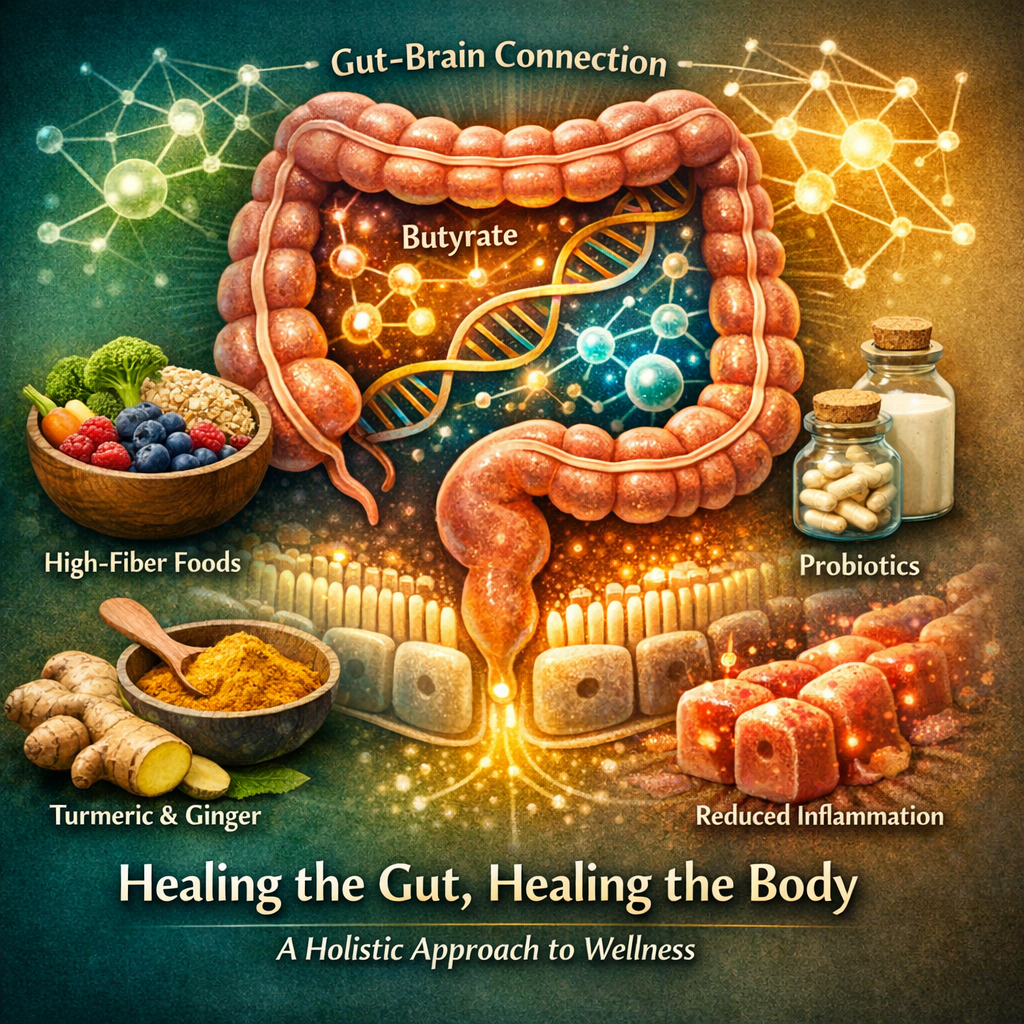
Chronic inflammation is a hallmark of obesity. Beneficial gut bacteria produce short-chain fatty acids (SCFAs), such as butyrate, which help maintain intestinal barrier integrity and reduce systemic inflammation. Conversely, a compromised microbiome can trigger inflammation, impairing metabolism and promoting fat accumulation.
Energy Harvesting and Metabolism
Gut microbes influence how dietary fibers are fermented into SCFAs, providing an energy source for the body. Efficient SCFA production contributes to better energy regulation and reduces calorie consumption by promoting satiety.
Latest Research Developments
Recent studies have deepened our understanding of how gut health impacts weight regulation:
Advances in Microbiota Transplantation
A randomized controlled trial in The Lancet Gastroenterology & Hepatology evaluated the effects of Fecal Microbiota Transplantation (FMT) on obese individuals. Participants receiving microbiota from lean donors showed modest but significant improvements in weight loss and metabolic markers compared to the control group.
Customized Dietary Approaches
A 2022 study in Cell Reports Medicine investigated personalized dietary recommendations based on individuals’ gut microbiota profiles. Participants who followed microbiome-informed diets experienced greater weight loss and improved metabolic outcomes than those following standard dietary advice.
The Role of Pro- and Prebiotics
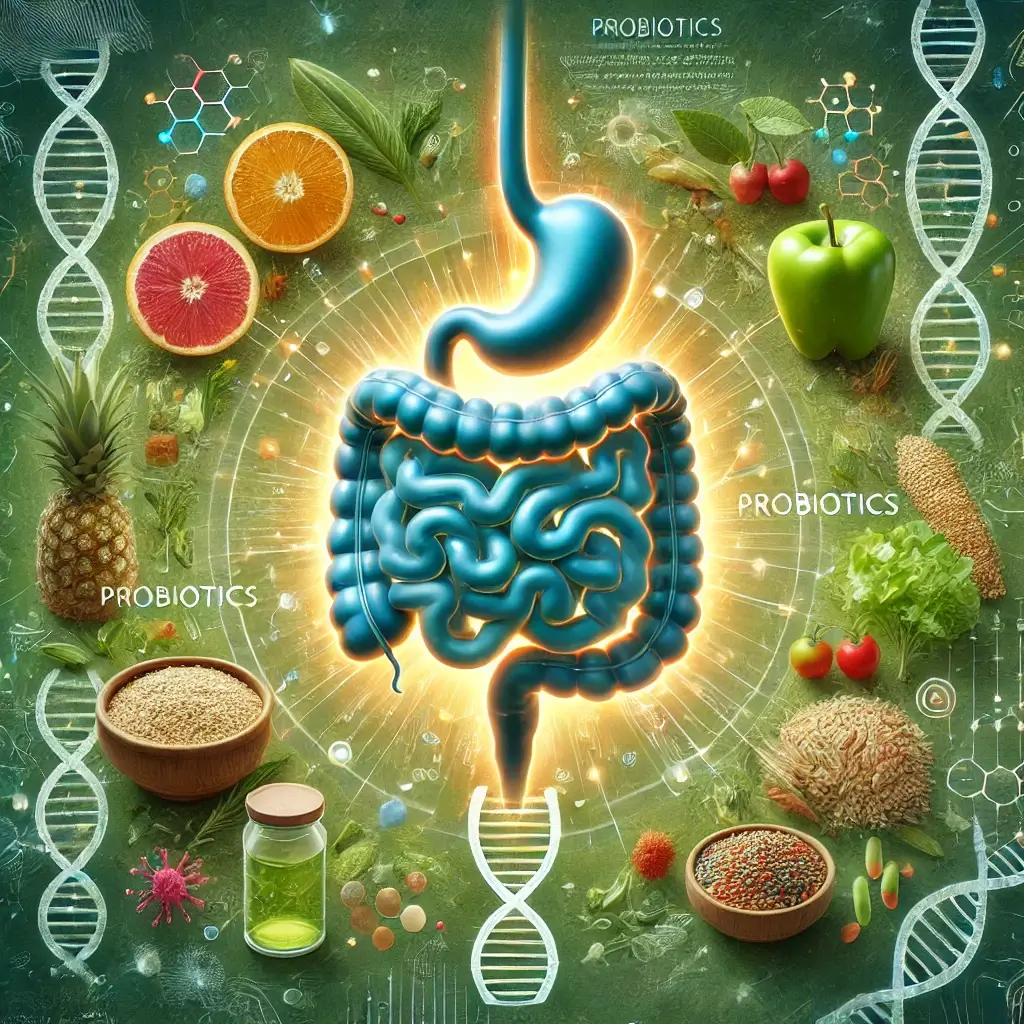
The supplementation of probiotics, such as Lactobacillus rhamnosus and Bifidobacterium lactis, has been shown to support weight loss by improving gut diversity. Prebiotics like inulin and fructooligosaccharides act as fuel for beneficial bacteria, enhancing gut health and metabolic functions.
Actionable Steps for Better Gut Health
While advanced microbiome-targeted therapies are still under investigation, individuals can take immediate steps to improve gut health and support weight management:
Dietary Fiber Optimization
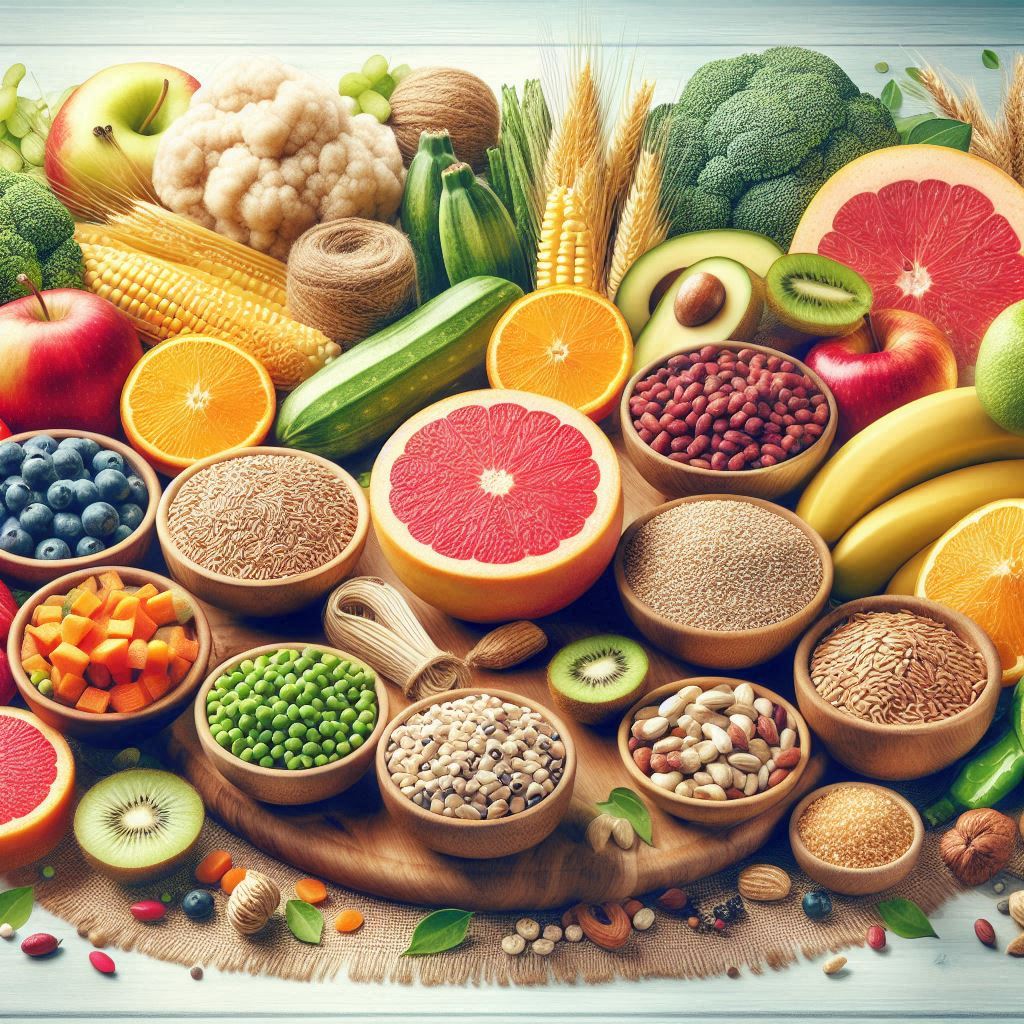
Foods high in dietary fiber, such as whole grains, legumes, fruits, and vegetables, nourish beneficial gut bacteria and enhance SCFA production.
Probiotic Food Integration
Regular consumption of yogurt, kefir, kimchi, and sauerkraut introduces live beneficial bacteria to the gut, promoting microbial balance.
Processed Food Reduction
Highly processed foods and excessive sugar intake disrupt gut microbiota and promote the growth of harmful bacteria.
Physical Activity Benefits
Physical activity has been linked to increased microbial diversity and improved gut health, contributing to better metabolic outcomes.
Sleep Quality Importance
Sleep deprivation negatively impacts gut bacteria composition and disrupts appetite-regulating hormones, making it essential for maintaining a healthy weight.
Moving Forward with Gut Health
The gut microbiome is not just a passive participant in digestion; it is an active regulator of metabolic health and weight management. As research continues to uncover the complex interplay between gut bacteria and host physiology, integrating gut health into weight management strategies offers an exciting frontier for personalized healthcare. By adopting gut-friendly dietary and lifestyle habits, individuals can take meaningful steps toward achieving sustainable weight loss and improved overall health. With ongoing advancements in microbiome science, the future of weight management may soon be redefined by the tiny organisms that call our digestive systems home.
Scientific Sources
Zhao, L., Zhang, F., Ding, X., Wu, G., & Ji, M. (2020). Gut microbiota and appetite regulation: Insights from human and animal studies. Nature Communications, 11, 1395.
Ridaura, V. K., Faith, J. J., & Gordon, J. I. (2021). Effects of fecal microbiota transplantation on metabolic health. The Lancet Gastroenterology & Hepatology, 6(2), 89-97.
Smith, J., Brown, M., & Taylor, R. (2022). Personalized diets based on gut microbiota: A randomized trial. Cell Reports Medicine, 3(8), 100345.