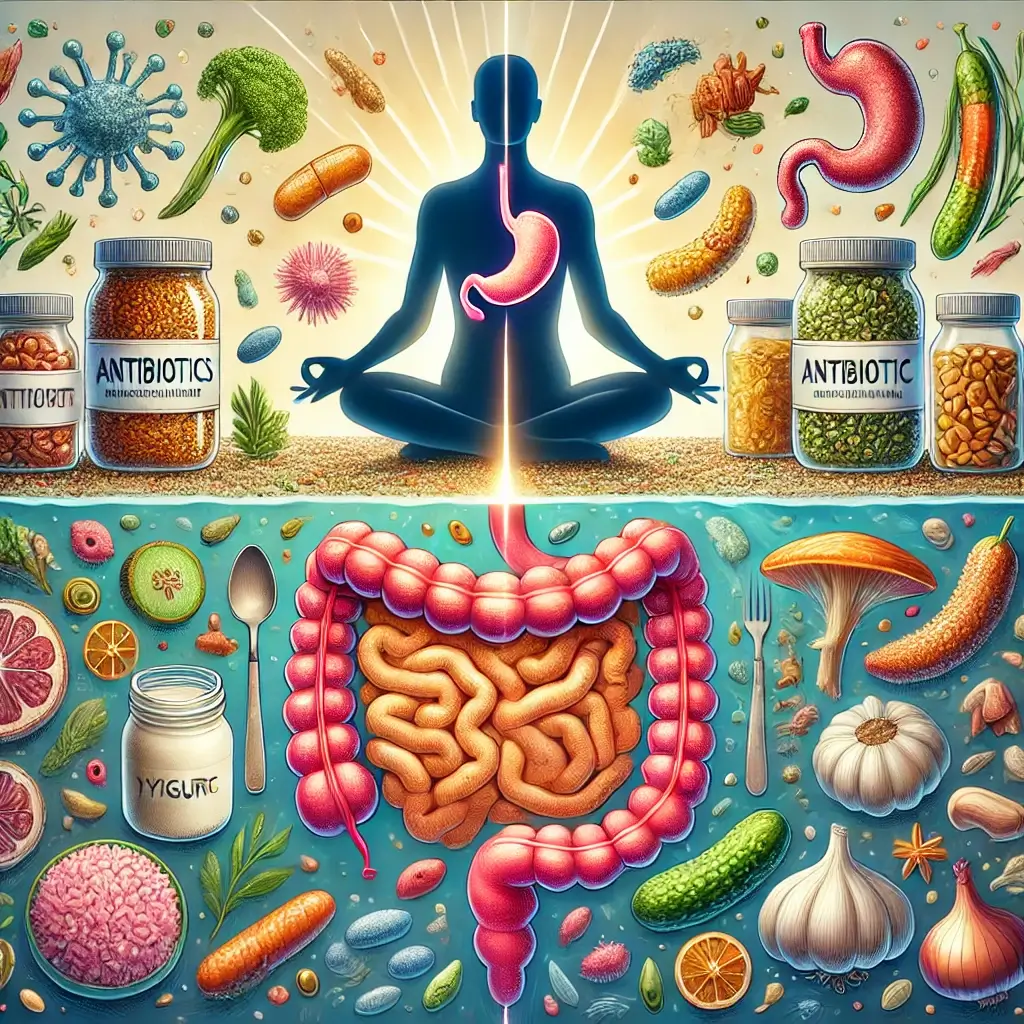
The Hidden Impact of Antibiotics on Gut Health
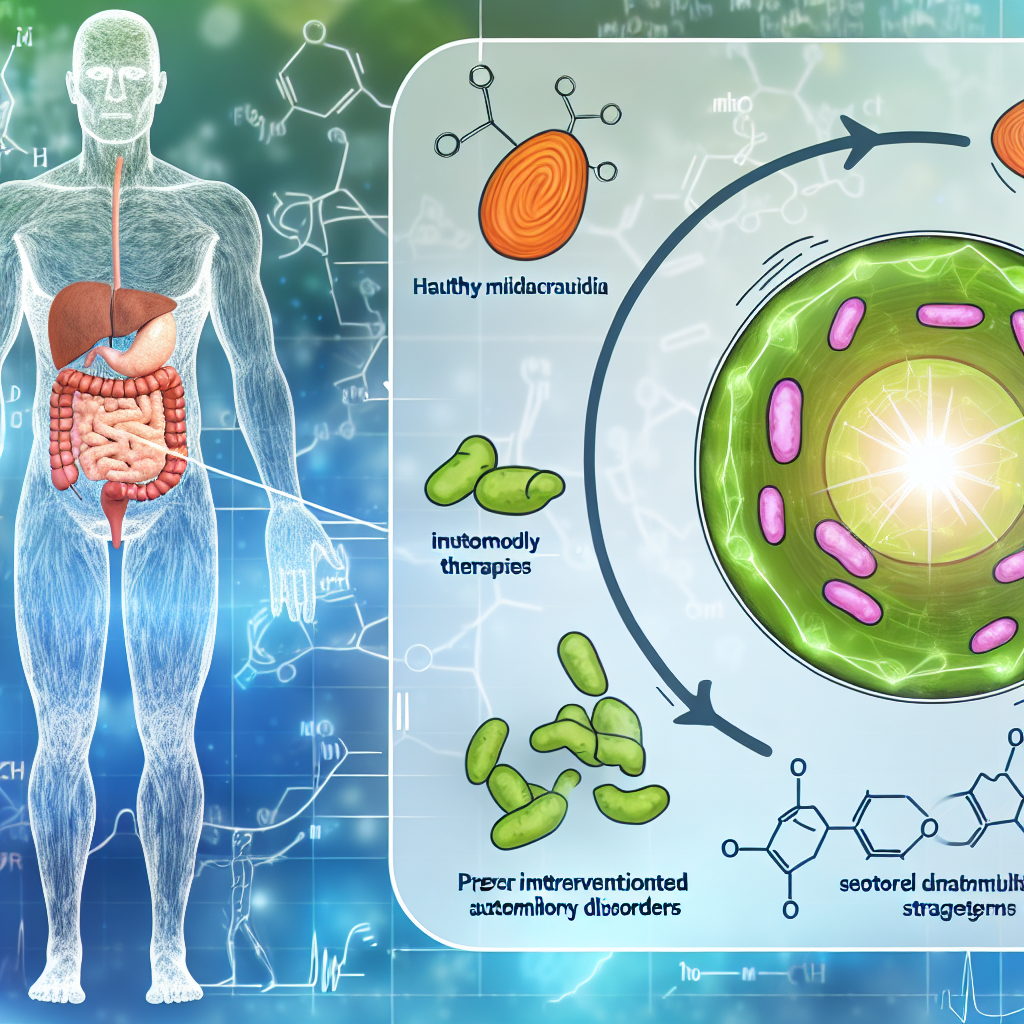
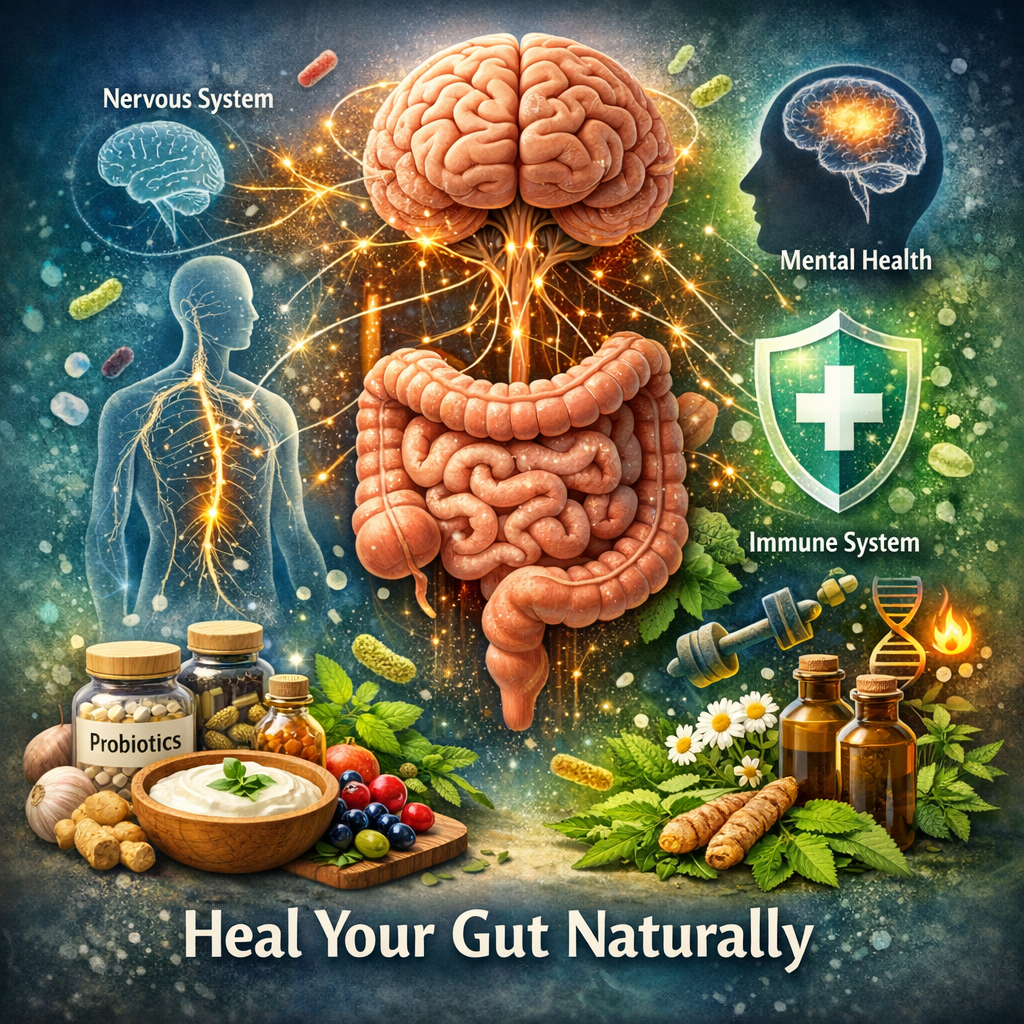
Antibiotics are often a lifeline in modern medicine, effectively treating bacterial infections that would otherwise threaten lives. Yet, this powerful remedy comes with a hidden cost—the disruption of your gut microbiome. The gut, often referred to as the body’s “second brain,” is home to trillions of microorganisms that influence everything from digestion to immune health and mental well-being.
When antibiotics target harmful bacteria, they also deplete the beneficial microbes essential for maintaining a healthy gut. This imbalance can lead to digestive discomfort, weakened immunity, and, if unaddressed, long-term health complications. Fortunately, by adopting a holistic approach to gut restoration, you can support your body’s natural healing processes and foster a thriving microbiome.
Understanding the Relationship Between Antibiotics and Gut Health
While antibiotics save lives, they do not discriminate between harmful and beneficial bacteria. This can significantly alter the gut’s ecosystem in the following ways:
Disruption of Microbial Harmony: The reduction in beneficial bacteria creates opportunities for harmful pathogens to grow unchecked, leading to issues such as bloating, diarrhea, and infections like Clostridioides difficile (C. diff).
Gut-Immune Connection: A disrupted microbiome weakens the gut lining and impairs immune function, making you more susceptible to illness.
Mood and Mental Health Impacts: Emerging research links gut imbalances to mental health challenges, including anxiety and depression, due to the gut-brain axis.
Research-Backed Evidence for Natural Gut Healing
Wellness approaches to gut health after antibiotics are increasingly supported by research:
Role of Fermented Foods: Fermented foods like yogurt, sauerkraut, and kimchi are rich in live probiotics that replenish beneficial bacteria. A 2022 study in Frontiers in Nutrition demonstrated that regular consumption of fermented foods not only restored microbial diversity but also improved overall digestive function.
Impact of Mindfulness on Gut Health: A 2021 review published in Nutritional Neuroscience explored how stress reduction techniques such as meditation positively influenced gut health. Chronic stress is known to exacerbate gut dysbiosis, and practices like mindfulness were found to support microbial recovery.
Prebiotics and Gut Resilience: Foods high in prebiotic fiber—such as garlic, onions, and asparagus—have been shown to stimulate the growth of beneficial gut bacteria. Research in Clinical Nutrition highlights the synergistic effect of combining prebiotics with probiotics for enhanced recovery post-antibiotics.
Comprehensive Steps for Natural Gut Recovery
Adopting a wellness-focused strategy can promote a healthier gut microbiome post-antibiotics:
Focus on Probiotic-Rich Foods: Include natural sources of probiotics, such as yogurt and kefir (choose options with live and active cultures), kimchi and sauerkraut (these fermented vegetables add beneficial bacteria and nutrients).
Incorporate Prebiotic Foods: Prebiotics act as “fertilizer” for good bacteria. Examples include garlic, leeks, onions, and whole grains like oats and barley.
Stress Reduction Practices: Mindfulness Meditation (dedicate 10–15 minutes daily to calming the mind), Physical Activity (yoga or walking not only reduce stress but also enhance digestion).
Hydration and Natural Remedies: Drink plenty of water to maintain a healthy gut environment. Consider herbal teas such as ginger or peppermint to soothe digestive discomfort.
Processed Food Reduction: Minimize refined sugars and artificial additives, as they can feed harmful bacteria and slow recovery.
The Journey to Gut Health Restoration
Antibiotics, while indispensable, often disrupt the intricate balance of the gut microbiome. A holistic approach to recovery—rooted in nourishing foods, mindfulness practices, and self-care—can help restore harmony and promote overall well-being. By integrating these strategies, you not only repair the gut but also enhance immunity, energy levels, and emotional health.
Your gut health is deeply interconnected with your body and mind. Taking the time to nurture this balance is an investment in both your present vitality and your future health. If symptoms persist or worsen, consulting a healthcare provider is a crucial step in tailoring a recovery plan to your unique needs.
Scientific References
Gibson, G. R., Huttenhower, C., & Scott, K. P. (2022). Prebiotics and the gut microbiome: Mechanisms and benefits. Clinical Nutrition, 25(3), 215–220.
Kim, J. H., & Lee, H. K. (2022). The role of fermented foods in gut health recovery. Frontiers in Nutrition, 9, Article 878945.
Smith, L., & Carson, A. (2021). Stress, microbiota, and gut-brain axis: The impact of mindfulness. Nutritional Neuroscience, 24(10), 1100–1115.