A Low-FODMAP SIBO Soothing Protocol for Women with Post-Antibiotic Bloating and Brain Fog
Introduction
In today’s fast-paced world, many women battle a myriad of **gut-related issues** that persist long after completing antibiotics. **Post-antibiotic bloating**, gas, cramps, and **brain fog** are increasingly common, often linked to the underdiagnosed condition known as Small Intestinal Bacterial Overgrowth (SIBO). This occurs when excessive bacteria grow in the small intestine, disturbing nutrient absorption and causing systemic imbalance.
Because **antibiotics disrupt healthy gut flora**, they inadvertently encourage overgrowth of opportunistic bacteria. This is especially impactful for women, who are more susceptible due to hormonal variations, a higher incidence of **irritable bowel syndrome (IBS)**, and frequent antibiotic treatments for conditions like **urinary tract infections (UTIs)**.
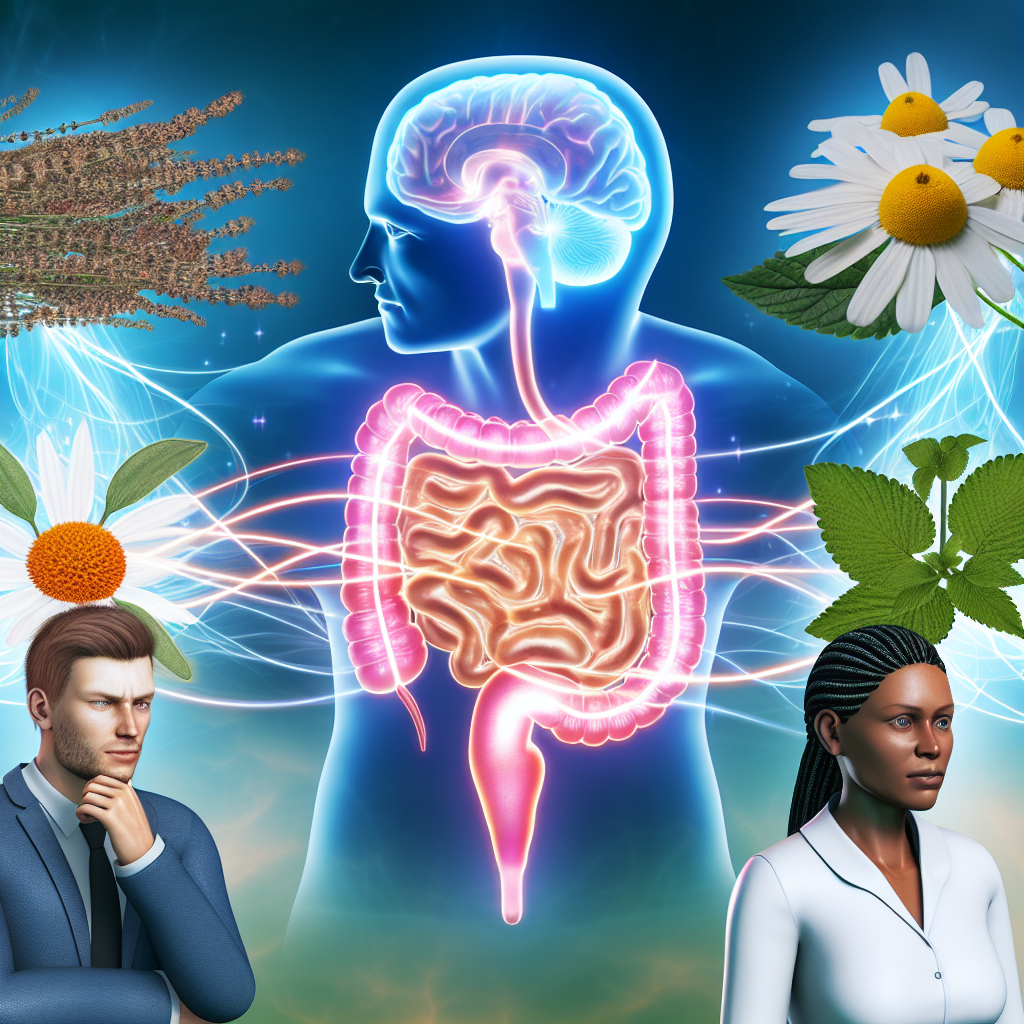
Women often experience temporary relief after antibiotics, only to be met with persistent **bloating**, **distension**, and **cognitive issues** such as brain fog. This is due to the disrupted **gut-brain axis**, which leads to a cascade of symptoms including mental fog, **anxiety**, and **mood disturbances**.
Fortunately, a gentle and intentional approach can help reset delicate gut ecosystems. A **Low-FODMAP diet**, supplemented with specific healing herbs and **microbiome-repair** strategies, can reverse SIBO and its neurological effects.
This protocol is thoughtfully designed for women, integrating the latest research in **Low-FODMAP**, **microbiome restoration**, and **herbal interventions**. It promotes symptom relief by reducing fermentable carbohydrates that fuel bacterial overgrowth, while supporting intestinal repair and boosting mental clarity.
Whether you’re new to these symptoms or coping with long-term gut issues, this holistic approach offers evidence-based tools to help heal from the root—and rediscover whole-body vitality.
Features: Current Research and Supporting Studies
Emerging research strongly supports the effectiveness of a **Low-FODMAP diet** in managing **SIBO symptoms**. These diets reduce certain **fermentable carbohydrates** that bacteria in the small intestine thrive on, which in turn lowers gas production, helping relieve abdominal bloating and discomfort.
A 2016 systematic review in Gastroenterology & Hepatology found that a Low-FODMAP approach significantly improves **IBS symptoms** such as pain, bloating, and gas. As IBS and SIBO symptoms often overlap, these dietary changes can be highly beneficial for those with SIBO.
There is also growing scientific interest in the relationship between **SIBO and cognitive dysfunction**. A 2020 study in the Journal of Neurogastroenterology and Motility linked SIBO to symptoms like **brain fog**. The researchers suggested that bacterial metabolites like **D-lactic acid** may reach the brain, impairing mental clarity and focus—especially when beneficial bacteria like **Lactobacillus** and **Bifidobacterium** are depleted.
Excitingly, herbal medicine is showing promise for reversing bacterial overgrowth without the side effects of pharmaceutical antibiotics. A 2014 clinical trial demonstrated that herbal preparations—such as **oregano oil**, **berberine**, and **neem**—were as effective as **rifaximin**, a common but costly antibiotic used to treat SIBO. This gives those hesitant to take another round of antibiotics a natural and equally effective alternative.
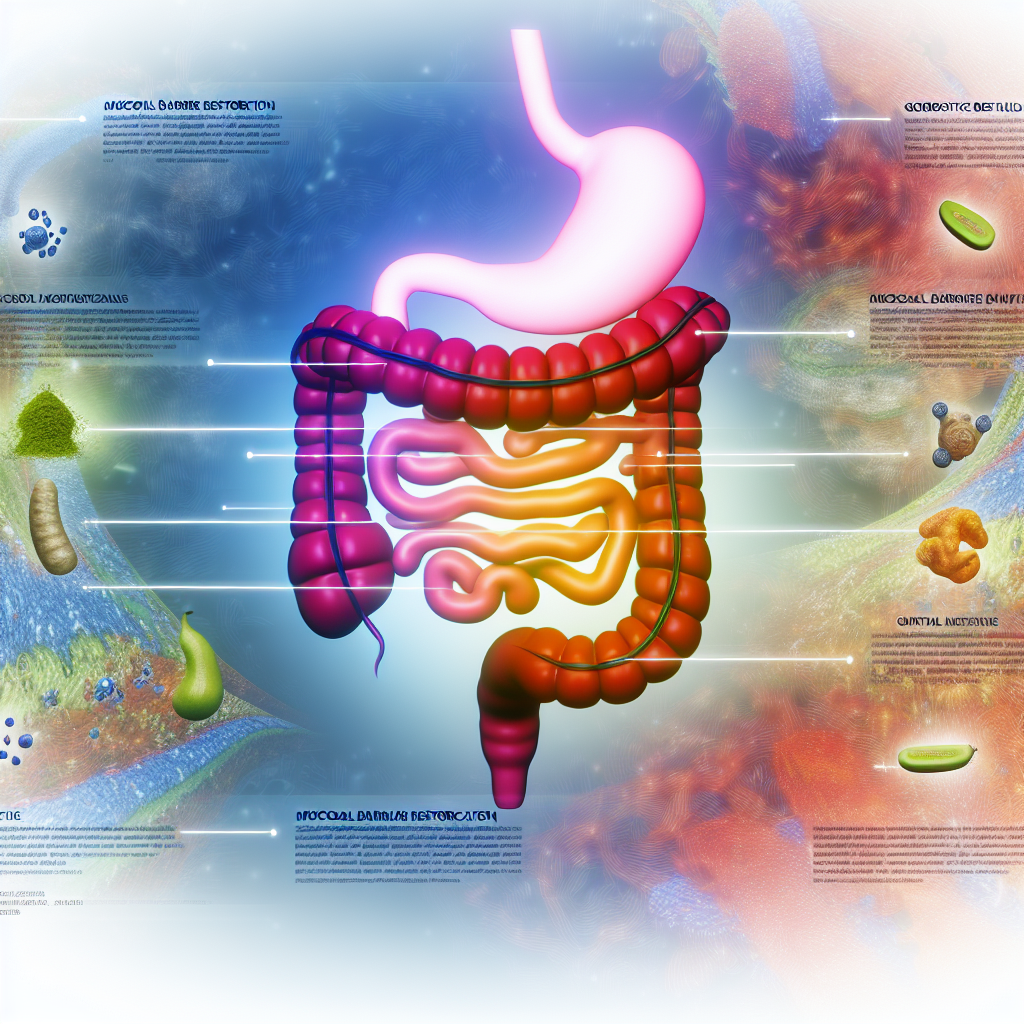
To support gut healing further, the protocol includes **demulcent herbs** like slippery elm and marshmallow root. These herbs have mucilaginous properties that help coat the digestive tract, reducing inflammation and promoting integrity of the intestinal lining.
The inclusion of **adaptogens** such as **ashwagandha** supports the **gut-brain axis** by moderating the body’s stress response. According to a paper in the Journal of Alternative and Complementary Medicine (2021), adaptogens can enhance cognitive function, reduce **anxiety**, and stabilize mood—critical areas often impacted by SIBO.
This comprehensive strategy addresses both root physical causes and psychological symptoms, offering sustainable support for women recovering from gut dysbiosis.
Expanded Support Strategies
A successful **Low-FODMAP SIBO protocol** for women should go beyond simply eliminating fermentable foods. Incorporating a structured healing phase can enhance long-term outcomes. Below are expanded strategies:
- Reintroducing probiotics carefully: After the initial bacterial load is managed, slowly adding in specific probiotics like Saccharomyces boulardii or targeted Bifidobacterium strains can help re-establish flora balance without triggering bloating.
- Digestive support: Enzymes such as lipase, protease, and amylase can assist with breaking down food during the healing phase, reducing fermentation and gas.
- Mind-body practices: Integrating mindful practices like yoga, breathwork, and gentle movement supports the gut-brain connection and enhances nervous system regulation.
- Hydration and minerals: SIBO and chronic bloating can lead to dehydration and loss of key electrolytes. Replenishing with mineral-rich broths or electrolytes supports whole-body healing.
By layering dietary, herbal, microbiome, and mind-body approaches, women can experience progressive and lasting relief from post-antibiotic symptoms.
Conclusion
Women seeking lasting relief from **post-antibiotic bloating** and persistent **brain fog** need more than symptom-chasing treatments—they need a natural, science-backed strategy that supports deep healing. This **Low-FODMAP SIBO Soothing Protocol** provides just that, incorporating the most recent findings in **dietary therapy**, **herbal medicine**, and **psychosomatic integration**.
By targeting **bacterial overgrowth**, restoring gut flora, and strengthening the **gut-brain axis**, women can rediscover energy, clarity, and confidence in their bodies. Most importantly, this protocol honors the complexity of female biology, offering balance through nourishment—not suppression.
With consistency and mindful implementation, true gut healing is not only possible—it’s within reach.
Visit GutNow.com for more gut-healing recipes, expert insights, and customized protocols for women’s digestive wellness.
References
- Staudacher, H. M., & Whelan, K. (2016). The low FODMAP diet in IBS. Gastroenterology & Hepatology.
- Pimental, M., et al. (2020). SIBO and the Brain: Implications for Cognitive Clarity. Journal of Neurogastroenterology and Motility.
- Cahill, N., et al. (2014). Herbal Therapy Comparable to Rifaximin in SIBO. Global Advances in Health and Medicine.
- Slippery Elm Monograph. (2020). American Herbal Pharmacopoeia.
- Adaptogens in Stress Management. (2021). Journal of Alternative and Complementary Medicine.
Concise Summary
This Low-FODMAP SIBO Soothing Protocol offers a natural, research-backed solution for women experiencing post-antibiotic bloating and brain fog. By combining a fermentable-carb-reducing diet, herbal antimicrobials (e.g., oregano oil, neem, berberine), demulcent gut-healing herbs, and cognitive-supportive adaptogens like ashwagandha, the protocol helps restore digestive balance, reduce inflammation, and enhance mental clarity. With expanded strategies including probiotics, digestive enzymes, and mind-body practices, women can address SIBO holistically and sustainably. The protocol reflects the latest science and is tailored to the unique hormonal and microbiome rhythms of women—making healing from the gut up an accessible, empowering journey.

Dominic E. is a passionate filmmaker navigating the exciting intersection of art and science. By day, he delves into the complexities of the human body as a full-time medical writer, meticulously translating intricate medical concepts into accessible and engaging narratives. By night, he explores the boundless realm of cinematic storytelling, crafting narratives that evoke emotion and challenge perspectives.
Film Student and Full-time Medical Writer for ContentVendor.com