Anti-Inflammatory Lipid Strategy: Balancing Omega-3, Omega-6, and Omega-9 for Mucosal Healing
**Gut health** has emerged as a focal point in the quest for improved wellness and disease prevention, with research continuously underscoring its critical role in overall health. At the core of optimizing gut health is the gut’s **mucosal lining**, a protective barrier comprising a thin layer of cells essential for nutrient absorption and defense against pathogens. Inflammatory conditions such as **irritable bowel syndrome (IBS)**, **inflammatory bowel disease (IBD)**, and even general **dysbiosis** commonly involve some level of mucosal injury or dysfunction. Therefore, strategies focused on healing and maintaining this barrier are indispensable.
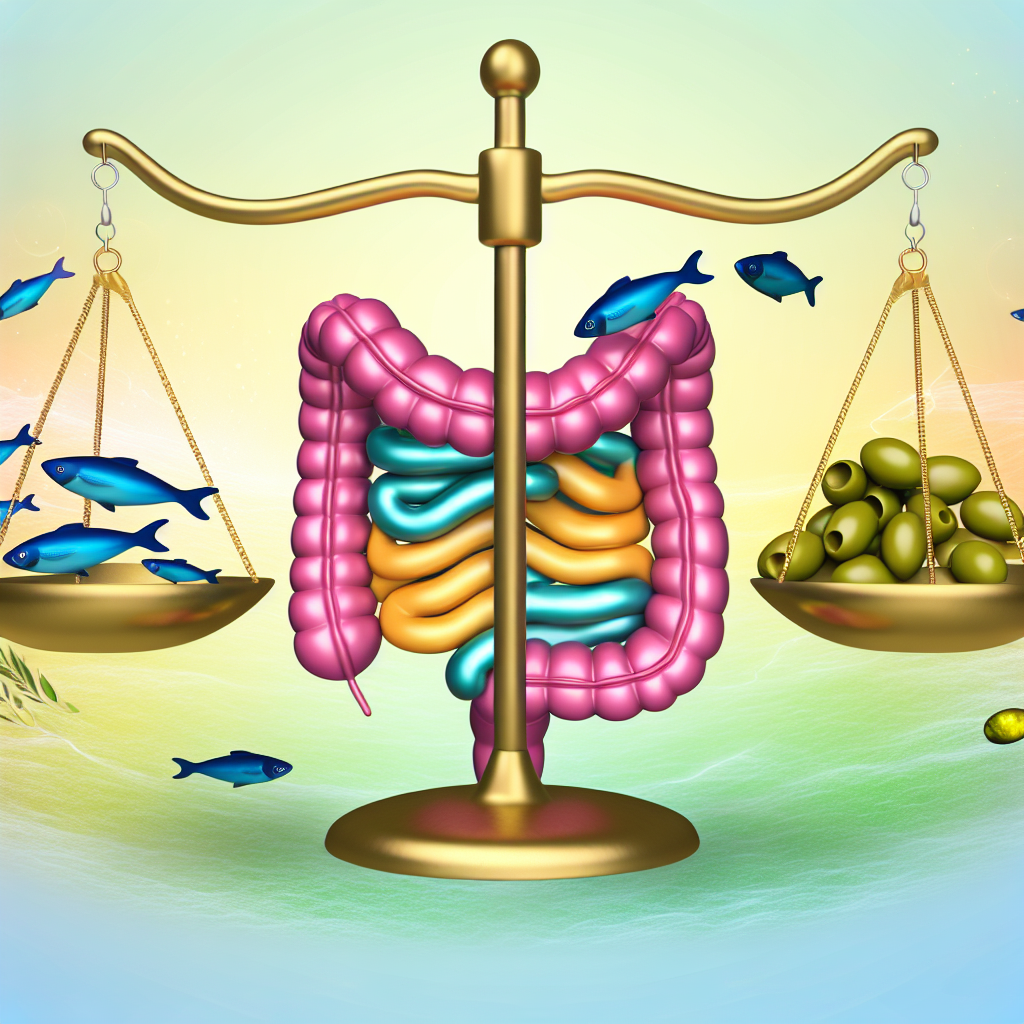
Among the cutting-edge approaches is the modulation of dietary lipids, particularly **omega fatty acids**, which have shown significant potential in supporting mucosal healing. **Omega-3**, **omega-6**, and **omega-9 fatty acids** are types of polyunsaturated and monounsaturated fats recognized for their roles in reducing inflammation, a critical factor in the healing of mucosal tissues. Each of these lipids has distinct physiological roles, and their balance is crucial for optimal gut health. **Omega-3s**, mainly found in fish oils, flaxseeds, and walnuts, are known for their potent anti-inflammatory properties, which can help reduce gut inflammation and support healing. **Omega-6 fatty acids**, found in many vegetable oils, also play a role in supporting body functions, but when consumed in excess relative to omega-3s, they can promote inflammation. **Omega-9 fatty acids**, mostly found in olive oil, contribute to maintaining a balance between the two and have been associated with reduced inflammation when integrated appropriately into the diet.
Understanding and leveraging the delicate balance of these fatty acids is essential for creating a dietary strategy that supports the integrity of the gut lining. This balance can contribute to an anti-inflammatory environment, promoting mucosal healing and thus enhancing overall gut health. As personalized nutrition becomes more mainstream, such lipid strategies offer promising avenues for those seeking natural approaches to gut health.
Features:
Cutting-edge research highlights the significant impact of **omega fatty acids** on inflammation and mucosal health. A study published in “Gastroenterology” by Knoch et al. (2012) demonstrated that **omega-3 fatty acids** help mitigate inflammatory markers in individuals with **ulcerative colitis** by enhancing anti-inflammatory prostaglandin production. This effect is primarily due to the conversion of **eicosapentaenoic acid** and **docosahexaenoic acid**, omega-3 derivatives that play a role in damping chronic inflammation.
Conversely, excessive **omega-6 fatty acids**, while essential for several bodily functions, are metabolized into **arachidonic acid**, which can increase inflammatory prostaglandins and leukotrienes when not balanced with omega-3s. The **Western diet**, high in omega-6 and low in omega-3 components, has been implicated in fostering inflammatory conditions owing to this imbalance. Ratios in Western diets can exceed 15:1 (omega-6: omega-3), whereas a balanced approach aims for ratios closer to 4:1 or even 1:1.
Emerging studies also emphasize the role of **omega-9 fatty acids**, particularly **oleic acid**, in fostering an anti-inflammatory profile beneficial for gut health. A paper published in the “Journal of Lipid Research” highlighted that omega-9 fatty acids could modulate inflammatory pathways and positively influence cholesterol levels, contributing to overall mucosal health by aiding in the reduction of inflammatory mediators.
Incorporating a balanced lipid profile can significantly impact those involved in gut health, creating a less hostile environment for healing and promoting resilience against gut-related diseases. The promise of integrating omega-3, omega-6, and omega-9 fatty acids in appropriate proportions is supported by these studies, providing a natural and dietary-based approach to enhancing mucosal integrity and, by extension, overall gut health.
Conclusion:
The balance of **omega-3**, **omega-6**, and **omega-9 fatty acids** presents a natural and accessible strategy for supporting mucosal healing and gut health. By incorporating foods rich in these essential fatty acids and maintaining appropriate ratios, individuals can create a conducive environment for healing and optimal gut function. This **anti-inflammatory lipid strategy** not only supports mucosal health but also aligns with broader nutritional goals for reducing systemic inflammation. As gut health continues to gain attention, the inclusion of balanced lipids stands out as a scientifically supported, natural avenue for individuals striving for better digestive health. Embracing a diet that harmonizes these omega fatty acids may therefore offer substantial benefits, empowering individuals to take control of their health in an informed and strategic manner.
Concise Summary
Balancing **omega-3**, **omega-6**, and **omega-9 fatty acids** is crucial for gut health, as these lipids help reduce inflammation and support mucosal healing. An imbalance, common in the **Western diet**, which often has too much omega-6 relative to omega-3, can worsen inflammation and related conditions like **IBS** and **IBD**. By integrating a balance of these fatty acids into your diet, you can promote an anti-inflammatory environment that supports gut integrity. This approach, supported by research, offers a natural, dietary method to enhance gut health and overall wellness.
References
– Knoch et al., “Omega-3 fatty acids enhance anti-inflammatory prostaglandin formation in ulcerative colitis patients,” Gastroenterology, 2012.
– Journal of Lipid Research, “The role of omega-9 fatty acids in inflammation modulation,” 2018.
– “The importance of omega-3/omega-6 balance in health,” Nutrition Journal, 2020.

Dominic E. is a passionate filmmaker navigating the exciting intersection of art and science. By day, he delves into the complexities of the human body as a full-time medical writer, meticulously translating intricate medical concepts into accessible and engaging narratives. By night, he explores the boundless realm of cinematic storytelling, crafting narratives that evoke emotion and challenge perspectives.
Film Student and Full-time Medical Writer for ContentVendor.com