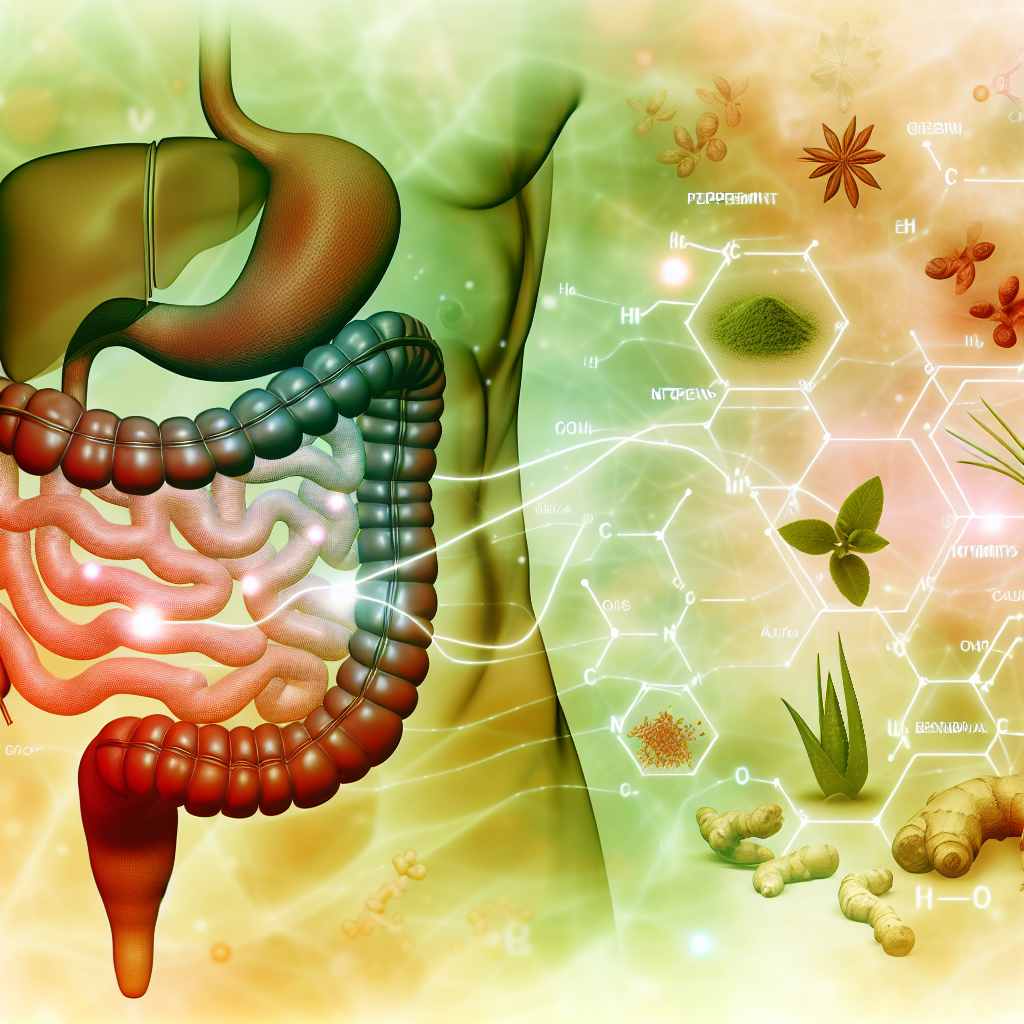
Best Natural Laxatives for Chronic Constipation – Gentle Daily Relief
Introduction
Chronic constipation is a prevalent and often underreported digestive issue that affects millions worldwide. Defined by infrequent bowel movements, straining, and a sense of incomplete evacuation for several weeks or more, it can lead to discomfort and decreased quality of life. While short-term constipation can often be managed with diet or over-the-counter remedies, long-term issues require a sustainable, gentle approach.
Natural laxatives offer a holistic alternative to harsh stimulants, helping restore regularity by supporting the body’s natural digestive processes. Ideal for individuals with conditions such as IBS or gut sensitivities, these remedies are fiber-rich, prebiotic-friendly, and promote a balanced gut microbiome.
Incorporating these natural agents into your lifestyle—alongside hydration, movement, and stress reduction—can lead to long-term improvements in digestive health. This article explores the most gentle and effective natural laxatives backed by both traditional use and modern science to help you find relief and regain gut balance.
1. Psyllium Husk (Plantago ovata)
Psyllium husk is a soluble fiber derived from the seed husks of Plantago ovata. It swells upon contact with water, forming a gel-like substance in the gut that adds bulk to stool and eases its passage.
A meta-analysis published in the World Journal of Gastroenterology showed that psyllium significantly improved stool frequency and consistency in patients with chronic idiopathic constipation and IBS. Unlike stimulant laxatives, psyllium works mechanically rather than chemically, making it safe for daily and long-term use.
To maximize benefits, start with a low dose (e.g., 1 tsp in water) and increase gradually, always consuming adequate fluids to prevent bloating or obstruction.
2. Flaxseeds
Flaxseeds are a natural laxative high in both soluble and insoluble fiber, making them excellent for regulating bowel movements. Their high fiber content creates stool bulk, while mucilage in the seed coats softens it.
In a study published in the Journal of Ethnopharmacology, flaxseed consumption led to improved stool output and mild laxative effects, without causing bloating or discomfort.
Flaxseeds are also rich in omega-3 fatty acids and lignans, which help reduce gut inflammation and promote microbial diversity. Use ground flaxseed for better absorption—1 to 2 tablespoons mixed into yogurt, oatmeal, or smoothies works well.
3. Prunes and Prune Juice
Prunes (dried plums) and their juice are classic digestive aids. Rich in dietary fiber and sorbitol, they work by drawing water into the colon, softening stool, and stimulating peristalsis. Additionally, sorbitol acts as a mild osmotic laxative.
A randomized trial in Alimentary Pharmacology & Therapeutics concluded that prunes were more effective than psyllium in increasing bowel movements and stool consistency for people with mild to moderate constipation.
Prunes also provide phenolic compounds with antioxidant benefits, reducing oxidative and inflammatory stress in the digestive system. For effective results, try eating 5–7 prunes daily, or ½ cup of prune juice in the morning.
4. Aloe Vera
Based on centuries of use in traditional medicine, aloe vera contains anthraquinones like aloin, which stimulate intestinal motility and improve bowel function. A study by BMC Gastroenterology supports its effectiveness in alleviating constipation symptoms, especially in patients with IBS-C (constipation-predominant IBS).
However, individuals should use aloe cautiously. Excessive intake or long-term use may result in electrolyte imbalances or dependence. Choose regulated aloe products labeled “decolorized” or “inner leaf only” and limit use to under two weeks unless supervised by a professional.
5. Magnesium Citrate
Magnesium citrate acts as a saline laxative by drawing water into the intestines, helping to soften and pass stool more easily. Unlike some harsher interventions, this mineral-based remedy aligns with the body’s rhythms and can be particularly effective when used occasionally.
A study in the European Journal of Clinical Nutrition linked higher magnesium intake with a decreased risk of chronic constipation.
Magnesium can be consumed from food sources like leafy greens, nuts, seeds, and bananas for ongoing prevention. For acute relief, a measured supplement (as instructed by a doctor) may be used, but avoid habitual use to prevent intolerance.
6. Senna Leaf (Senna alexandrina)
Derived from the Senna plant, senna is a potent herbal laxative best suited for short-term use. Sennosides, the active compounds, stimulate rectal contractions and reduce fluid absorption in the colon, effectively producing a bowel movement within hours.
A review in the Journal of Herbal Medicine confirmed the herb’s effectiveness but emphasized that it should not be used unsupervised for more than a few days due to potential dependency and depletion of electrolytes.
To reduce reliance, alternate senna with gentler options like psyllium or flax and reserve its use for travel, illness, or severe backup.
Conclusion
Chronic constipation often requires more than quick fixes—it demands a sustained approach that nurtures the gut. Natural laxatives like psyllium, flaxseed, prunes, and aloe offer relief by supporting digestion, softening stool, and encouraging healthy bowel movement patterns without the side effects common in stimulant laxatives.
When combined with a healthy lifestyle—adequate water, regular exercise, and stress control—these remedies can significantly enhance digestive function and quality of life.
Although these natural remedies are generally safe, always consult a healthcare provider before starting any new supplement—especially if you have pre-existing conditions or take medications.
Concise Summary
Struggling with chronic constipation? Discover the top natural laxatives like psyllium husk, flaxseeds, prunes, aloe vera, senna leaf, and magnesium citrate. These remedies offer gentle, long-lasting relief without harsh side effects—supporting your digestive health naturally. Ideal for ongoing use, they promote regularity, feed your gut microbiome, and work best alongside hydration, movement, and stress reduction. Learn which options are right for you and how to use them safely and effectively for better bowel wellness.
References
1. Rao SS, et al. (Dietary fibre and IBS – World J Gastroenterol)
2. Tarpila S, et al. (Effects of flaxseed on bowel function – J Ethnopharmacol)
3. Attaluri A, et al. (Prunes vs. psyllium for constipation – Aliment Pharmacol Ther)
4. Langmead L, et al. (Aloe vera for ulcerative colitis – BMC Gastroenterol)
5. Johanson JF, et al. (Magnesium and constipation – Eur J Clin Nutr)
6. Mowrey D. (Senna and gut motility – J Herbal Med)

Dominic E. is a passionate filmmaker navigating the exciting intersection of art and science. By day, he delves into the complexities of the human body as a full-time medical writer, meticulously translating intricate medical concepts into accessible and engaging narratives. By night, he explores the boundless realm of cinematic storytelling, crafting narratives that evoke emotion and challenge perspectives.
Film Student and Full-time Medical Writer for ContentVendor.com