Best Probiotics for C. Diff Recovery – Post-Infection Gut Restoration
Introduction
Clostridioides difficile, commonly known as C. diff, is a harmful bacterium that can lead to severe diarrhea, colitis, and even life-threatening inflammation of the colon. These infections often occur after the use of broad-spectrum antibiotics, which wipe out both harmful and beneficial bacteria in the gut. This disrupted microbial balance allows C. diff to thrive.
Standard treatment involves additional antibiotics such as vancomycin or fidaxomicin, which can unfortunately perpetuate microbial imbalance and increase the risk of recurrence. Up to 20–30% of patients experience recurring infections.
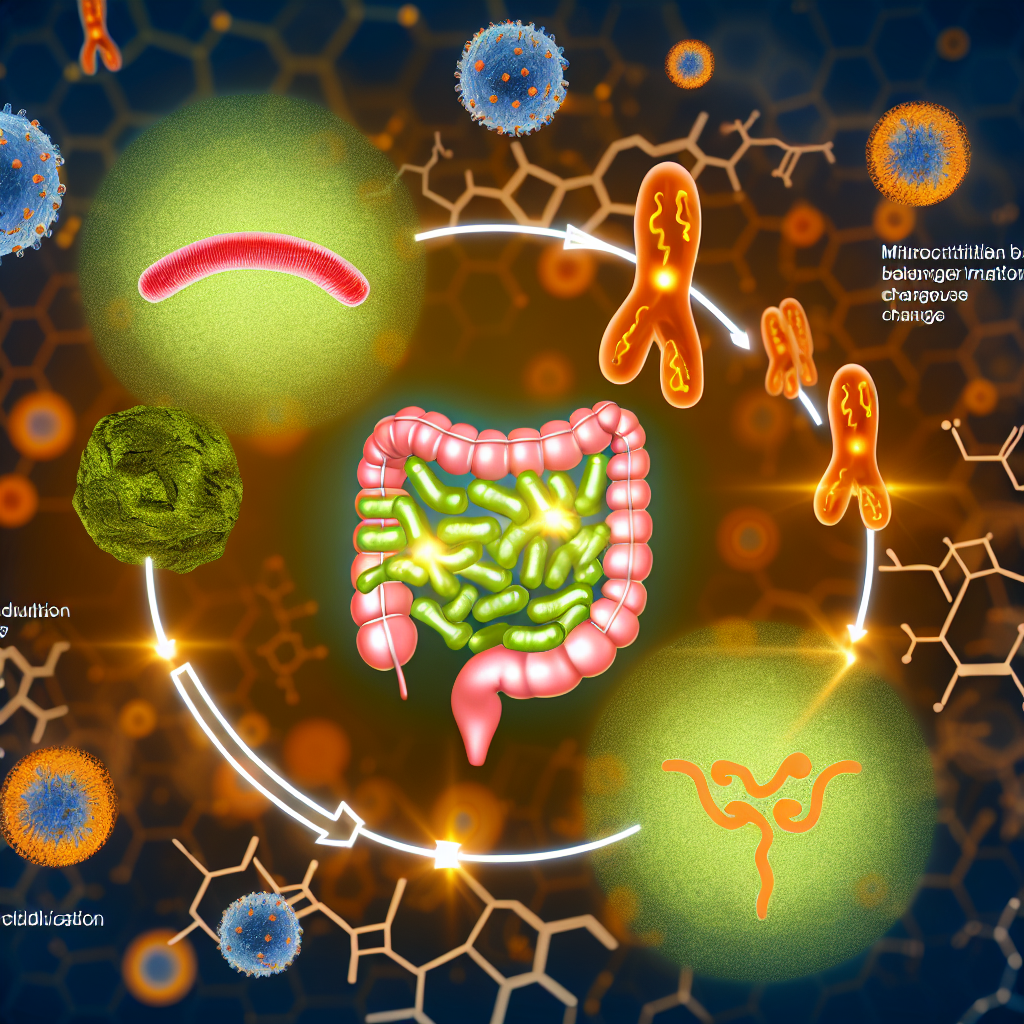
A promising adjunct in the effort to restore gut health involves the use of probiotics, which are live microorganisms that help re-establish the dominance of beneficial bacteria. Specifically selected strains may help inhibit the growth of C. diff, boost immune response, support colon health, and improve the integrity of the intestinal barrier.
Recovery from C. diff is not just about eliminating the pathogen, but also about healing and rebuilding the gut microbiome—a complex ecosystem crucial to overall health. This article will explore the top probiotic strains backed by research for C. diff recovery, how they function, and supportive natural therapies to enhance your gut’s healing journey.
Features and Research Review: Proven Probiotic Strains for C. Diff Recovery
1. Saccharomyces boulardii CNCM I-745
Saccharomyces boulardii is a probiotic yeast that stands out for its resilience during antibiotic use. This makes it an ideal therapeutic candidate for C. diff because it continues to work even while antibiotics are administered. According to a study published in the American Journal of Gastroenterology, co-administration with antibiotics significantly reduced recurrence rates in patients with C. diff.
It works by secreting proteases that deactivate the toxins (A and B) produced by the C. diff bacterium and prevents toxin binding at receptor sites in the gut. Additionally, it helps modulate the immune system and support mucosal barrier function.
► Read the study:
Saccharomyces boulardii in Combination With Antibiotics
2. Lactobacillus rhamnosus GG
Another powerhouse in probiotic therapy, Lactobacillus rhamnosus GG (LGG) is widely known for its ability to prevent antibiotic-associated diarrhea. Its remarkable adherence capabilities to the gut lining help it reinforce mucosal defenses and rebalance the microbiome disrupted by antibiotics.
A study from Clinical Infectious Diseases showed that patients who took LGG had significantly better outcomes in terms of recovery and fewer C. diff-related symptoms. Its immune-modulating abilities also make it an essential targeting strain in managing gut inflammation.
► Learn more from the study:
Lactobacillus rhamnosus GG and Digestive Health
3. Lactobacillus acidophilus and Bifidobacterium bifidum
L. acidophilus and B. bifidum are frequently paired in probiotic formulations due to their synergistic effects, especially in cases involving chronic or severe digestive disruption like C. diff. These strains support SCFA (short-chain fatty acid) production—particularly acetate and butyrate—which fuels colon cells and promotes gut healing.
They also play a role in decreasing gut pH, making the environment less conducive for C. diff proliferation. In a double-blind study published in Therapeutic Advances in Gastroenterology, this duo notably improved patient symptoms in those suffering from post-infection diarrhea.
► Reference the research:
L. acidophilus and B. bifidum in C. diff Treatment
4. Clostridium butyricum
Not to be confused with C. diff itself, Clostridium butyricum is a beneficial spore-forming probiotic known for producing butyrate—an essential SCFA that nurtures colonocytes and supports overall gut immunity.
Emerging evidence from Frontiers in Microbiology points to its significant role in restoring gut ecology, inhibiting C. diff colonization, and reducing inflammation. Because it’s spore-forming, this strain survives stomach acid and reaches the colon intact for maximum efficacy.
► Explore the science:
Clostridium butyricum Restores Mucosal Immunity
5. Multi-Strain Synbiotic Formulas
Combining multiple probiotic strains with prebiotics creates a synbiotic approach that provides both healthy microbes and the nutrients they thrive on. Formulations often include combinations like L. rhamnosus GG, S. boulardii, B. lactis, and fiber-based prebiotics such as inulin.
This multi-strain method improves colonization, supports microbial diversity, and enhances stool quality. Because different strains provide different benefits, synbiotic formulas can deliver a more rounded and effective recovery strategy.
Natural Adjunct Therapies to Support Gut Healing
While probiotics are the cornerstone of gut recovery post-C. diff, certain natural therapies can supercharge the healing process. Key adjuncts include:
- L-glutamine: An amino acid that helps rebuild the intestinal lining and reduces inflammation.
- Bone broth: Offers collagen, gelatin, and minerals essential for gut mucosal healing.
- Fermented foods: Sauerkraut, kimchi, and kefir repopulate the gut with beneficial cultures.
- Anti-inflammatory herbs: Turmeric, licorice root (DGL), and slippery elm soothe the irritated gut lining.
- Prebiotic foods: Jerusalem artichokes, leeks, and asparagus feed beneficial bacteria naturally.
- Hydration and stress reduction: Crucial factors for mucosal immunity and microbiota resilience.
Avoiding processed sugars is also essential, as sugar feeds pathogenic bacteria and promotes dysbiosis. A diet rich in polyphenols (from berries, pomegranate, green tea) further supports microbial balance and oxidative stress reduction.
Conclusion
Recovering from a C. diff infection involves more than wiping out the bacteria—it’s a complete restoration of the gut microbiome’s structure and function. The most effective approach includes integrating targeted probiotic strains, like Saccharomyces boulardii, Lactobacillus rhamnosus GG, and Clostridium butyricum, along with supportive lifestyle and dietary choices.
By taking a proactive and holistic stance—using probiotic and prebiotic synergy, natural anti-inflammatory agents, and microbiome-friendly nutrition—patients can improve digestive function, minimize recurrence risk, and cultivate lasting immune resilience. It is always best to work under the guidance of your healthcare provider when integrating therapeutic probiotics into your post-C. diff recovery plan.
Concise Summary
To recover from C. diff and prevent recurrence, targeted probiotic therapy is essential. Proven strains like Saccharomyces boulardii, Lactobacillus rhamnosus GG, and Clostridium butyricum help restore gut flora and reduce inflammation. These probiotics support intestinal healing, immune regulation, and toxin neutralization. Combined with natural adjuncts like L-glutamine, fermented foods, anti-inflammatory herbs, and prebiotics, they form an effective, holistic gut recovery strategy. Multi-strain synbiotic formulas further boost microbial diversity for better outcomes. Always consult your healthcare provider before starting probiotic supplementation during or after C. diff treatment.

Dominic E. is a passionate filmmaker navigating the exciting intersection of art and science. By day, he delves into the complexities of the human body as a full-time medical writer, meticulously translating intricate medical concepts into accessible and engaging narratives. By night, he explores the boundless realm of cinematic storytelling, crafting narratives that evoke emotion and challenge perspectives.
Film Student and Full-time Medical Writer for ContentVendor.com