Understanding the Human Gut’s Role in Overall Health
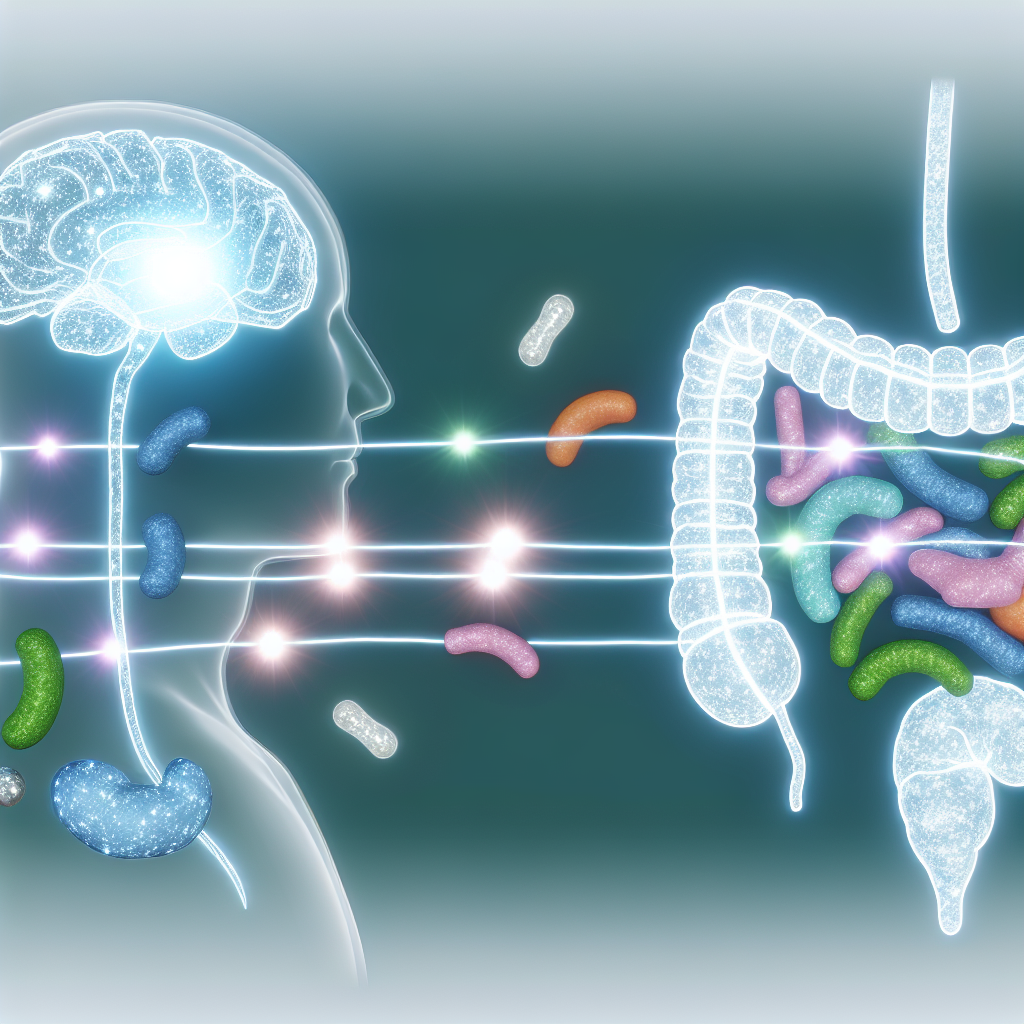
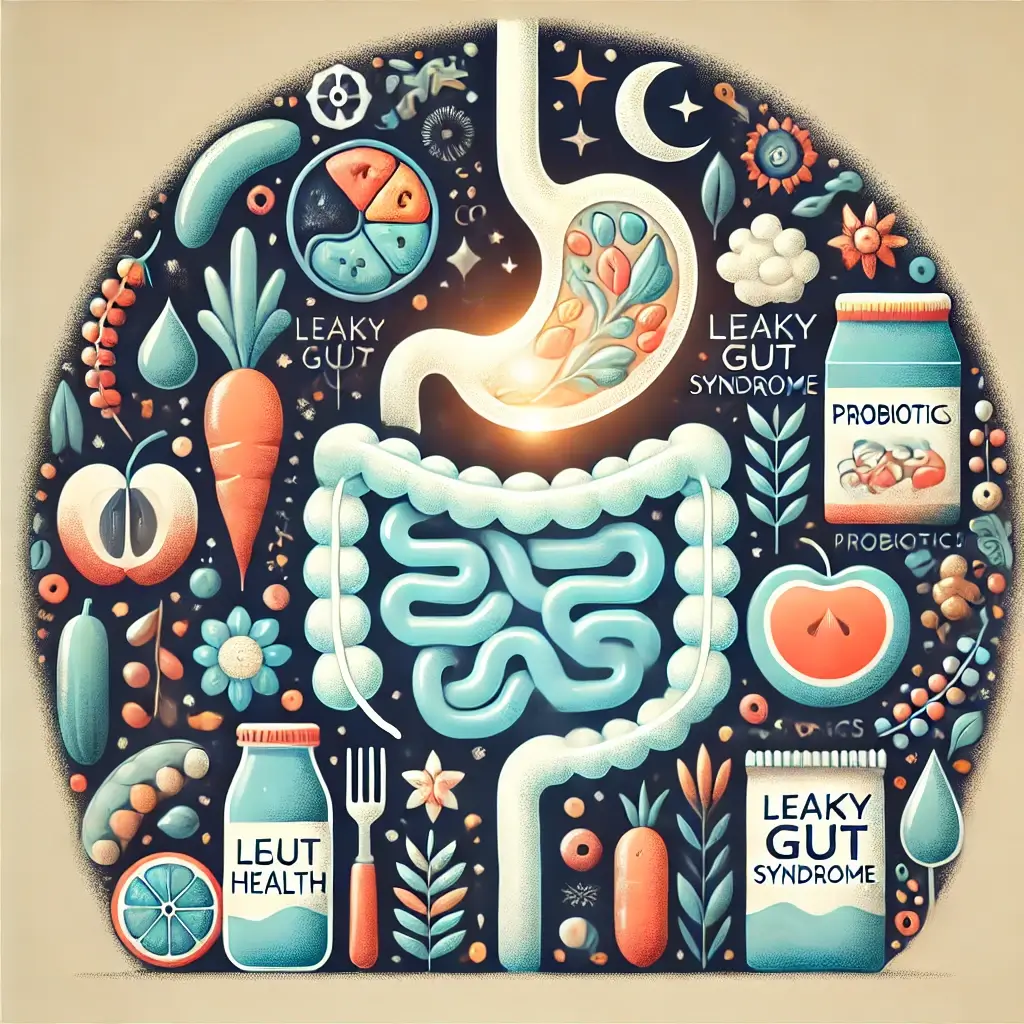
The human gut is not just a digestion powerhouse; it is the cornerstone of overall health, influencing immunity, mental well-being, and disease prevention. Among the many gut-related health topics, leaky gut syndrome has gained significant attention in recent years. This condition, characterized by increased intestinal permeability, suggests that a weakened gut lining allows undigested food particles, toxins, and microbes to pass into the bloodstream. While not officially recognized as a medical diagnosis, the symptoms attributed to leaky gut, such as bloating, fatigue, joint pain, and skin issues, affect millions of people worldwide.
The Gut Barrier and Its Impact on Health
The gut lining serves as a selectively permeable barrier, allowing essential nutrients to be absorbed while blocking harmful substances. However, factors such as a poor diet, chronic stress, antibiotic overuse, and environmental toxins can disrupt this barrier. Research is beginning to connect leaky gut with various chronic conditions, including autoimmune diseases, irritable bowel syndrome (IBS), and mental health disorders. For example, a 2016 review in Annals of Nutrition and Metabolism linked increased intestinal permeability to the development of autoimmune conditions, though more studies are needed to confirm this connection (Fasano, 2016).
Natural Solutions for Gut Health
Despite the ongoing debate in the medical community, addressing gut health through natural science-backed methods offers promising solutions. By making targeted dietary and lifestyle changes, individuals can foster a healthier gut environment and potentially reduce symptoms associated with leaky gut.
Evidence-Based Approaches to Healing Leaky Gut
Understanding Elimination Diets
Trigger foods like gluten, dairy, and processed sugar are common culprits of gut inflammation. A 2021 study in Nutrients found that following an elimination diet can significantly reduce markers of gut inflammation and improve symptoms of intestinal permeability (Martin et al., 2021). Identifying and removing food sensitivities with the help of a healthcare professional can provide a clearer path to recovery.
The Power of Probiotics and Prebiotics
Probiotic and prebiotic therapy are essential components of gut health. Probiotics are live beneficial bacteria that help restore gut flora, while prebiotics serve as their food source. Fermented foods such as kimchi, sauerkraut, and yogurt are excellent natural sources of probiotics. A 2020 meta-analysis published in Frontiers in Microbiology concluded that probiotics not only enhance gut barrier integrity but also reduce systemic inflammation markers associated with leaky gut (Sanders et al., 2020).
Benefits of Collagen-Rich Foods
Collagen, found abundantly in bone broth, is composed of amino acids like glycine and proline, which support gut lining repair. A 2017 study in Current Opinion in Clinical Nutrition and Metabolic Care highlighted the role of collagen peptides in improving intestinal health and reducing inflammation (Chung et al., 2017). Including collagen-rich foods in your diet may promote gut barrier healing.
The Role of L-Glutamine
L-glutamine supplementation, an essential amino acid, is critical for intestinal repair. Research has shown its effectiveness in reducing gut permeability and promoting mucosal healing in individuals with IBS and similar conditions (Rao & Samak, 2016). Foods like spinach, chicken, and fish naturally contain L-glutamine, and supplements can be taken under medical supervision.
Managing Stress for Gut Health
Chronic stress contributes to gut dysbiosis and weakens the intestinal lining. A study in Psychosomatic Medicine revealed that mindfulness-based stress reduction (MBSR) techniques improved gut-related symptoms in participants with functional gastrointestinal disorders (Kuo et al., 2022). Yoga, meditation, and deep breathing are accessible methods to combat the negative effects of stress on gut health.
The Importance of Sleep and Hydration
Sleep and cellular repair are essential for gut health. Poor sleep has been linked to gut microbiome imbalances and increased intestinal permeability. A 2020 review in Sleep Medicine Reviews emphasized the restorative role of sleep in maintaining gut health (Benedict et al., 2020). Similarly, staying hydrated ensures optimal digestion and supports the gut’s mucosal barrier.
Looking Forward
While leaky gut syndrome remains a topic of scientific inquiry, addressing gut health through natural interventions can lead to tangible improvements in well-being. From dietary changes to stress reduction and targeted supplementation, these strategies are backed by emerging research. As with any health condition, it is crucial to consult a healthcare provider to tailor these approaches to individual needs. By fostering a resilient gut, you can improve not only digestion but also immunity and overall vitality.
Scientific References
Benedict, C., Vogel, H., Jonas, W., et al. (2020). Gut microbiota and sleep—wake regulation. Sleep Medicine Reviews, 50, 101260.
Chung, H., Rasmussen, H. M., & Johnson, E. J. (2017). Lutein bioavailability is superior to that of beta-carotene in humans. Current Opinion in Clinical Nutrition and Metabolic Care, 20(6), 484–492.
Fasano, A. (2016). Leaky gut and autoimmune diseases. Annals of Nutrition & Metabolism, 69(Suppl 1), 1–9.
Kuo, B., & Chang, L. (2022). Mindfulness-based stress reduction for irritable bowel syndrome: A meta-analysis. Psychosomatic Medicine, 84(5), 478–489.
Martin, J., & Lopez-Garcia, E. (2021). Elimination diets and gut permeability. Nutrients, 13(6), 2078.
Rao, R. K., & Samak, G. (2016). Role of glutamine in protection of intestinal epithelial tight junctions. Clinical Nutrition, 35(5), 1081–1091.
Sanders, M. E., Merenstein, D. J., Reid, G., et al. (2020). Probiotics and prebiotics: Prospects for gut health. Frontiers in Microbiology, 11, 568878.