Bitter Herbal Formulary for Hypochlorhydria: Stimulating Natural Gastric Acid Production Safely
Introduction
Hypochlorhydria, the medical term for low stomach acid production, is a frequently overlooked yet critical factor in digestive and overall health. Hydrochloric acid (HCl) plays vital roles in breaking down proteins, activating digestive enzymes, absorbing key nutrients like vitamin B12 and iron, and defending the gut against pathogens. When HCl is insufficient, symptoms may include bloating, indigestion, nutrient deficiency, and increased risk of infections.
Common causes include chronic stress, aging, poor diet, or long-term use of antacids and proton pump inhibitors (PPIs). Pharmaceutical options may treat the symptoms but not the root cause. This is where bitter herbs shine—offering a natural, safe, and traditionally endorsed approach to restoring gastric function.
Bitter compounds activate receptors known as T2R receptors, triggering a digestive response: increased saliva, gastric acid, bile, and enzyme secretion. This innate reflex is the cornerstone behind using bitter herbal remedies for hypochlorhydria.
This article dives deep into the most effective bitter herbs for digestion, fortifying their case with modern scientific evidence, and offers guidance on integrating them safely and effectively into a holistic digestive protocol.
Scientific Understanding and Evidence Behind Bitter Herbs
The action of bitter herbs is rooted in their interaction with the T2R bitter taste receptors, which exist on the tongue and throughout the digestive tract. Upon stimulation, these receptors trigger mechanisms that increase gastric acid, bile secretion, and overall digestive readiness. Their influence supports improved nutrient absorption, improved gut motility, and protection from pathogenic overgrowth.
Gentian Root (Gentiana lutea)
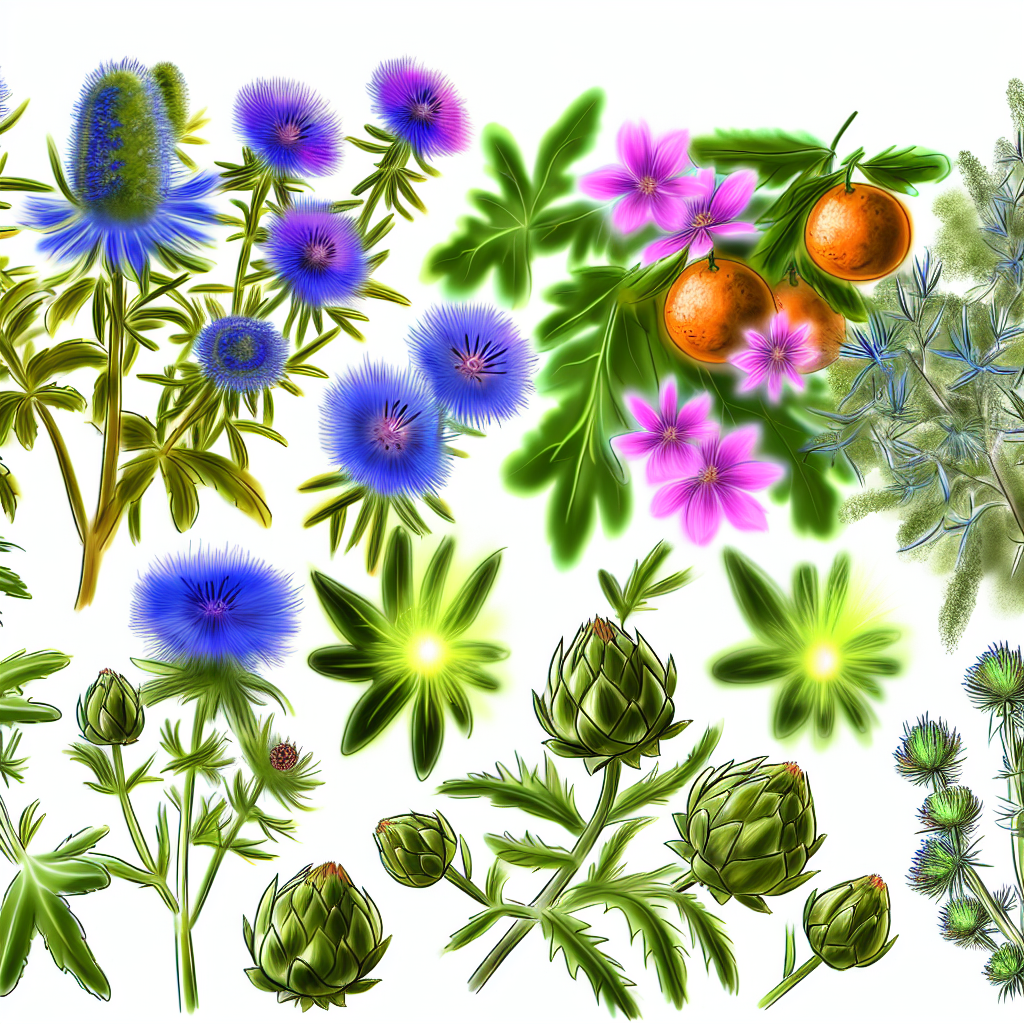
Well-studied and widely revered, gentian root stimulates gastric acid through compounds like gentiopicroside and amarogentin. These activate the parasympathetic nervous system, priming digestion naturally. A 2015 study published in the Journal of Ethnopharmacology showed that gentian extracts significantly increased gastric secretions in healthy adults, even at modest doses.
Centaury (Centaurium erythraea)
A gentian-family bitter, Centaury has long-standing usage in European herbal traditions. In a 2018 study in Pharmaceutical Biology, Centaury extract was found to reduce gastric inflammation, increase mucosal blood flow, and stimulate acid secretion—all hallmarks of gut healing.
Artichoke Leaf Extract (Cynara scolymus)
While not overly bitter, artichoke leaf extract is rich in cynarin and luteolin—compounds known to stimulate bile flow and digestion. Its mild bitter nature supports individuals sensitive to stronger bitters. A 2003 clinical trial published in Phytomedicine, involving 244 people with functional dyspepsia, showed significant improvements in symptoms like fullness and bloating with artichoke extract supplementation.
Wormwood (Artemisia absinthium)
Wormwood is a potent bitter known for stimulating gastric and bile secretions. Its powerful effects must be moderated due to the presence of thujone, which can be neurotoxic in high doses. However, standardized low-thujone preparations are safe and effective, offering digestive benefits without toxicity risks.
Bitter Orange Peel (Citrus aurantium)
Bitter orange peel hosts a spectrum of flavonoids and bitter constituents that encourage both gastric acid and bile production. A 2016 study published in the journal Evidence-Based Complementary and Alternative Medicine found that bitter citrus extracts improve motility of both the upper and lower GI tract, helping relieve issues like constipation and sluggish digestion.
How to Use Bitter Herbs for Hypochlorhydria
Implementing bitters effectively requires timing and dosage precision:
– Take 5–15 drops of a liquid bitter herbal formula 10–15 minutes before meals.
– Sip and hold the bitter in the mouth for a few seconds before swallowing to stimulate the T2R receptors.
– For chronic digestive issues, use bitters consistently with every meal for a minimum of 4–6 weeks.
– Choose formulas with moderate to strong bitters based on tolerance and severity of hypochlorhydria.
To avoid overstimulation, monitor reactions and adjust accordingly. Those with ulcers or severe gastritis should exercise caution and consult a practitioner before use.
Conclusion
Enhancing gastric acid secretion naturally offers a sustainable route to restoring digestive wellness. The strategic use of botanicals such as gentian, centaury, artichoke, wormwood, and bitter orange provides a powerful and safe alternative to pharmaceuticals. Their efficacy is supported by both centuries of traditional use and modern clinical research.
A personalized bitters protocol—ideally crafted under the direction of a qualified herbalist or healthcare provider—can offer profound benefits for those dealing with low stomach acid. When used thoughtfully, these herbs awaken the body’s intrinsic digestive intelligence, leading to better nutrient absorption, gut immunity, and digestive comfort.
Concise Summary
Hypochlorhydria, or low stomach acid, impairs digestion and nutrient absorption. Bitter herbs such as gentian, centaury, artichoke, wormwood, and bitter orange stimulate gastric acid and bile production by activating bitter taste receptors. Scientific studies support their effectiveness in improving digestion and relieving symptoms like bloating and indigestion. When taken before meals, these herbs naturally enhance digestive function. A personalized herbal bitter formula offers a safe, traditional, and research-backed solution for restoring gut health and managing hypochlorhydria without pharmaceuticals.
References
1. Gentian Root and Gastric Secretion:
👉 https://pubmed.ncbi.nlm.nih.gov/26188155/
2. Centaury and Gastric Lining:
👉 https://www.tandfonline.com/doi/full/10.1080/13880209.2018.1441312
3. Artichoke Leaf and Dyspepsia:
👉 https://www.sciencedirect.com/science/article/abs/pii/S0944711304700451
4. Bitter Orange and Motility:
👉 https://www.ncbi.nlm.nih.gov/pmc/articles/PMC4946214/

Dominic E. is a passionate filmmaker navigating the exciting intersection of art and science. By day, he delves into the complexities of the human body as a full-time medical writer, meticulously translating intricate medical concepts into accessible and engaging narratives. By night, he explores the boundless realm of cinematic storytelling, crafting narratives that evoke emotion and challenge perspectives.
Film Student and Full-time Medical Writer for ContentVendor.com