Circadian Fasting for Gut Motility: Timing Your Eating Window to Synchronize the Migrating Motor Complex
Introduction
Gut health is increasingly recognized as a pillar of overall wellbeing, and one important, yet often overlooked, component of gut function is gut motility. Gut motility refers to the movement of food and waste through the digestive tract—a process driven by synchronized muscular contractions within the gastrointestinal system. A key player in this process is the Migrating Motor Complex (MMC), a pattern of electromechanical activity that occurs during fasting states—typically between meals—to sweep residual undigested material through the GI tract. This natural “cleansing” mechanism is vital for preventing bacterial overgrowth and maintaining intestinal health.
In recent years, a growing body of research has drawn attention to the powerful impact circadian rhythms have on our digestive system. Circadian rhythms, or the body’s internal clock governed by the brain’s suprachiasmatic nucleus, regulate numerous biological processes, from hormone release to cellular repair. The gut, too, has its own clock, helping regulate everything from enzyme secretion and gastrointestinal pH to immune function and intestinal permeability.
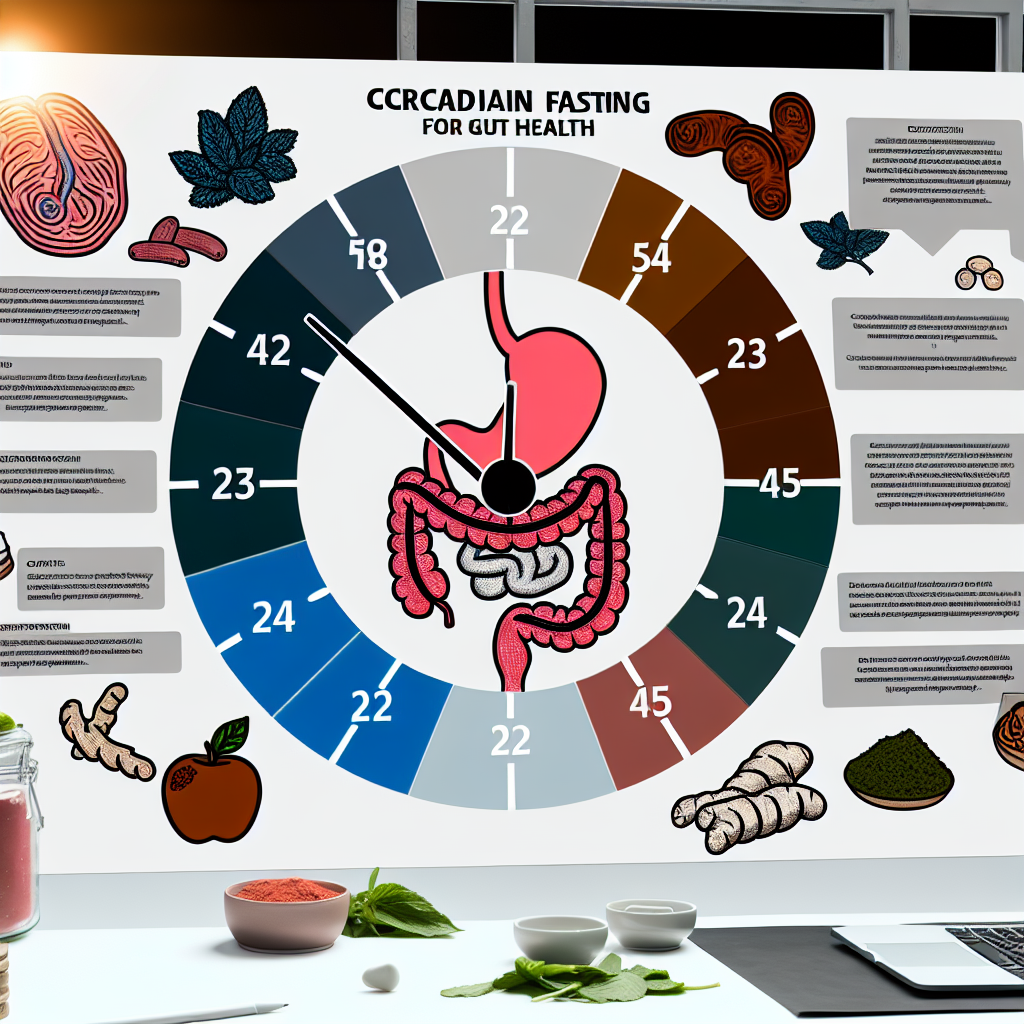
Circadian fasting, also known as time-restricted eating (TRE), is a dietary approach that aligns food intake with the body’s biological rhythms. It typically promotes meals within a 10- to 12-hour daily window—ideally earlier in the day. Unlike traditional calorie-counted diets, circadian fasting emphasizes “when” you eat more than “what” you eat.
By extending fasting periods between meals, especially overnight, this dietary pattern may enhance the gut’s MMC activity. As a result, individuals can experience improved motility, reduced bloating, a lower risk of small intestinal bacterial overgrowth (SIBO), and better digestive efficiency.
Natural health practitioners are increasingly recommending this timing strategy, not just for weight management or blood sugar control, but also for its often-overlooked benefits to gut health, motility, and detoxification. By enhancing MMC function, circadian fasting provides the gut with necessary restorative time between meals—an essential period for intestinal cleansing and balance.
Features and Supporting Research
Multiple scientific studies support the relationship between fasting, digestive motility, and circadian rhythms. The MMC initiates every 90 to 120 minutes following the completion of digestion. However, when eating occurs too frequently or late in the evening, this important cleansing process can be interrupted, leading to fermentation, excess gas, and microbial imbalance in the small intestine.
A 2010 study published in Neurogastroenterology & Motility describes the MMC as vital for intestinal housekeeping, noting that frequent eating or nighttime snacking can impair these cycles and contribute to dysbiosis and slowed motility.
Circadian fasting allows for longer fasting intervals, especially during the night when digestion slows, giving the MMC uninterrupted time to clear waste and bacteria from the digestive tract. This results in reduced bloating and improved regularity.
One pivotal 2018 study in Cell Metabolism demonstrated that participants who followed an early time-restricted eating window (8 a.m. to 2 p.m.) experienced improved metabolic health and reported greater gastrointestinal comfort than those who followed a conventional late eating schedule. These benefits are likely attributed to better activation of fasting-phase MMC cycles during prolonged evening and nighttime fasting windows.
Additionally, a 2020 review in Current Opinion in Endocrinology, Diabetes and Obesity notes that eating late at night not only disrupts glucose regulation but can also interfere with the gut’s microbial rhythms and motility functions. This reinforces the idea that aligning meals with the body’s natural light-dark cycle enhances digestive and overall health.
Another compelling piece of evidence comes from animal research. A 2014 study published in Cell found that gut microbiota shift in rhythmic patterns linked to feeding times and circadian cues. By controlling when food is consumed through circadian fasting, researchers were able to support stable microbiota and improve gastrointestinal resilience—a finding highly relevant to long-term digestive health and motility in humans.
Beyond fasting alone, natural remedies like herbal supplements may complement motility benefits. Botanicals such as ginger, peppermint, and artichoke leaf extract have been shown to stimulate MMC activity. When paired with properly timed eating windows, these herbs can help optimize gut cleansing and prevent stagnation of food and waste in the small intestine.
Conclusion
Circadian fasting offers a promising and natural strategy to enhance gut motility by synchronizing food intake with the body’s innate biological rhythms. Spacing out meals and avoiding late-night eating encourages the activation of the Migrating Motor Complex, which plays a critical role in clearing the digestive tract and preventing microbial imbalance. Emerging research underscores that timing our meals can improve not just metabolic health, but also gastrointestinal comfort, microbial balance, and digestive efficiency. This simple, non-invasive lifestyle change aligns with our evolutionary programming and offers a holistic path to optimal digestive health.
Concise Summary
Circadian fasting, also called time-restricted eating, aligns food intake with natural biological rhythms to enhance gut function. By spacing out meals—particularly avoiding late-night eating—the body’s Migrating Motor Complex (MMC) activates more effectively. This electromechanical process “cleanses” the GI tract between meals, reducing bloating, preventing bacterial overgrowth, and improving digestive efficiency. Studies show that early eating windows optimize MMC activity and gut microbiota rhythms. Combined with herbal support like ginger or peppermint, circadian fasting provides a safe, natural method to promote gut motility and maintain digestive health.
References
– Cell Metabolism. Early Time-Restricted Feeding Improves Insulin Sensitivity and Blood Pressure
– Cell. Microbiota Diurnal Rhythmicity Programs Host Transcriptome Oscillations

Dominic E. is a passionate filmmaker navigating the exciting intersection of art and science. By day, he delves into the complexities of the human body as a full-time medical writer, meticulously translating intricate medical concepts into accessible and engaging narratives. By night, he explores the boundless realm of cinematic storytelling, crafting narratives that evoke emotion and challenge perspectives.
Film Student and Full-time Medical Writer for ContentVendor.com