Enzyme-Targeted Support for Exocrine Pancreatic Insufficiency (EPI): Natural Cofactors and Activators
Introduction
Exocrine Pancreatic Insufficiency (EPI) is a digestive disorder arising from inadequate enzyme production by the pancreas, impairing proper digestion and nutrient absorption. Common causes include chronic pancreatitis, cystic fibrosis, pancreatic cancer, and gastrointestinal surgeries. Symptoms may include bloating, weight loss, fatty stools (steatorrhea), and chronic diarrhea, significantly impacting quality of life.
The standard treatment, Pancreatic Enzyme Replacement Therapy (PERT), delivers supplemental enzymes like lipase, protease, and amylase to aid digestion. While clinically effective, PERT has limitations including high cost, compliance issues, and its inability to restore native pancreatic function. Therefore, natural strategies that stimulate residual enzyme production, reduce inflammation, and support gut health offer complementary avenues of support for individuals with EPI.
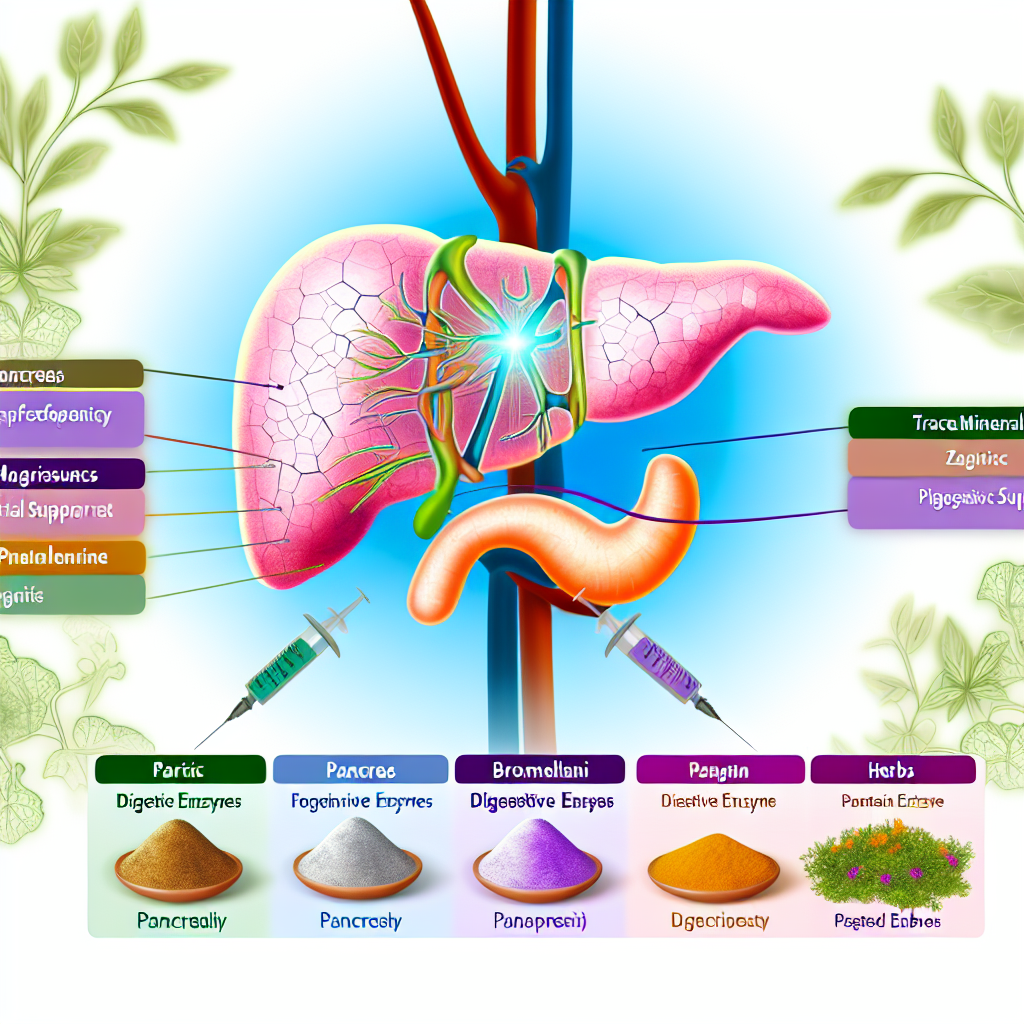
Nature provides potent tools—trace minerals, botanicals, and fermented foods—that may enhance digestive enzyme effectiveness, stimulate secretions, modulate inflammation, and strengthen pancreatic resilience. These interventions help restore digestive balance and potentially slow disease progression, especially when combined with conventional treatment or used in early-stage management.
Natural Enzyme Cofactors, Activators, and Their Clinical Relevance
Cofactors and minerals such as magnesium, zinc, and selenium are essential for enzyme function. A 2015 article in Frontiers in Physiology emphasizes that zinc stabilizes metalloenzymes, supports secretion of key digestive hormones like secretin and cholecystokinin, and protects the gut lining. Magnesium contributes to over 300 enzymatic reactions, including those vital for digestion and energy metabolism.
▶ Reference:
Frontiers in Physiology, 2015
Proteolytic enzymes like bromelain (pineapple) and papain (papaya) not only support protein digestion but also exhibit anti-inflammatory effects. In models of gastrointestinal disease, bromelain supplementation reduced colon inflammation and improved gut health.
▶ Reference:
Nutrients, 2020
Ginger and turmeric (curcumin) are potent botanical agents used traditionally to aid digestion. Ginger enhances gastric emptying and stimulates bile and enzyme secretion. Curcumin demonstrates anti-inflammatory and anti-fibrotic properties, making it valuable for protecting pancreatic tissue and preserving functionality in chronic conditions.
▶ Reference:
ClinicalTrials.gov – NCT01779117
Artichoke leaf extract stimulates bile flow, aiding fat digestion—a vital function compromised in EPI. A 2003 study showed that supplementation with artichoke extract improved subjective digestive comfort and bile production, enhancing fat emulsification.
▶ Reference:
Alternative Medicine Review, 2003
Fermented foods such as kefir, kimchi, sauerkraut, and tempeh naturally contain enzymes and probiotics. These can aid in breaking down food and improving gut flora balance—two issues affected by EPI. Probiotic supplementation can also help reduce bloating, support immunity, and stabilize the gut microbiota, as demonstrated in a 2016 study.
▶ Reference:
World Journal of Gastroenterology, 2016
Adaptogenic herbs like ashwagandha and licorice root address physiological stress, which can negatively affect gastrointestinal function. By modulating adrenal hormones like cortisol and improving metabolic equilibrium, these herbs may optimize the internal environment needed for more robust pancreatic secretions.
Expanded Considerations for EPI Management
Many individuals with EPI face complications beyond digestion, such as micronutrient deficiencies and gut dysbiosis. Nutrients like vitamins A, D, E, and K (fat-soluble vitamins) often require specialized delivery due to poor fat absorption. Supplementing these in emulsified or micellized formats may improve bioavailability.
Also noteworthy is the interaction between gut inflammation and EPI. Chronic inflammation can lead to mucosal damage and worsen malabsorption. Targeting inflammatory mediators through diet and herbs (e.g., omega-3 fatty acids, curcumin, and ginger) becomes vital in maintaining integrity of the digestive tract.
Conclusion
The standard approach of pancreatic enzyme replacement therapy remains a mainstay in treating Exocrine Pancreatic Insufficiency, but there is growing evidence supporting complementary natural strategies. Trace elements—especially zinc and magnesium—help catalyze enzyme function, and proteolytic enzymes like bromelain and papain may compensate when pancreatic output is insufficient. Botanicals such as turmeric, ginger, and artichoke extract support overall digestive functionality and reduce inflammation. Moreover, the use of probiotics and adaptogens further contributes to gut resilience and systemic balance.
As research progresses, a holistic, integrative strategy combining clinical therapy and natural interventions may provide the most effective outcomes in supporting pancreatic function and overall digestive health.
Concise Summary
Exocrine Pancreatic Insufficiency (EPI) compromises digestion due to inadequate enzyme production. While conventional enzyme therapy is effective, natural interventions offer key supportive roles. Nutrients like zinc and magnesium act as enzymatic cofactors, while bromelain, papain, ginger, and turmeric enhance digestion and reduce inflammation. Artichoke extract aids fat emulsification, and probiotics improve gut health. Adaptogenic herbs manage stress, further supporting pancreatic function. These natural strategies, when integrated with traditional treatments, provide a comprehensive approach to enhancing nutrient absorption, digestive comfort, and long-term health in EPI patients.
References
1. Frontiers in Physiology (2015) – Micronutrient Interactions With Enzymes
2. Nutrients (2020) – Anti-inflammatory Effects of Bromelain
3. ClinicalTrials.gov – Study Testing Curcumin in Chronic Pancreatitis
4. Alternative Medicine Review (2003) – Artichoke Extract and Dyspepsia
5. World Journal of Gastroenterology (2016) – Probiotics in Pancreatic Disorders

Dominic E. is a passionate filmmaker navigating the exciting intersection of art and science. By day, he delves into the complexities of the human body as a full-time medical writer, meticulously translating intricate medical concepts into accessible and engaging narratives. By night, he explores the boundless realm of cinematic storytelling, crafting narratives that evoke emotion and challenge perspectives.
Film Student and Full-time Medical Writer for ContentVendor.com