Fennel Seeds for Bloating – Carminative Spice Medicine
Introduction
Digestive discomfort is a common issue for millions of people. Among the most troubling symptoms is bloating, often caused by overeating, gastrointestinal disorders, or consuming gas-producing foods. The interest in natural remedies to address these symptoms is growing, and fennel seeds have emerged as a staple in many traditional medicinal systems like Ayurveda and Traditional Chinese Medicine (TCM).
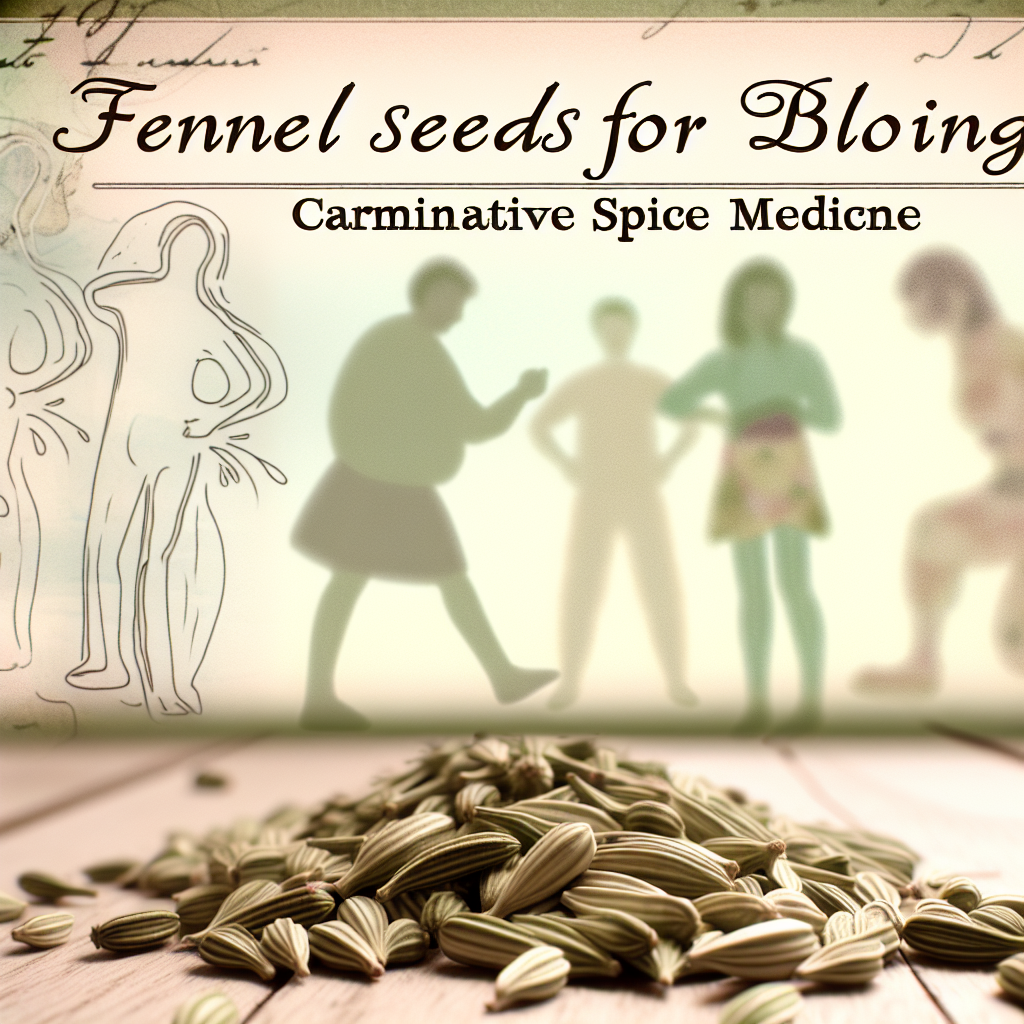
Known for their sweet, licorice-like flavor, fennel seeds (Foeniculum vulgare) have long been used as a digestive aid in cultures across India, the Mediterranean, and the Middle East. Their primary mode of action is as a carminative — a compound that helps expel gas from the gastrointestinal tract, thereby reducing discomfort from bloating, cramping, and indigestion.
What sets fennel seeds apart is the presence of bioactive compounds like anethole, estragole, and fenchone. These compounds exhibit antispasmodic and anti-inflammatory effects, relaxing gastrointestinal muscles and calming the digestive tract. Fennel also possesses mild estrogenic properties, which may benefit those dealing with hormone-related digestion issues.
In addition to temporary relief from bloating, fennel supports long-term gut health by promoting regular digestion and reducing inflammation. As scientific support builds and more people turn to plant-based wellness, fennel seeds are increasingly recognized as more than a kitchen spice — they are a powerful natural remedy for digestive concerns.
Features and Scientific Evidence Supporting Fennel for Bloating
The effects of fennel seeds on bloating stem from multiple healing properties:
– They help release trapped intestinal gas.
– They support gut motility to promote regular bowel movements.
– They reduce spasms in the colon and intestinal tract.
The seeds’ primary active compound, anethole, has estrogen-like action and supports digestive health via its anti-inflammatory and muscle-relaxing effects.
In a study published in BioMed Research International (2018), a combination of fennel extract and curcumin was shown to significantly improve bloating, abdominal pain, and discomfort in patients with Irritable Bowel Syndrome (IBS). While the two herbs worked synergistically, fennel’s carminative effect was a major contributor to the results.
Traditional Ayurvedic literature also supports fennel’s digestive role. A review in the Ancient Science of Life Journal classifies fennel under ‘Deepana’ (appetizer) and ‘Pachana’ (digestive aid). These classifications underscore its role in enhancing digestive fire (Agni) and preventing gas accumulation.
Moreover, a study published in the Journal of Medicinal Food analyzed fennel essential oil and confirmed that it exhibits antimicrobial properties. In cases of bacterial imbalance or gut dysbiosis, fennel may help by suppressing gas-producing microbes while supporting beneficial flora, thereby reducing intestinal fermentation that leads to bloating.
Another value of fennel is its antioxidant content. These compounds, including flavonoids and polyphenols, help protect the intestinal lining from oxidative stress. This support may help reduce leaky gut symptoms and chronic inflammation of the GI tract.
How to Use Fennel for Bloating Relief
Incorporating fennel into your daily diet is simple and effective:
- Fennel Tea: Steep 1–2 teaspoons of crushed fennel seeds in hot water for 5–10 minutes. Drink after meals or on an empty stomach in the morning.
- Chewing Seeds: A traditional approach, especially in India, involves chewing half a teaspoon of raw fennel after meals to stimulate digestion and freshen breath.
- Capsule Extracts: For concentrated effects, clinically formulated fennel extracts are available in capsule forms. These are particularly helpful for regular users or those addressing chronic gut conditions.
If you’re prone to frequent bloating or digestion issues, consider pairing fennel with other gut-soothing herbs like peppermint, ginger, or chamomile. These combinations work synergistically to calm the gut and reduce excess gas and cramping.
Conclusion
Fennel seeds are more than a culinary staple—they are a potent aid for bloating, indigestion, and overall gastrointestinal health. Backed by both ancient wisdom and contemporary science, fennel’s carminative, antispasmodic, and antimicrobial properties make it a go-to herb for promoting digestive harmony.
With easy ingestion methods—from teas to supplements—fennel fits seamlessly into any wellness plan. As people worldwide seek natural, effective solutions for gut discomfort, fennel seeds stand out as a safe, accessible, and effective herbal ally.
References
- Akhtar T. et al., 2018 – BioMed Research International
- Patil UH & Bapat SS, 2011 – Ancient Science of Life
- Ruberto G & Baratta MT, 2006 – Journal of Medicinal Food
- National Center for Complementary and Integrative Health (NCCIH), 2021
For more expert-guided gut health tips and natural remedies, visit Gutnow.com.
Concise Summary
Fennel seeds are a powerful, natural remedy for bloating and digestive discomfort. Used traditionally in Ayurveda and now supported by research, fennel’s carminative and antispasmodic properties help alleviate gas, cramping, and intestinal spasms. Rich in bioactive compounds like anethole and fenchone, fennel also supports gut motility and inhibits harmful gut bacteria. Whether consumed as a tea, spice, chewable seed, or supplement, fennel is a simple and effective addition to your gut health regimen.

Dominic E. is a passionate filmmaker navigating the exciting intersection of art and science. By day, he delves into the complexities of the human body as a full-time medical writer, meticulously translating intricate medical concepts into accessible and engaging narratives. By night, he explores the boundless realm of cinematic storytelling, crafting narratives that evoke emotion and challenge perspectives.
Film Student and Full-time Medical Writer for ContentVendor.com