Harnessing Bioluminescence: A Revolutionary Approach to Microbiome Restoration and Gut Health Enhancement
In recent years, **gut health** has emerged as a central pillar in the quest for overall wellness. Our digestive tract, often referred to as the **”second brain,”** plays a vital role not just in digestion, but also in **immune system functionality**, **mood regulation**, and overall health. The key to a well-functioning gut lies in maintaining a balanced **microbiome**—a dynamic community of trillions of microorganisms. While there are various probiotics and dietary interventions available, a novel and fascinating approach has begun to garner significant attention: the utilization of **bioluminescence** in microbiome restoration.
Bioluminescence, the phenomenon by which living organisms produce light, is commonly observed in marine environments, among creatures such as **jellyfish** and certain types of **plankton**. However, it is the potential application of **bioluminescent bacteria** that has recently captivated the interest of the scientific community. These organisms, through complex biochemical reactions, can emit light in various conditions, suggesting unique potential in monitoring and modulating the gut microbiome.
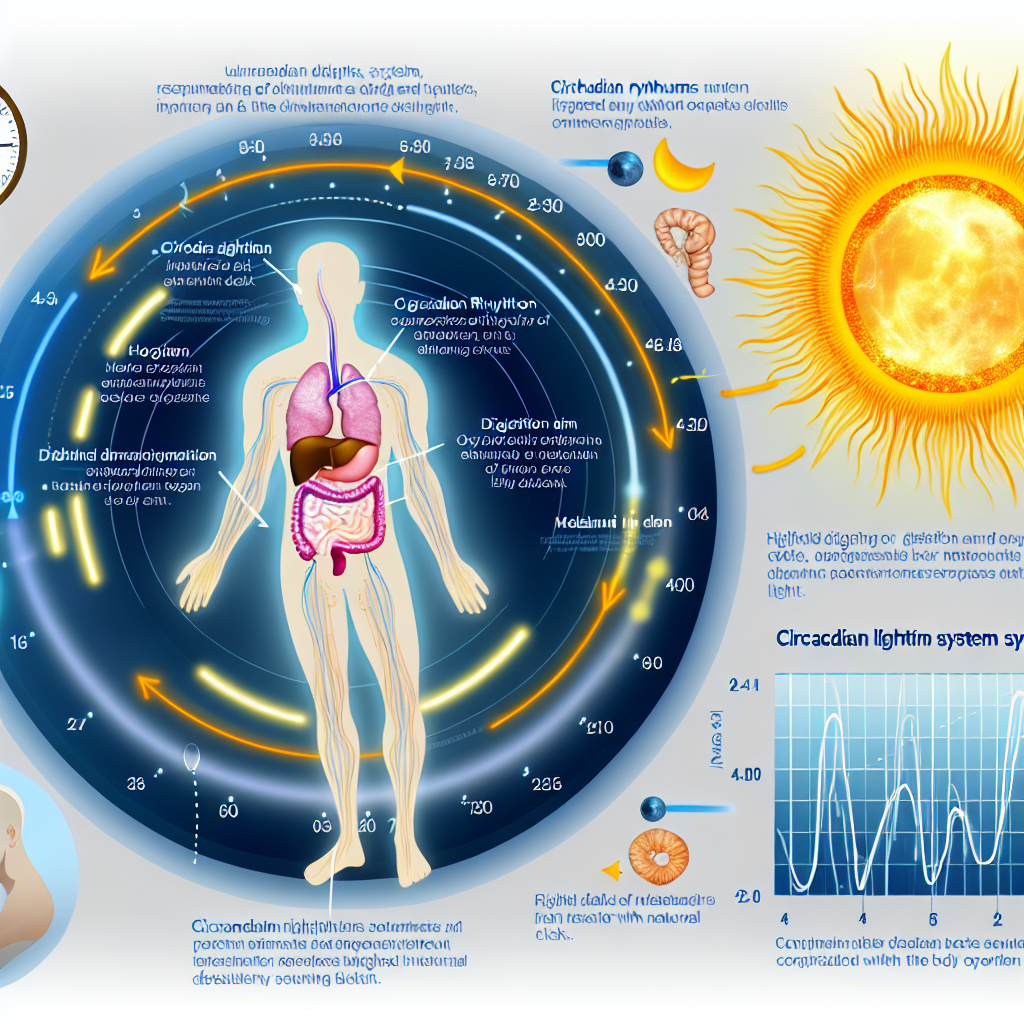
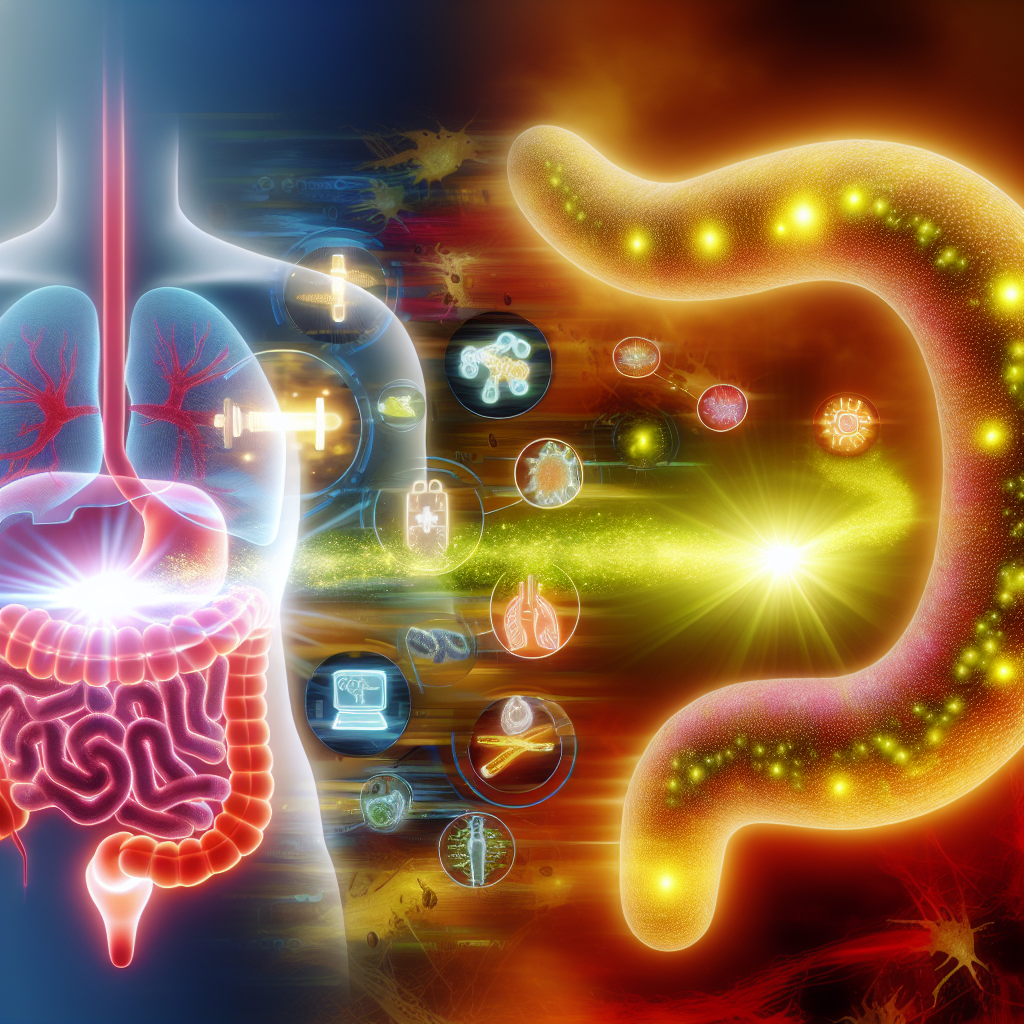
The gut microbiome’s complexity means restoring and maintaining its balance is no simple task. Many traditional interventions focus on introducing beneficial **bacterial strains**, hoping to outcompete harmful bacteria. However, **bioluminescent bacteria** allow for more precise interventions. By integrating bioluminescence into gut bacteria, scientists envision a system where the health of the microbiome can be observed and adjusted in real time. Think of it like a “lighting system” within the gut, one that signals imbalance or disease and highlights areas for intervention.
Features
Several professional and medical studies have laid the groundwork for using **bioluminescence technology** in gut health enhancement. A key study conducted by researchers at **Harvard Medical School** explored genetically engineered bioluminescent bacteria to visualize microbial dynamics within the gut. Published in *Nature Microbiology* (2020), the study demonstrated how these engineered bacteria could successfully integrate into the gut microbiome and emit light without adverse effects on host health. This finding provides a promising outlook for tracking changes in microbial communities in situ.
Another compelling study from **Stanford University** examined the potential of **bioluminescent bacteria** as diagnostic tools for gut health. In their research, scientists programmed bioluminescent bacteria to emit light in response to specific metabolites released by pathogenic bacteria. Their results, available in the journal *Science Translational Medicine* (2021), suggest that engineered bioluminescent bacteria could serve as early detectors of **dysbiosis**—a microbial imbalance associated with conditions like **inflammatory bowel disease**.
Furthermore, research is expanding into using **bioluminescence** as a therapeutic modality. A study published in *Cell* (2019) explored the idea of “**therapeutic illumination**.” By engineering bacteria that emit light at specific wavelengths, scientists aimed to influence cellular and microbial behavior directly. This study highlighted the potential for using these bioluminescent signals to induce beneficial shifts in the gut environment, promoting the growth of healthy bacteria and suppressing harmful strains.
These pioneering studies underscore the enormous potential of **bioluminescence** in revolutionizing gut health treatments. While bioluminescence in the context of gut health is still an emerging field, the insights gained thus far paint an optimistic picture of future personalized and precise medical approaches that could redefine microbiome management.
Conclusion
As we continue to explore the depths of the human microbiome, the promise of **bioluminescent bacteria** offers a revolutionary pathway to gut health restoration. These glowing organisms stand to provide more than just illumination in the darkness; they could signal a new era of real-time microbiome monitoring and targeted therapeutic interventions. As research progresses, the hope is that **bioluminescence** will soon become a pivotal tool in battling microbial imbalances, ultimately enhancing our overall health and well-being.
References
– **Harvard Medical School bioluminescent bacteria study**: https://www.nature.com/articles/s41564-020-0705-x
– **Stanford University study on diagnostic bioluminescent bacteria**: https://stm.sciencemag.org/content/13/583/eabc4563
– **Study on therapeutic illumination using bioluminescent bacteria**: https://www.cell.com/cell/fulltext/S0092-8674(19)30605-7
**Concise Summary:**
Bioluminescence offers a groundbreaking approach to restoring and enhancing gut health by utilizing glowing bacteria. These engineered **bioluminescent bacteria** provide real-time monitoring and precise interventions for maintaining a balanced microbiome. Key studies from **Harvard** and **Stanford Universities** demonstrate their potential in visualization, diagnosis, and therapeutic applications. The technology promises to revolutionize microbiome management, paving the way for personalized medical approaches to combat dysbiosis and promote overall wellness. As research advances, bioluminescence is expected to become a crucial tool in microbiome and gut health treatments.

Dominic E. is a passionate filmmaker navigating the exciting intersection of art and science. By day, he delves into the complexities of the human body as a full-time medical writer, meticulously translating intricate medical concepts into accessible and engaging narratives. By night, he explores the boundless realm of cinematic storytelling, crafting narratives that evoke emotion and challenge perspectives.
Film Student and Full-time Medical Writer for ContentVendor.com