How to Treat Pancreatitis Naturally – Enzyme Support and Inflammation Control
Introduction
Pancreatitis is a serious and often painful condition marked by inflammation of the pancreas — the gland responsible for producing essential digestive enzymes and hormones like insulin. While acute pancreatitis may resolve with prompt medical intervention, chronic pancreatitis can lead to lasting damage, including malabsorption, diabetes, and organ dysfunction.
Conventional medical approaches center on inflammation management, dietary modifications, and addressing root causes such as alcohol, gallstones, or high triglyceride levels. However, interest in natural remedies for pancreatitis is rising due to their potential to complement standard treatments.
Natural management strategies primarily focus on two goals:
1. Reducing systemic and local inflammation.
2. Supporting digestion by enhancing or replacing pancreatic enzymes to help the gland rest and heal.
Improving diet, incorporating anti-inflammatory herbs, and using supplements like omega-3 fatty acids, probiotics, and natural enzyme replacements can significantly enhance recovery. Diets rich in fiber, antioxidants, and low in fats are especially beneficial.
While acute cases demand immediate medical care, individuals with chronic conditions or recurrent flare-ups may benefit significantly from blending natural treatments for pancreatitis with clinical guidance to promote pancreatic health and overall digestive harmony.
Natural Treatments Supported by Research
1. Enzyme Supplementation
A cornerstone of pancreatitis care is digestive enzyme supplementation. Enzyme therapy helps reduce malabsorption and nutrient deficiencies associated with chronic inflammation. According to a review published in the World Journal of Gastroenterology, Pancreatic Enzyme Replacement Therapy (PERT) can restore digestion and reduce pancreatic strain.
Natural enzymes such as papain (from papaya), bromelain (from pineapple), and microbial-based enzymes offer plant-derived alternatives. These support the body’s ability to break down fats, proteins, and carbohydrates without overtaxing the pancreas, offering possible relief from symptoms like bloating and weight loss.
2. Curcumin (Turmeric)
Curcumin, the active compound in turmeric, possesses powerful anti-inflammatory and antioxidant properties. A 2016 study in Inflammopharmacology showed that supplementation with curcumin reduces inflammatory markers such as TNF-α and interleukins.
These benefits may help calm pancreatic inflammation and prevent further tissue damage. Regular supplementation may also support the regeneration of pancreatic tissue, especially in chronic pancreatitis cases.
3. Omega-3 Fatty Acids
Omega-3 fatty acids found in flaxseed oil, chia seeds, and cold-water fish reduce inflammation and improve immune function. A study published in Clinical Nutrition demonstrated that omega-3 supplements can improve recovery outcomes during episodes of acute pancreatitis.
Regular consumption of omega-3s helps lower systemic inflammation, reduce the risk of flare-ups, and support cardiovascular and metabolic health, both of which are often affected by chronic pancreatic disease.
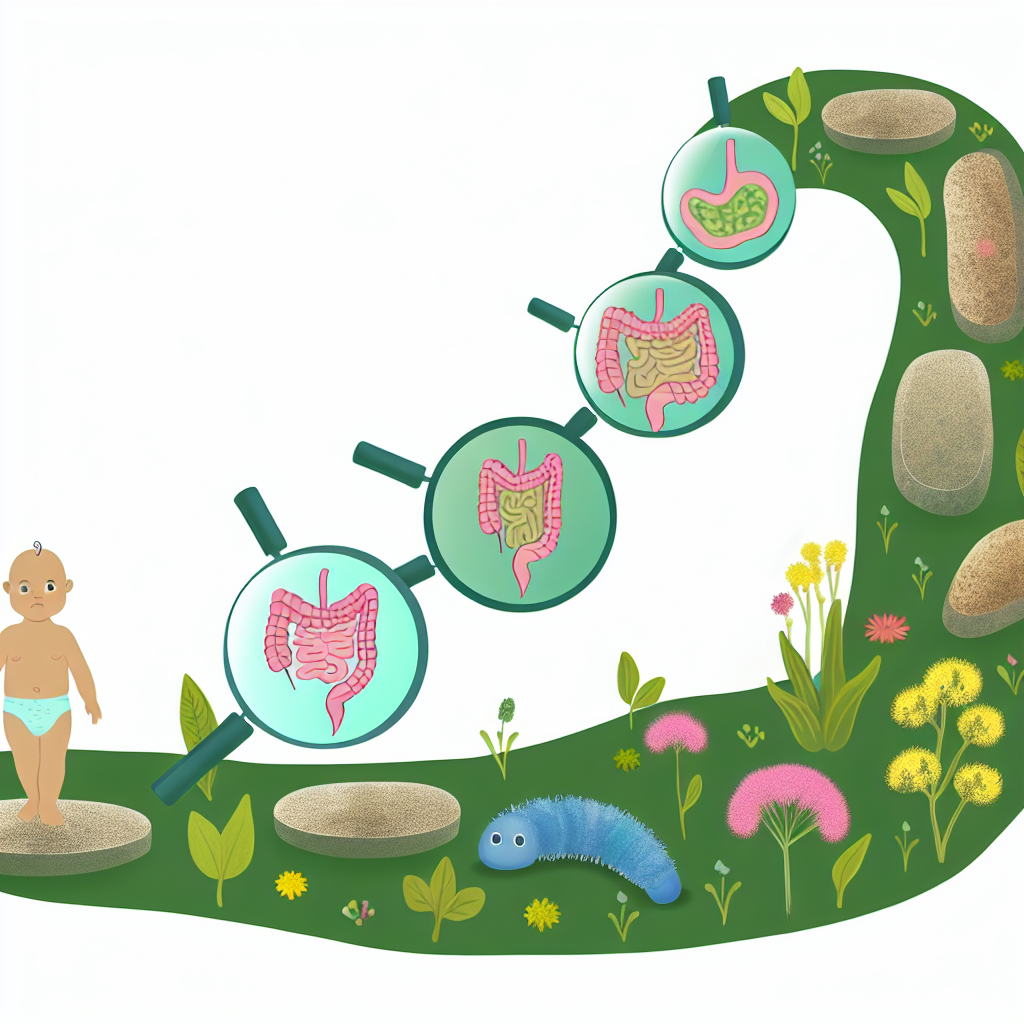
4. Probiotics and Gut Microbiome Health
A healthy gut microbiome is crucial for managing inflammation and nutrient absorption. Probiotics restore the balance of good bacteria, enhance digestion, and strengthen the intestinal barrier. A 2021 study in the journal Nutrients emphasizes the gut–pancreas axis and confirms that probiotics can benefit patients with chronic pancreatitis.
Specific probiotic strains may also prevent complications like infected pancreatic necrosis, a critical concern in advanced disease stages.
5. Herbs Like Licorice Root and Holy Basil
Traditional herbs have a long track record of supporting pancreatic and overall digestive health. Licorice root contains glycyrrhizin, a compound known for its anti-inflammatory and protective properties. Preclinical trials suggest that licorice may reduce enzyme leakage and protect against tissue damage.
Holy basil (Ocimum sanctum), often used in Ayurvedic treatments, shows promise in balancing stress responses and reducing oxidative damage. These herbs, although still under-researched in humans, may complement standard care regimens in chronic inflammation cases.
6. Dietary Modifications
Diet plays a vital long-term role in managing pancreatitis. A guideline from the National Institute of Diabetes and Digestive and Kidney Diseases (NIDDK) encourages a low-fat, plant-forward diet to reduce recurrence and flare-ups.
Beneficial foods include:
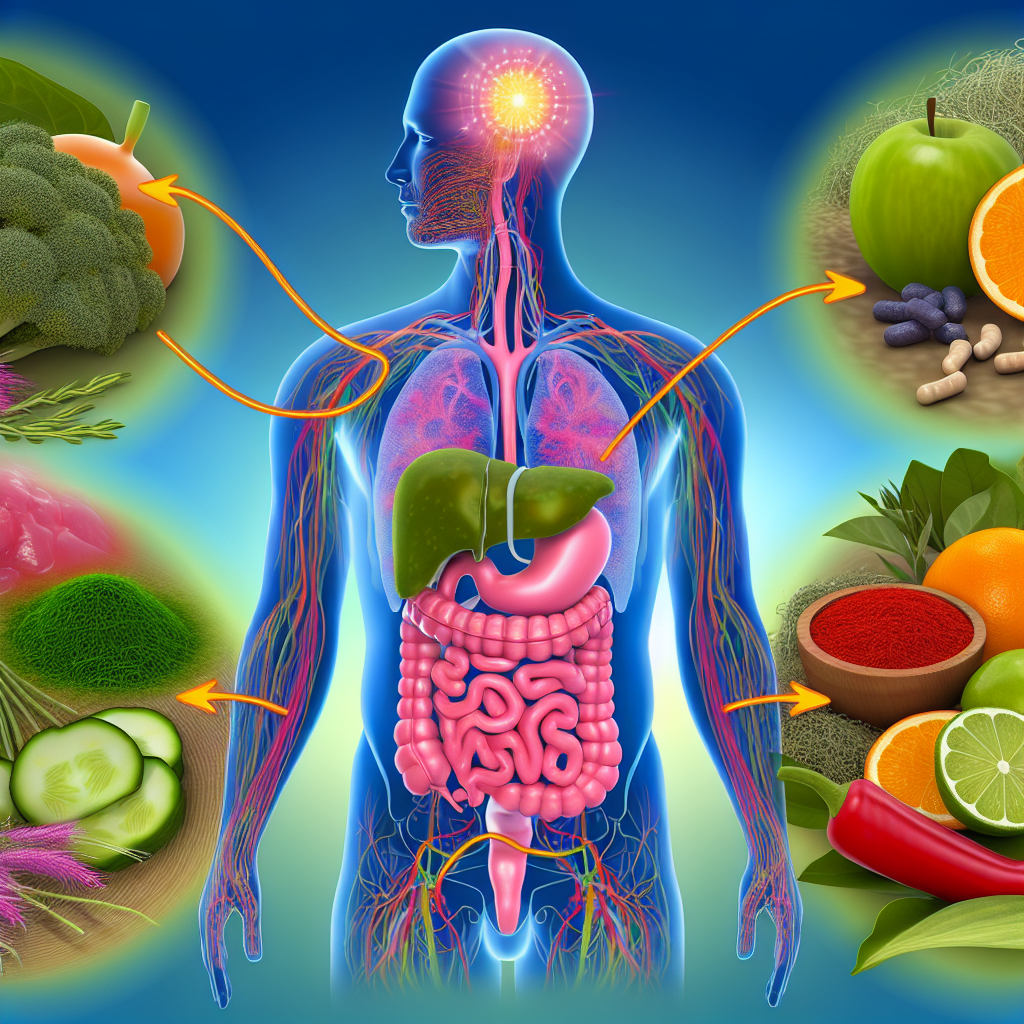
– Fresh fruits and vegetables rich in antioxidants
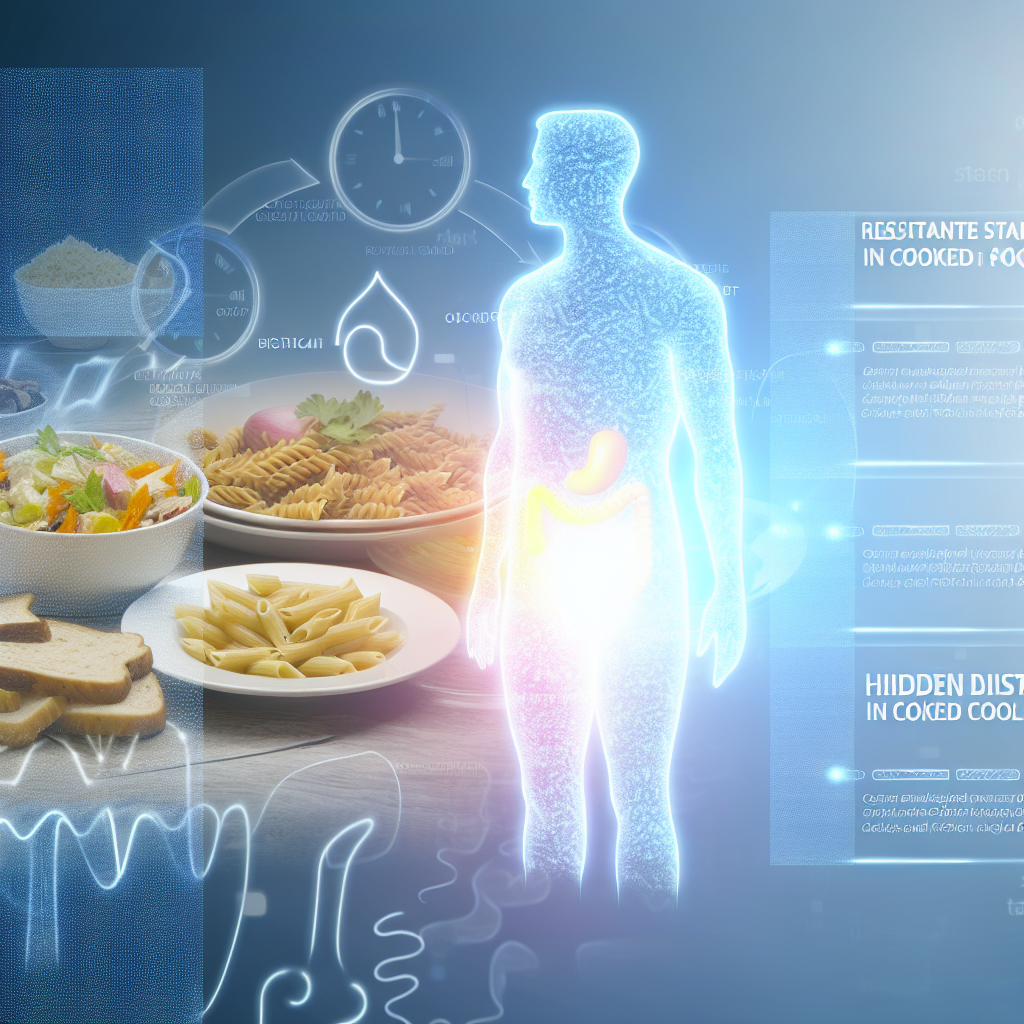
– Whole grains for fiber and digestive support
– Lean plant-based proteins for easier digestion
– Fermented foods like kimchi or yogurt (nonfat) for probiotic value
Avoiding alcohol, processed sugar, and fatty fried foods helps reduce inflammation triggers and supports pancreatic recovery.
Conclusion
Managing chronic or recurrent pancreatitis naturally involves supporting pancreatic function, reducing inflammation, and encouraging optimal digestion. Incorporating natural solutions—like plant-based enzymes, anti-inflammatory herbs, omega-3 supplements, and gut-balancing probiotics—alongside dietary changes can promote healing.
These methods are not substitutes for medical interventions in acute cases, but they may serve as powerful adjuncts in chronic care. Collaboration with an integrative healthcare provider ensures safety and effectiveness tailored to individual health needs. Supporting your pancreas naturally can lead to improved digestion and better long-term wellness.
Concise Summary
Natural treatments for pancreatitis focus on reducing inflammation and supporting digestion. Key strategies include enzyme supplementation, anti-inflammatory herbs like turmeric and licorice, omega-3 fatty acids, probiotics for gut health, and a low-fat, high-fiber diet. Research supports the use of these natural therapies as adjuncts to conventional treatment, especially for chronic cases. While acute pancreatitis still requires immediate medical attention, a natural regimen can help reduce recurrence, support healing, and improve quality of life when used under professional guidance.
References
1. World Journal of Gastroenterology – Digestive enzyme supplementation in pancreatic disorders
2. Inflammopharmacology – Anti-inflammatory effects of curcumin
3. Clinical Nutrition – Omega-3 fatty acids and acute pancreatitis
4. Nutrients Journal – Probiotics in chronic pancreatitis
5. National Institute of Diabetes and Digestive and Kidney Diseases – Pancreatitis Treatment Guidelines

Dominic E. is a passionate filmmaker navigating the exciting intersection of art and science. By day, he delves into the complexities of the human body as a full-time medical writer, meticulously translating intricate medical concepts into accessible and engaging narratives. By night, he explores the boundless realm of cinematic storytelling, crafting narratives that evoke emotion and challenge perspectives.
Film Student and Full-time Medical Writer for ContentVendor.com