Hydration Electrolyte Protocol for Diarrhea-Predominant Conditions: Beyond Water to Replenish and Soothe
Introduction
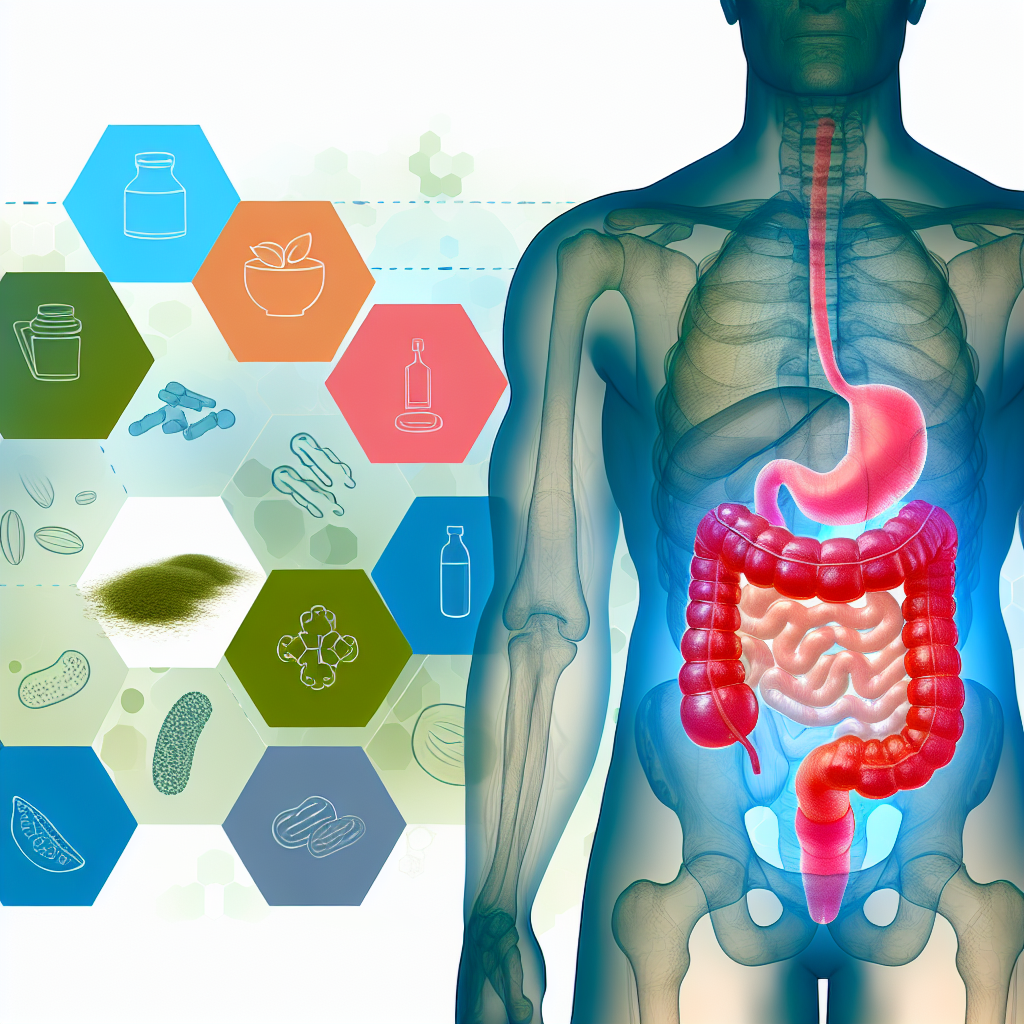
Maintaining optimal gut health remains a foundational component of overall wellness. Among the most disruptive gut imbalances are diarrhea-predominant conditions such as Irritable Bowel Syndrome with diarrhea (IBS-D), infectious gastroenteritis, and inflammatory bowel disorders like Crohn’s disease and ulcerative colitis during flare-ups. While these conditions may vary in their root causes—ranging from bacterial infections and autoimmune reactivity to stress-induced motility dysfunction—they all share one thing in common: fluid loss.
Diarrhea causes rapid expulsion of fluids and electrolytes, which can lead to dehydration, nutrient imbalances, fatigue, and impaired gut function. Addressing hydration in these scenarios is far more complex than simply drinking more water.
Contrary to popular belief, plain water alone may not suffice during episodes of chronic or acute diarrhea. In fact, excessive water without electrolyte replenishment can worsen electrolyte dilution, leading to imbalances in key minerals like sodium, potassium, and magnesium. This imbalance doesn’t just affect energy levels—it can also impact nerve conductivity, heart function, and cellular detox processes. The gut, being an electrolyte-sensitive organ system, becomes less efficient in absorbing water or nutrients when the balance is distorted.
Herein lies the importance of a targeted hydration protocol focusing not just on fluid replacement, but also restorative minerals, soothing compounds, and natural remedies that support gut recovery.
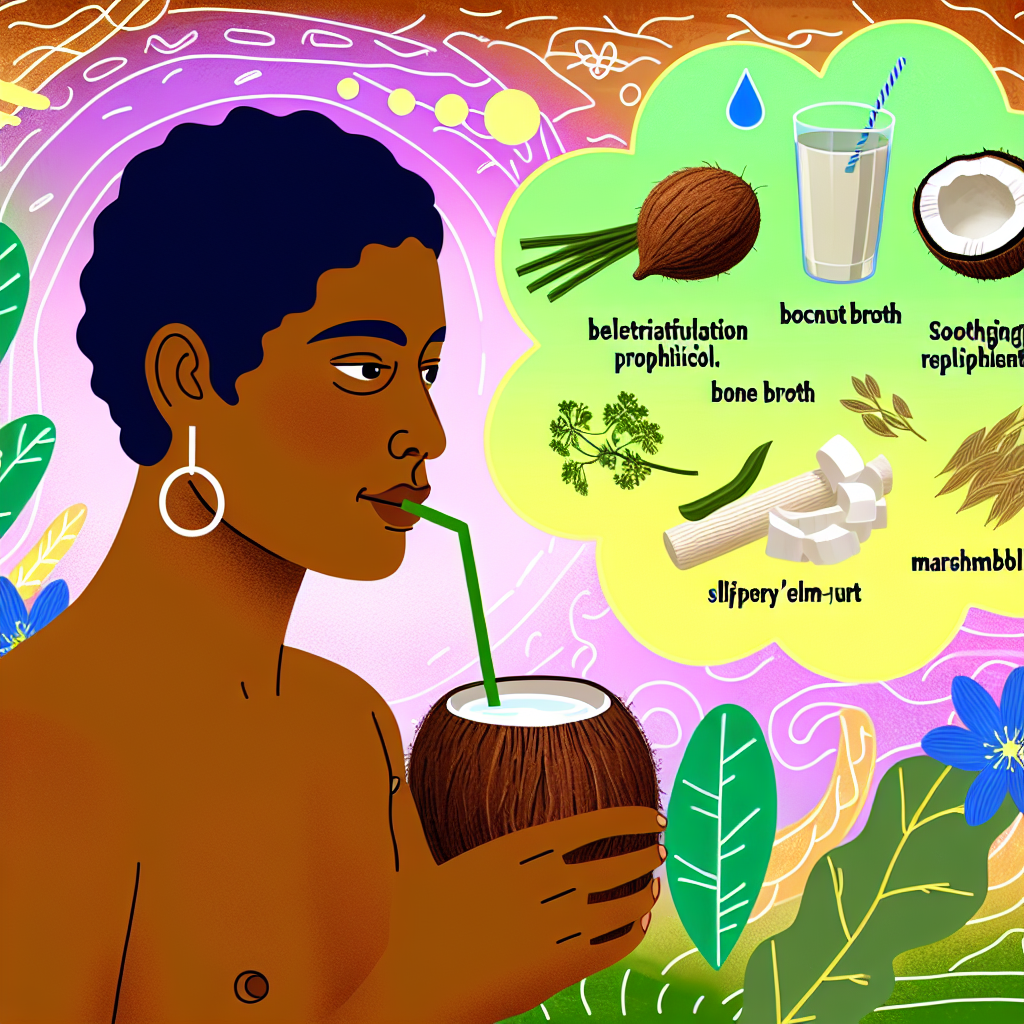
Today, integrative health professionals and herbal medicine practitioners are increasingly emphasizing the use of natural electrolyte-rich beverages and botanicals to restore gut function. Ingredients like coconut water, bone broth, chamomile, and marshmallow root provide not only mineral replenishment but also anti-inflammatory and mucosal-soothing properties that help restore gut barrier integrity.
Combined with probiotics and anti-spasmodic herbs, this holistic approach produces superior outcomes when managing diarrhea-prone conditions. Adopting this method can reduce reliance on pharmaceuticals, enhance nutrient absorption, and promote overall digestive resilience.
Scientific Backing for a Holistic Hydration Protocol
Scientific literature provides strong support for the inclusion of electrolytes and plant-based compounds in the treatment of diarrhea-predominant issues.
Traditional Oral Rehydration Solutions (ORS), endorsed by the World Health Organization (WHO), are the medical gold standard for rehydration. These solutions are specifically designed to combine glucose with electrolytes (primarily sodium and potassium) to enhance water absorption in the gastrointestinal tract via the sodium-glucose co-transport mechanism.
However, newer research suggests the viability of natural alternatives that offer gastrointestinal benefits without synthetic additives.
Coconut water, for instance, has gained attention as a natural electrolyte beverage. A randomized controlled trial published in the Journal of Physiological Anthropology found that coconut water was as effective as standard electrolyte drinks in rehydrating participants post-exercise and was better tolerated. For diarrhea sufferers, it offers a gentle means to restore potassium and magnesium without the high sugar or dyes of conventional drinks.
Bone broth is another nutrient-dense option. According to a 2017 review in the journal Nutrients, the collagen, glutamine, and glycine in bone broth support intestinal barrier function and reduce inflammation. These amino acids are critical for mucosal healing, particularly in swollen or damaged intestines like in IBS-D and leaky gut syndrome.
Herbal remedies such as slippery elm, marshmallow root, and chamomile add further value. Slippery elm contains mucilage, which coats the intestines and provides soothing and prebiotic effects. A study from the Journal of Alternative and Complementary Medicine highlights its capacity for restoring mucosal health.
Chamomile, revived from centuries-old herbal traditions, has antispasmodic and anti-inflammatory properties. A 2010 German clinical trial found a chamomile and pectin preparation significantly reduced diarrhea duration and severity in children, which suggests strong implications for adult use too.
For a complete hydration solution, practitioners often suggest homemade electrolyte beverages—for example, water mixed with pink Himalayan salt and lemon juice. This not only helps replace sodium and trace minerals but also offers gentle detoxification through alkalization and vitamin C support.
Conclusion
Successfully managing diarrhea-predominant conditions demands more than just boosting water intake. It requires a strategic approach that respects the body’s intricate electrolyte needs and addresses gut inflammation at its root.
Natural options like coconut water, bone broth, and medicinal herbs offer powerful support when integrated with established electrolyte guidelines. These therapies not only restore hydration and electrolyte levels but also soothe the gut lining, aid nutrient absorption, and support long-term digestive resilience. Whether you’re recovering from gastroenteritis or managing daily IBS-D symptoms, adopting a mindful hydration protocol can empower healing from within—enhancing not just your gut, but your entire well-being.
Concise Summary
Diarrhea-prone conditions like IBS-D, Crohn’s, or gastroenteritis deplete the body’s fluids and electrolytes, impairing gut and overall health. Merely drinking water is not enough—it can dilute essential minerals, causing further imbalance. A holistic hydration protocol includes natural beverages like coconut water and bone broth, and soothing herbs like chamomile and slippery elm. These ingredients restore electrolytes, reduce inflammation, and enhance mucosal healing. Combined with lifestyle changes and electrolyte-rich drinks, this natural approach supports gut barrier integrity, symptom relief, and long-term digestive resilience. Integrating this system offers powerful, effective care for those experiencing chronic or acute diarrhea-related issues.

Dominic E. is a passionate filmmaker navigating the exciting intersection of art and science. By day, he delves into the complexities of the human body as a full-time medical writer, meticulously translating intricate medical concepts into accessible and engaging narratives. By night, he explores the boundless realm of cinematic storytelling, crafting narratives that evoke emotion and challenge perspectives.
Film Student and Full-time Medical Writer for ContentVendor.com