Mucosal Nourishment Protocol: Using Specific Mucilaginous Herbs to Repair Intestinal Barrier Function
Introduction
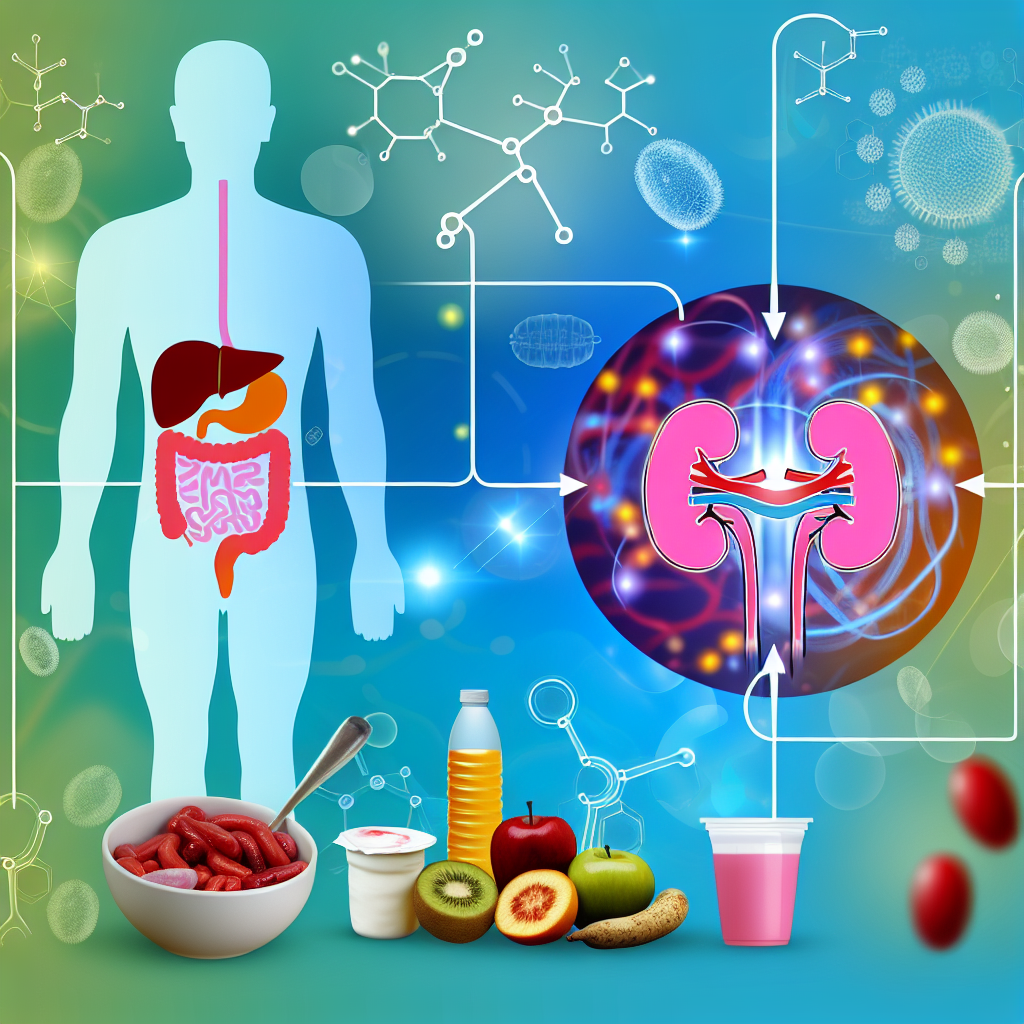
The human digestive tract plays a central role in human health—interwoven with **immunity**, **nutrient absorption**, **neurological regulation**, and **general well-being**. At the heart of this system is the integrity of the intestinal barrier; a protective layer composed of epithelial cells tightly joined together, shielded by mucus-secreting goblet cells. This **gut lining** allows essential nutrients to pass into the bloodstream while blocking harmful pathogens, toxins, and undigested food particles.
Unfortunately, a range of modern lifestyle and environmental factors can weaken this barrier. These include poor diet (especially processed foods), **chronic stress**, alcohol overconsumption, environmental toxins, infections, and certain medications such as **NSAIDs** and **antibiotics**. Such disruptions may result in **increased intestinal permeability**, popularly known as **leaky gut syndrome**. This condition has been linked to autoimmune diseases, systemic inflammation, **food intolerances**, and various gastrointestinal issues such as **bloating**, **IBS**, and **gastritis**.
While conventional therapies emphasize diet modification, antimicrobial treatments, and stress management, many emerging approaches focus on herbal restoration of the mucosa. Among the most promising of these are **mucilaginous herbs**—plants rich in gel-forming polysaccharides that coat and regenerate the gut lining.
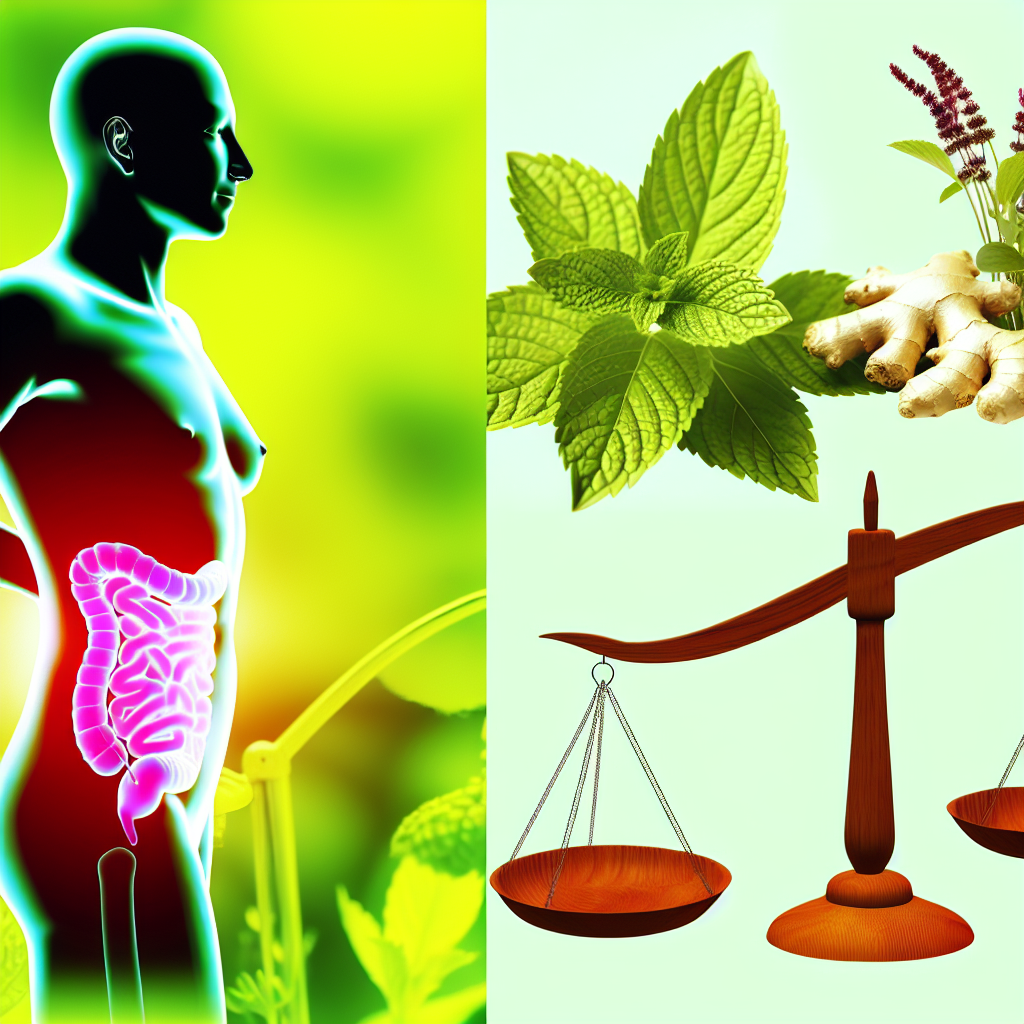
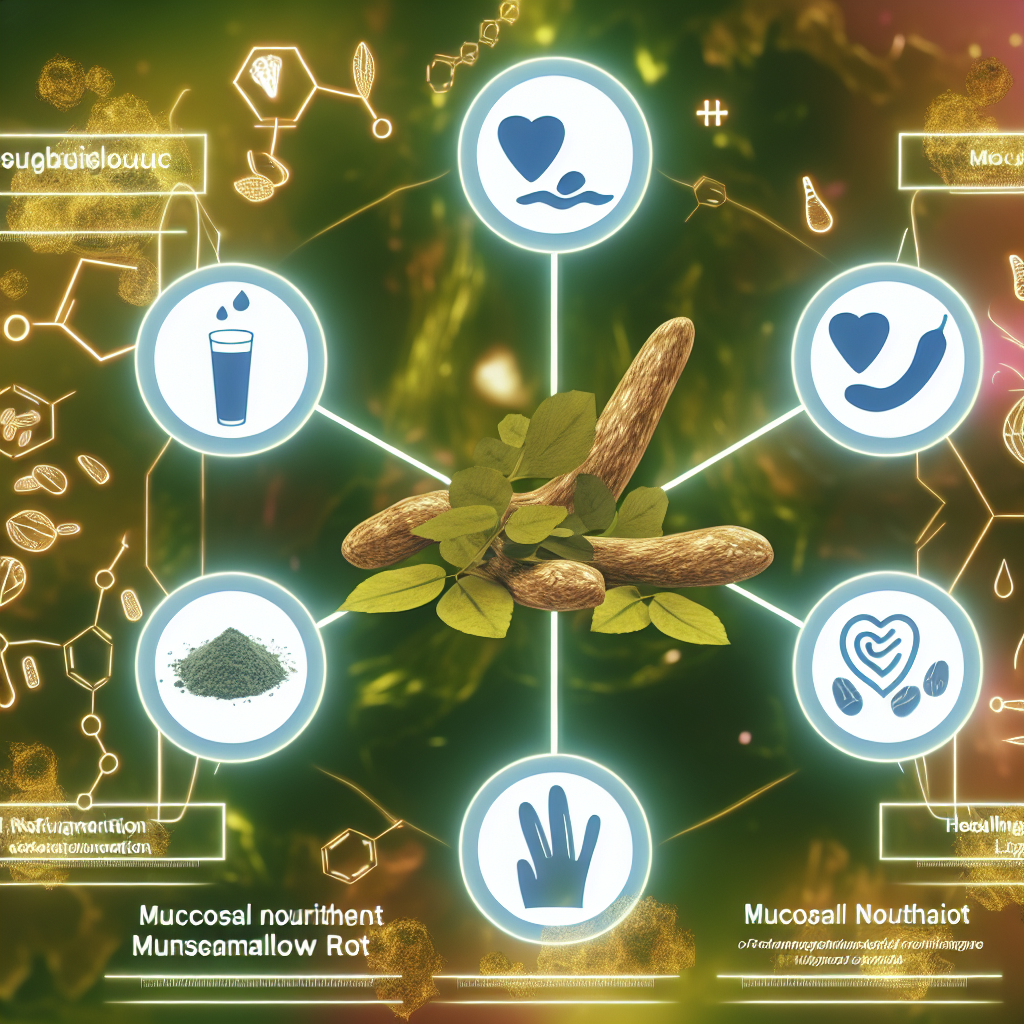
These **soothing herbs** are central to the **Mucosal Nourishment Protocol**, a natural and holistic approach designed to support gastrointestinal healing. Long embraced by **Traditional Chinese Medicine (TCM)** and **Ayurveda**, modern research now confirms their mucosal-repairing and inflammation-reducing benefits. This article explores the science, clinical usage, and therapeutic application of mucilaginous herbs such as **slippery elm**, **marshmallow root**, and **licorice root**, and how to incorporate them in restoring optimal digestive health.
Features: The Science Behind Mucilaginous Herbs and Intestinal Barrier Repair
Scientific interest in the concept of the **gut barrier** or **intestinal permeability** has surged over the past few decades. The intestinal epithelial lining plays a foundational role in regulating immune tolerance, eliminating toxins, and maintaining microbiome balance. When this barrier is damaged, it becomes a contributor to chronic health issues like **Crohn’s disease**, **ulcerative colitis**, **celiac disease**, **type 1 diabetes**, and even **neurodegenerative conditions** like Parkinson’s disease ([Camilleri et al., 2012](https://doi.org/10.1111/j.1365-2982.2012.01921.x)).
Mucilaginous herbs function by delivering a **gel-like coating** that soothes the mucosa and shields inflamed gut lining from chemical irritation, further infection, or additional stress. These herbs are high in naturally occurring **polysaccharides**, which form a protective layer when hydrated.
One of the most extensively studied mucilaginous herbs is slippery elm (Ulmus rubra). Its bark contains high mucilage content that can reduce **IBS symptoms**, calm **diarrhea**, and relieve gut inflammation. A study in the journal Phytotherapy Research examined its effects on inflammatory bowel conditions and noted a reduction in pain and bloating, attributing these benefits to its ability to modulate the gut inflammatory response.
Marshmallow Root (Althaea officinalis)
Marshmallow root offers additional benefits for **intestinal repair**. In vitro studies have noted its role in **upregulating epithelial growth** and suppressing **pro-inflammatory cytokine** activity ([Deters et al., 2010](https://doi.org/10.1016/j.jep.2009.11.011)). Additionally, marshmallow root has demonstrated **antioxidant** and **antimicrobial** properties that can restore a balanced gut environment.
What’s more, it doesn’t just soothe symptoms—it plays an active role in rebuilding tissue at the cellular level. It helps modulate the release of cytokines and signals that can otherwise perpetuate chronic inflammation and exacerbate gut lining deterioration.
Licorice Root (Glycyrrhiza glabra)
Licorice root—particularly in deglycyrrhizinated (DGL) form—is well-known for healing ulcers and support against **acid reflux**. DGL stimulates the production of **mucin**, a key element of protective mucus in the gut. It also shows antimicrobial activity, helping combat infection-causing bacteria like H. pylori ([Isbrucker & Burdock, 2006](https://doi.org/10.1016/j.yrtph.2006.06.002)).
Unlike conventional antacids that simply neutralize stomach acid, licorice root supports the structural repair of tissues across the GI lining. This makes it particularly beneficial in cases of chronic **gastritis**, **GERD**, or gut hyperreactivity.
Synergistic Benefits & Microbiome Modulation
Beyond mucosal repair, mucilaginous herbs influence the **microbiome**. For example, polysaccharides in these herbs can act as **prebiotic fibers**, encouraging the growth of beneficial probiotic bacteria. Moreover, they may influence the expression of proteins such as **occludin** and **zonulin**, which regulate **tight junctions**—the molecular “zippers” that maintain gut barrier integrity ([Chassaing et al., 2017](https://www.nature.com/articles/nature14232)).
By calming inflammation, supporting cellular regeneration, enhancing mucosal immunity, and regulating microbial diversity, mucilaginous herbs provide a multidimensional strategy for healing and protecting the gut.
Conclusion
As research continues to affirm the links between **gut health**, immunity, cognitive function, and chronic disease, supporting the **intestinal barrier** becomes a therapeutic priority. The **Mucosal Nourishment Protocol** offers an evidence-based approach using **mucilaginous herbs** like slippery elm, marshmallow root, and deglycyrrhizinated licorice to restore mucosal lining integrity and reduce inflammation.
Whether used in soothing teas, powdered supplements, or tinctures, these herbal allies protect sensitive tissues, encourage epithelial regeneration, and promote a healthier microbiome. When combined with fundamental practices such as **clean diet**, **hydration**, **stress reduction**, and **probiotic support**, these herbs empower individuals to heal from the inside out.
Concise Summary
The Mucosal Nourishment Protocol is a natural approach for restoring **gut barrier integrity** using **mucilaginous herbs** such as slippery elm, marshmallow root, and licorice root. These plants offer anti-inflammatory, soothing, and regenerative support to the **intestinal lining**, helping to combat **leaky gut syndrome**, reduce chronic gut inflammation, and support microbiome balance. Backed by both traditional healing systems and modern science, these herbs can be integrated daily alongside good nutrition and stress management to enhance overall digestive resilience.
References
– [Camilleri, M. et al. (2012). Intestinal barrier function in health and gastrointestinal disease. Neurogastroenterology & Motility, 24(6), 503-512.](https://doi.org/10.1111/j.1365-2982.2012.01921.x)
– [Deters, A. et al. (2010). Marshmallow root extract inhibits adhesion of bacteria to epithelial cells and exhibits anti-inflammatory effects. Journal of Ethnopharmacology, 127(3), 770–775.](https://doi.org/10.1016/j.jep.2009.11.011)
– [Isbrucker, R. A., & Burdock, G. A. (2006). Risk and safety assessment on the consumption of licorice root. Regulatory Toxicology and Pharmacology, 46(3), 167–192.](https://doi.org/10.1016/j.yrtph.2006.06.002)
– [Chassaing, B. et al. (2017). Dietary emulsifiers impact the mouse gut microbiota promoting colitis and metabolic syndrome. Nature, 519, 92–96.](https://www.nature.com/articles/nature14232)
– Grigoleit, H. G., & Grigoleit, P. (2005). Gastrointestinal pharmacology of peppermint oil. Phytomedicine, 12(8), 607-611. https://doi.org/10.1016/j.phymed.2004.10.001
– Mowrey, D., & Hugel, H.M. (1986). The Scientific Validation of Herbal Medicine. Keats Publishing.
Use this protocol to build a foundation of gut health naturally—supporting not only digestion but also systemic wellness at every level.

Dominic E. is a passionate filmmaker navigating the exciting intersection of art and science. By day, he delves into the complexities of the human body as a full-time medical writer, meticulously translating intricate medical concepts into accessible and engaging narratives. By night, he explores the boundless realm of cinematic storytelling, crafting narratives that evoke emotion and challenge perspectives.
Film Student and Full-time Medical Writer for ContentVendor.com