Natural Cure for Celiac Disease Symptoms – Beyond Gluten-Free Diet
Introduction
Celiac disease is an autoimmune condition triggered by eating gluten, a protein found in wheat, barley, and rye. It affects approximately 1 in 100 individuals globally. When gluten is consumed, the immune system attacks the small intestine, causing inflammation and damage to the villi—tiny projections responsible for nutrient absorption. Common symptoms include bloating, diarrhea, fatigue, unintentional weight loss, and various nutritional deficiencies.
The primary treatment remains a strict, lifelong gluten-free diet. However, some individuals continue to experience ongoing symptoms, a condition referred to as non-responsive celiac disease. This may be due to lingering intestinal damage, concurrent issues like small intestinal bacterial overgrowth (SIBO), irritable bowel syndrome (IBS), or chronic inflammation.
Emerging research shows that natural remedies—including herbal medicines, probiotics, and nutrient therapies—may provide complementary support. These approaches aim to heal damaged intestinal tissues, support the immune system, and restore microbial balance in the gut.
While these strategies offer potential symptom relief and enhanced healing, they are not substitutes for medical treatment or dietary compliance. Instead, they act as supplementary tools that, with a healthcare provider’s guidance, offer a more holistic healing protocol.
In this article, we will explore a variety of natural therapies for celiac disease that are supported by scientific research.
Natural Remedies and Research-Based Support for Gut Healing in Celiac Disease
1. Probiotics and Gut Microbiome Modulation
A growing body of research has established a link between gut microbiota imbalances and celiac disease. A 2020 review in Frontiers in Microbiology emphasized that strains like Lactobacillus and Bifidobacterium may reduce inflammation in celiac patients. Supplementing with reliable probiotics helps rebalance gut flora, lower intestinal permeability (“leaky gut“), and modulate immune response.
For best effects, individuals are encouraged to use clinically supported multi-strain probiotics and consult a practitioner for personalized guidance based on stool testing or digestive symptoms.
2. L-Glutamine for Intestinal Repair
L-glutamine is an amino acid essential for the regeneration of intestinal cells (enterocytes). Research suggests that it promotes mucosal healing of the small intestine. A study in the Nutrients Journal concluded that L-glutamine significantly aids in repairing damage from chronic inflammation, making it particularly useful for individuals with lingering symptoms from gluten-induced damage.
It can be taken as a supplement in powdered form, often mixed with water before meals to support digestive lining repair.
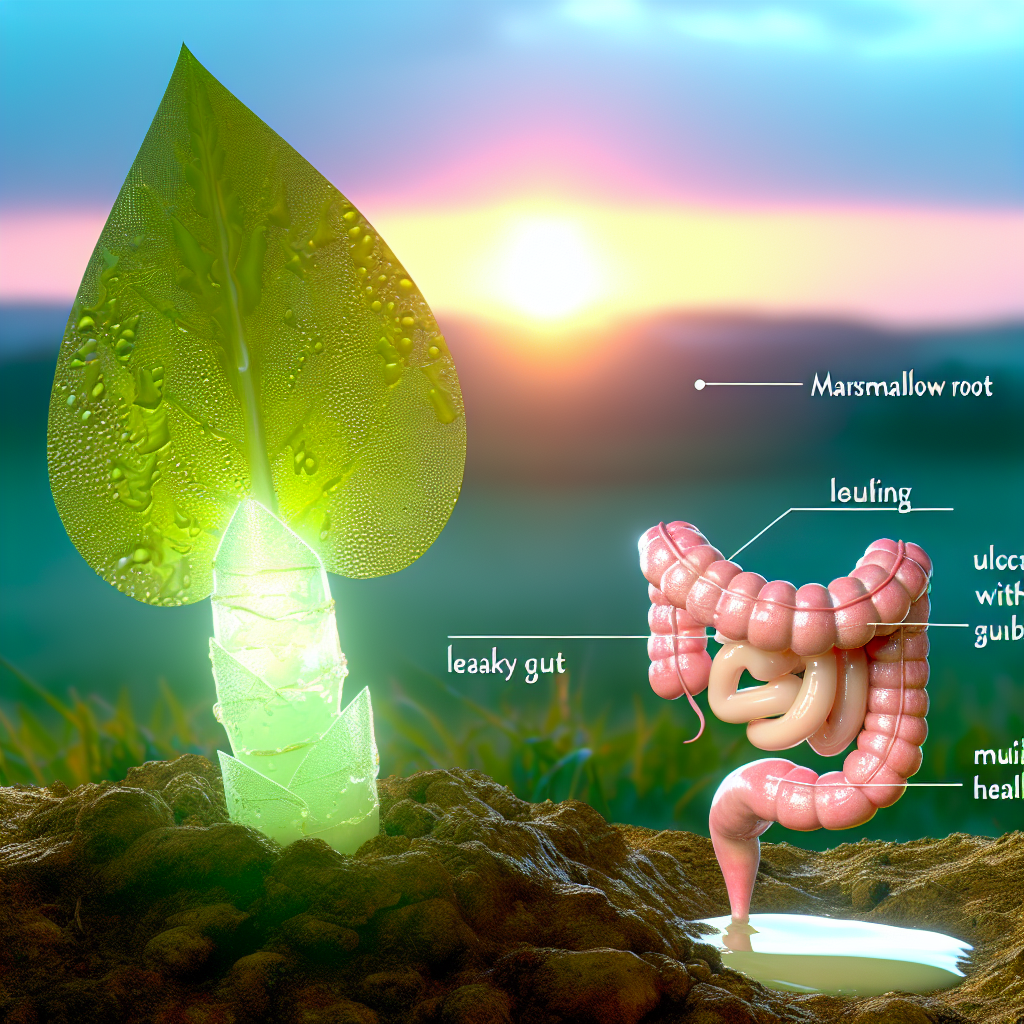
3. Slippery Elm and Marshmallow Root
Used traditionally in herbal medicine, slippery elm and marshmallow root contain mucilage that coats and soothes the gastrointestinal lining. These herbs form a protective film on the mucosa, reducing irritation and inflammation.
Though not directly proven in clinical trials for celiac disease, their general digestive soothing properties are promising. They can help ease symptoms such as heartburn, bloating, and abdominal discomfort often seen in post-gluten exposure phases.
4. Curcumin from Turmeric
The active compound in turmeric, curcumin, has strong anti-inflammatory and antioxidant effects. A study in Clinical and Experimental Immunology highlighted its ability to regulate immune responses in autoimmune diseases like celiac.
Curcumin may reduce intestinal inflammation, enhance liver detoxification, and support bile flow—encouraging better digestion and faster recovery from intestinal flare-ups. When supplementing, look for enhanced bioavailability forms, such as curcumin with black pepper extract (piperine).
5. Digestive Enzymes
Digestive enzymes assist in breaking down proteins, carbohydrates, and fats. Some enzyme supplements also contain DPP-IV, an enzyme that partially breaks down gluten peptides. Although not sufficient for managing celiac disease on their own, they may reduce discomfort following accidental gluten exposure. According to a study in the World Journal of Gastroenterology, these enzymes can lessen reactions if gluten is consumed unintentionally.
Always consult a healthcare provider before using enzymes to prevent reliance or misuse.
6. Bone Broth and Collagen
Bone broth is rich in collagen, glycine, and proline—nutrients that support tissue rebuilding. These compounds support the gut barrier and reduce inflammation. Regular consumption of high-quality bone broth or collagen supplements may help restore gut lining integrity in individuals experiencing mucosal damage from prolonged gluten exposure.
Additionally, bone broth is easy to digest and rich in essential electrolytes and minerals beneficial for energy, hydration, and immune health.
7. Zinc and Vitamin D
Micronutrient deficiencies occur commonly in people with celiac disease. Zinc promotes immune function and aids in regeneration of the intestinal barrier. Vitamin D, on the other hand, modulates immunity and protects against severe inflammatory responses. A study in the Journal of Clinical Gastroenterology emphasized the role of vitamin D in limiting long-term consequences of celiac disease.
Blood tests to monitor levels are recommended before supplementing to ensure effective dosage and avoid toxicity.
Conclusion
While the gluten-free diet is the foundation of treatment for celiac disease, healing often requires more than dietary avoidance. Natural therapies—including probiotics, herbal remedies, amino acids like L-glutamine, and vital micronutrients—may support gut repair and manage residual symptoms. Integrating these evidence-based natural alternatives can promote mucosal healing, reduce inflammation, and restore nutrient absorption.
Those with persistent symptoms or nutrient deficiencies should consider working with an integrative or functional medicine practitioner. When used alongside standard medical care, these remedies offer a holistic and empowering roadmap to better digestive health.
Concise Summary
Celiac disease requires more than a gluten-free diet for complete healing. Natural remedies like probiotics, L-glutamine, slippery elm, turmeric (curcumin), digestive enzymes, bone broth, and key nutrients like zinc and vitamin D can ease symptoms and support gut repair. These therapies help restore the microbiome, reduce inflammation, and repair intestinal damage. While these natural options should never replace medical treatment, they offer a supportive role in long-term recovery when used under medical guidance.
References
1. Frontiers in Microbiology – Probiotics and microbiota in Celiac disease
2. Nutrients Journal – Glutamine and gut health
3. Clinical and Experimental Immunology – Anti-inflammatory effects of curcumin
4. World Journal of Gastroenterology – Gluten-degrading enzymes
5. Journal of Clinical Gastroenterology – Vitamin D and Celiac disease

Dominic E. is a passionate filmmaker navigating the exciting intersection of art and science. By day, he delves into the complexities of the human body as a full-time medical writer, meticulously translating intricate medical concepts into accessible and engaging narratives. By night, he explores the boundless realm of cinematic storytelling, crafting narratives that evoke emotion and challenge perspectives.
Film Student and Full-time Medical Writer for ContentVendor.com