Natural Gastroprotective Agents – Stomach Lining Protection
Summary: Natural gastroprotective agents are plant-derived compounds that support stomach lining health by reducing inflammation, promoting mucus production, and defending against ulcers and pathogens like Helicobacter pylori. Common agents like licorice, ginger, turmeric, aloe vera, and various flavonoids have shown strong scientific support for aiding in gut healing and protection. With their natural anti-inflammatory and antimicrobial actions, these herbal remedies offer a complementary pathway for those experiencing gastritis, acid reflux, or those on long-term NSAIDs. Integrating them into wellness plans may help balance gut health naturally, though medical guidance is advised.
Introduction
The human gastrointestinal (GI) system is a delicate and complex network responsible for digesting food, absorbing nutrients, and acting as a barrier against harmful substances. Central to this system is the stomach lining, which performs critical functions like resisting acid erosion, physical damage, and enzymatic harm.
Damage to the gastric lining from factors like poor diet, stress, NSAID use, alcohol consumption, or Helicobacter pylori infection may result in conditions such as gastritis, peptic ulcers, abdominal pain, or acid reflux.
Driven by the growth in functional medicine, many are turning to natural gastroprotective agents—herbs and compounds used to restore and protect the stomach’s mucosal layer. These natural substances support gut function by:
- Enhancing mucus secretion
- Reducing inflammation
- Promoting tissue regeneration
- Modulating microbiota
- Scavenging free radicals
Traditional medical systems like Ayurveda and Traditional Chinese Medicine (TCM) have long leveraged herbs such as licorice, ginger, turmeric, and aloe vera to treat gut issues. Scientific studies are now validating these remedies with measurable results.
These agents can be particularly useful for those with chronic digestive conditions or individuals relying on irritant medications. Their benefits go beyond symptom relief—offering mucosal healing and reducing adverse drug effects.
Scientific Studies on Natural Gastroprotective Agents
Research highlights several plant-based compounds with gastroprotective capacities, notably:
1. Licorice Root (Glycyrrhiza glabra)
Deglycyrrhizinated licorice (DGL) is a form processed to remove glycyrrhizin, minimizing potential side effects like blood pressure elevation. DGL supports ulcer healing by increasing mucin secretion—a key component in gastric mucus—and inhibiting the growth of H. pylori. According to a 2012 study in the Journal of Research in Medical Sciences, DGL was associated with improved mucosal repair and reduced inflammation.
2. Curcumin (Turmeric)
Curcumin, the active compound in turmeric, is a powerful antioxidant with anti-inflammatory and antimicrobial actions. It regulates immune signaling, reduces cytokine-induced inflammation, and encourages gastric mucosa regeneration. In a 2013 trial from the Journal of Clinical Biochemistry and Nutrition, patients taking curcumin experienced significant improvement in dyspeptic symptoms and reduced gastric inflammation markers over a short period.
Adding curcumin to daily diets or supplements may provide a gentle, natural approach to managing chronic gastric discomfort or inflammation.
3. Ginger (Zingiber officinale)
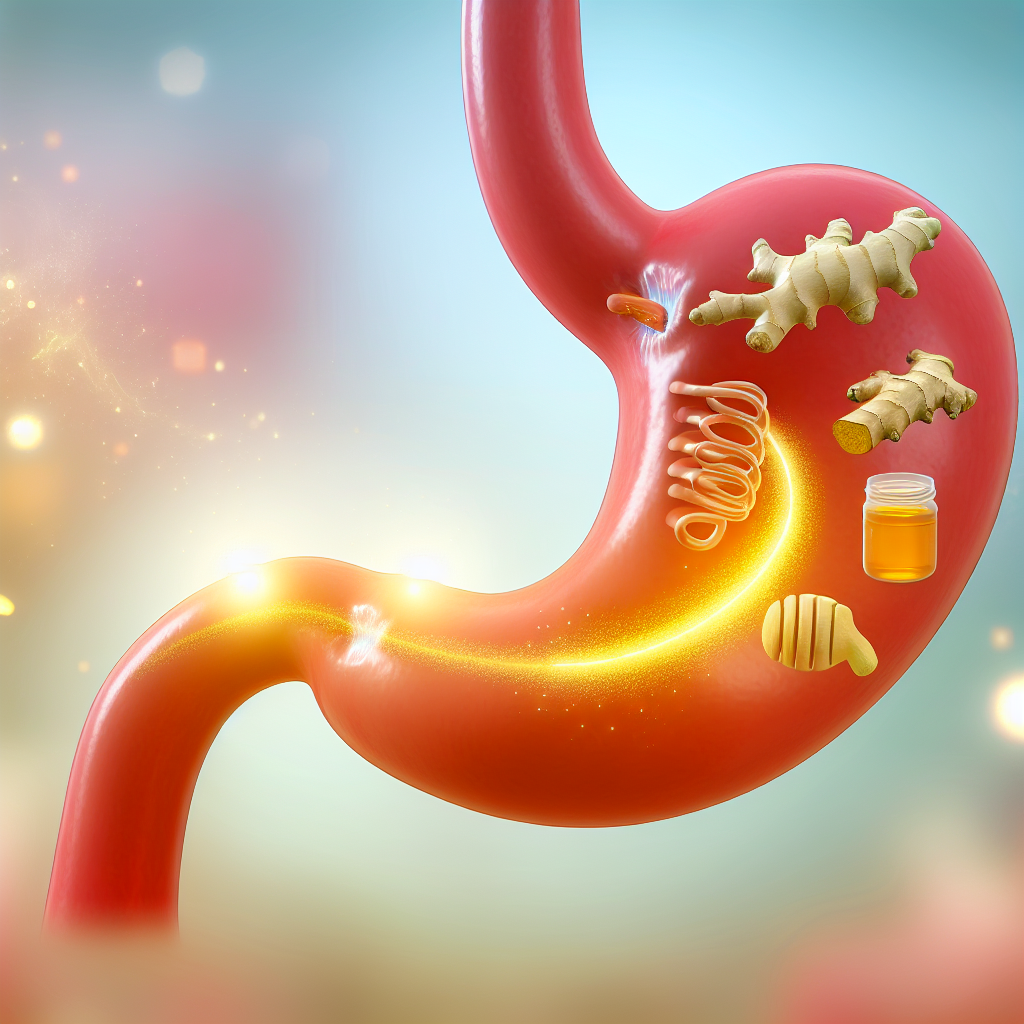
Ginger has long been used in folk remedies for nausea and indigestion. Its key components, gingerols and shogaols, are credited for protecting against NSAID-induced ulcers. A 2011 study in Food and Chemical Toxicology showed ginger extract helped inhibit oxidative stress and decreased inflammation, leading to gastric lining protection—particularly useful for those on frequent pain medications.
4. Aloe Vera
Aloe vera gel has soothing, anti-inflammatory properties that benefit the digestive tract. Rich in polysaccharides, aloe encourages cell proliferation for ulcer healing while calming inflamed stomach tissue. A clinical study published in Annals of the New York Academy of Sciences found aloe could reduce acid secretion and enhance mucosal protection, making it beneficial in active ulcerative conditions.
5. Flavonoids and Polyphenols
Flavonoids and polyphenols are antioxidants found abundantly in foods like berries, green tea, and cruciferous vegetables. These compounds neutralize free radicals and regulate digestive enzymes. A 2019 review in Oxidative Medicine and Cellular Longevity described how flavonoids modulate stomach acid, support gut immunity, and strengthen epithelial defense systems.
Integrating a variety of flavonoid-rich foods supports mucosal integrity and provides broader health benefits due to their systemic antioxidant action.
Conclusion
Ensuring the health of the stomach lining is essential for optimal gut function and overall wellness. Natural gastroprotective agents like licorice, ginger, curcumin, aloe vera, and polyphenols are shown by science to assist in healing the mucosal layer, reducing inflammation, and even fending off harmful pathogens like Helicobacter pylori.
These natural compounds can serve as effective, complementary therapies to conventional treatment, particularly helpful for individuals with chronic gastritis, peptic ulcers, or those on long-term NSAID therapy. However, as every individual’s health status is unique, it’s advisable to consult a healthcare provider before introducing herbal supplements into your routine.
References
- Pharmacological activities of Glycyrrhiza glabra – J Res Med Sci, 2012
- Curcumin supplementation improves digestive complaints – J Clin Biochem Nutr, 2013
- Gastroprotective effect of ginger – Food Chem Toxicol, 2011
- Oral Aloe Vera Gel for Ulcerative Colitis – Ann N Y Acad Sci, 2009
- Flavonoids as gastroprotective agents – Oxid Med Cell Longev, 2019

Dominic E. is a passionate filmmaker navigating the exciting intersection of art and science. By day, he delves into the complexities of the human body as a full-time medical writer, meticulously translating intricate medical concepts into accessible and engaging narratives. By night, he explores the boundless realm of cinematic storytelling, crafting narratives that evoke emotion and challenge perspectives.
Film Student and Full-time Medical Writer for ContentVendor.com