Natural Treatment for Bile Acid Malabsorption – BAM Solutions
Introduction
Bile Acid Malabsorption (BAM), also known as bile acid diarrhea, is a frequently underdiagnosed digestive disorder due to overlapping symptoms with conditions like Irritable Bowel Syndrome (IBS) and Crohn’s disease. It arises when bile acids, which are typically reabsorbed in the terminal ileum, escape into the colon. This leakage leads to symptoms such as chronic diarrhea, abdominal discomfort, and bloating.
Bile acids are essential for digesting dietary fats, and under typical conditions, about 95% of these compounds are reabsorbed and reused via the enterohepatic circulation. When this reabsorption is disrupted—as seen in cases of ileal resection, Crohn’s disease, radiation exposure, or idiopathic origins—bile acids become irritants to the colon.
Most conventional treatments involve bile acid sequestrants like cholestyramine or colesevelam. However, these can have drawbacks such as constipation, bloating, and interference with the absorption of certain nutrients and medications.
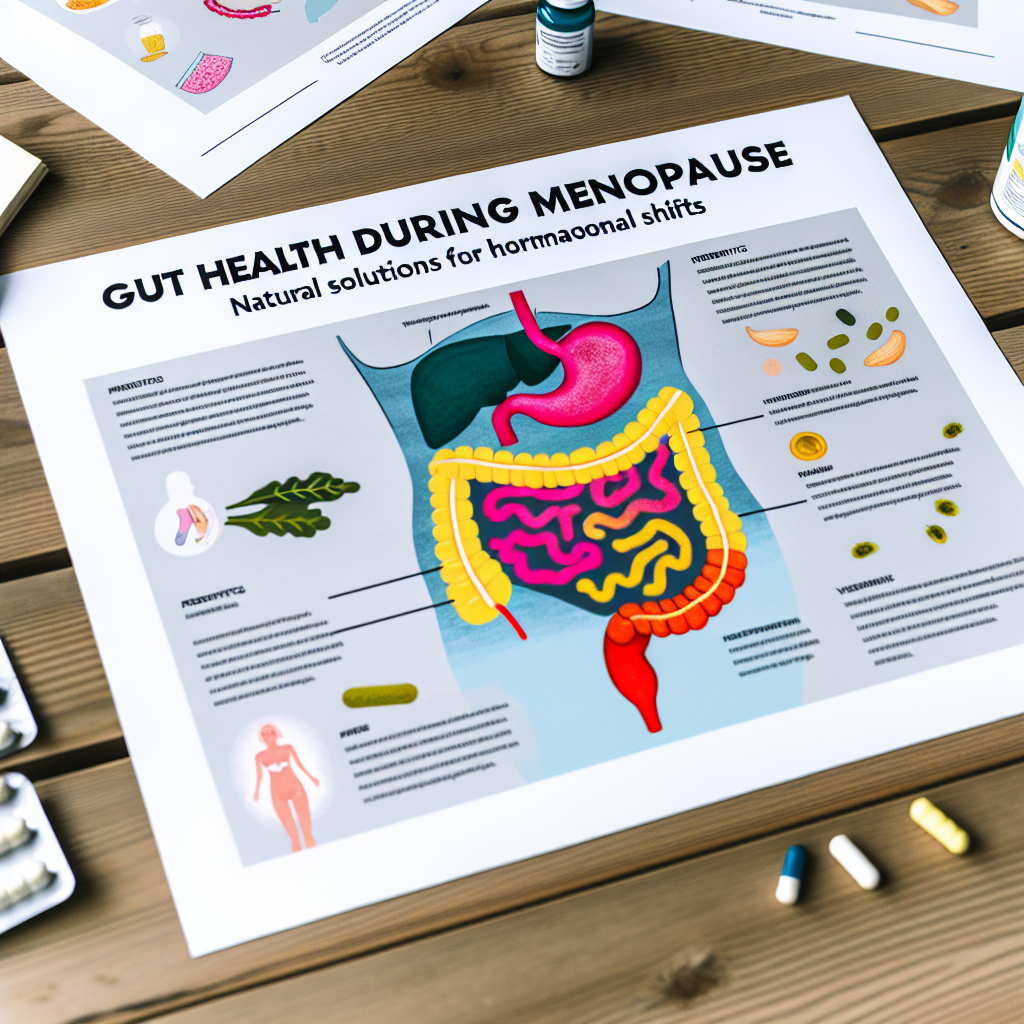
Consequently, patients are exploring natural remedies for BAM to manage symptoms in a gentler, holistic fashion. These alternatives aim to enhance bile acid regulation, improve gut lining integrity, and support digestive balance. Through a blend of dietary changes, herbal medicine, and nutritional support, individuals can take a more integrated approach to reclaim their quality of life.
Features: Medical and Professional Studies on Natural BAM Treatments
Although there is still limited research focused solely on herbal remedies for BAM, promising findings suggest several natural interventions may be effective.
Soluble Fiber plays a key role. According to research published in the journal Alimentary Pharmacology & Therapeutics, increasing soluble fiber intake helps absorb excess bile acids, reducing diarrhea. Excellent sources include:
– Psyllium husk
– Oats
– Flaxseeds
– Chia seeds
Particularly, psyllium works similarly to clinical bile acid binders. A study in Clinical and Translational Gastroenterology found it significantly improved stool consistency and reduced urgency in BAM patients.
Another powerful agent is curcumin, the active compound in turmeric. A study in Phytotherapy Research reported that curcumin reduces bile acid synthesis by affecting the farnesoid X receptor (FXR)—a crucial regulator of bile acid homeostasis—helping reduce BAM severity by decreasing bile production.
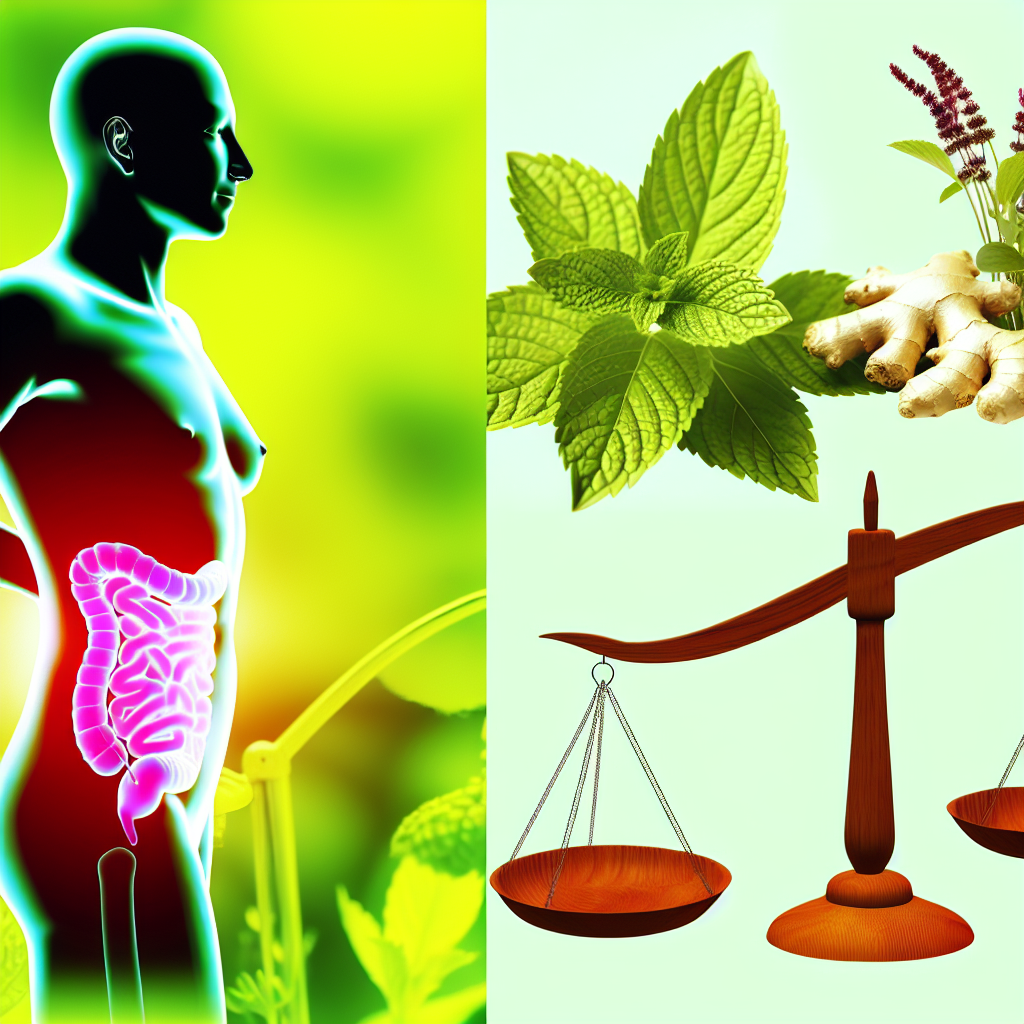
Moreover, traditional herbs like slippery elm and marshmallow root provide mucilage, forming a gel-like coating that soothes the inflamed gut lining. While human trials on these herbs for BAM are sparse, they are well-supported in herbal medicine literature for gut healing and protection.
Other notable interventions include:
– Probiotics: Particularly strains like Lactobacillus rhamnosus GG and Saccharomyces boulardii. A review in Nutrients found these bacteria regulate bile salt hydrolase activity, impacting bile acid breakdown and improving gut microbial balance.
– Vitamin D: A small study reported in BMJ Open Gastroenterology found that vitamin D supplementation positively influenced chronic diarrhea related to bile acid issues. Its effect is likely tied to immune regulation and improved mucosal immunity.
To round out natural BAM intervention, consider combining the following:
– High-fiber foods or fiber supplements (psyllium, oats, flaxseed)
– Anti-inflammatory herbs (curcumin/turmeric)
– Soothing herbs (slippery elm, marshmallow)
– Probiotics (Lactobacillus rhamnosus GG, Saccharomyces boulardii)
– Targeted nutrients like Vitamin D
When tailored to individual needs, these can support gut function, reduce inflammation, and naturally regulate bile acids over time.
Conclusion
Dealing with Bile Acid Malabsorption is challenging, especially when standard treatments either fall short or cause additional symptoms. Fortunately, a growing number of individuals are finding relief through natural and herbal therapies. Soluble fibers like psyllium, anti-inflammatory agents like turmeric, gut-soothing herbs, beneficial probiotics, and essential micronutrients such as Vitamin D show promising effects.
Even though more large-scale research is needed to formally establish these as standard treatments, holistic and integrative models are already changing the lives of many BAM sufferers. Always work with a qualified healthcare provider before starting new regimens, especially if combining natural and pharmaceutical options.
With proper guidance and strategy, it is possible to restore digestive balance and significantly improve overall well-being.
Concise Summary
Bile Acid Malabsorption (BAM) causes chronic diarrhea due to improper reabsorption of bile acids in the intestine. While traditional treatments include bile acid sequestrants, natural alternatives such as soluble fiber (psyllium), anti-inflammatory herbs (curcumin), gut-soothing botanicals (slippery elm), and probiotics offer relief with fewer side effects. Emerging research also supports vitamin D’s role in symptom reduction. A combined, holistic approach may significantly improve digestive health and quality of life for BAM sufferers. Always consult your healthcare provider before beginning any new treatment strategy.
References
– Wedlake, L., et al. “Fiber and Bile Acid Diarrhea.” Alimentary Pharmacology & Therapeutics, 2021.
– Talley, N. J., et al. “Psyllium Therapy and Chronic Diarrhea Relief.” Clinical and Translational Gastroenterology, 2020.
– Jeong, Y. T., et al. “Curcumin’s Regulation of Bile Acid Synthesis via FXR.” Phytotherapy Research, 2019.
– García, M., et al. “Probiotics and Bile Salt Hydrolase Activity: A Systematic Review.” Nutrients, 2020.
– Evans, G. J., et al. “Vitamin D and Bile Acid Diarrhea.” BMJ Open Gastroenterology, 2017.
– Bone, K. and Mills, S. “Principles and Practice of Phytotherapy: Modern Herbal Medicine.” 2nd Edition, Churchill Livingstone, 2013.
For additional research and resources, visit GutNow.com.

Dominic E. is a passionate filmmaker navigating the exciting intersection of art and science. By day, he delves into the complexities of the human body as a full-time medical writer, meticulously translating intricate medical concepts into accessible and engaging narratives. By night, he explores the boundless realm of cinematic storytelling, crafting narratives that evoke emotion and challenge perspectives.
Film Student and Full-time Medical Writer for ContentVendor.com