Natural Treatment for Ulcerative Colitis – Remission Maintenance Plan
Introduction
While **conventional treatments** (e.g., corticosteroids, aminosalicylates, biologics, and surgery) are commonly prescribed and effective, they can also carry **adverse side effects** when used long-term. As a result, there’s growing interest in **natural and holistic therapies** to manage UC—especially therapies that aim to restore gut integrity and reduce overall inflammation.
A **natural remission maintenance plan** focuses on:
– Decreasing **gut inflammation**
– Rebuilding the **intestinal mucosal barrier**
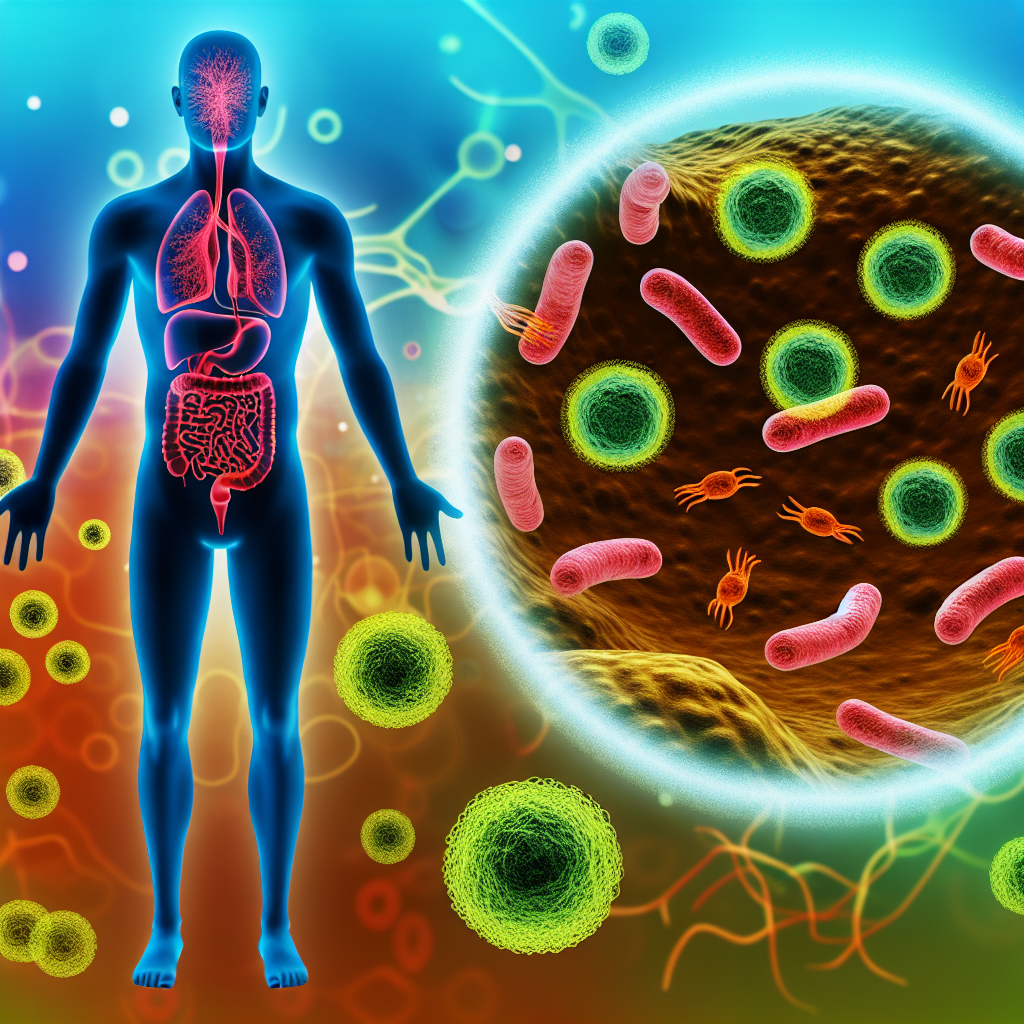
– Balancing the **gut microbiota**
– Regulating the **immune system**
These strategies are increasingly popular among UC sufferers due to their gut-friendly nature and minimal side effects. Preliminary research and user experiences suggest that **herbs**, **diet**, **probiotics**, and **lifestyle changes** can all play significant roles in maintaining remission naturally. For instance, **turmeric**, **boswellia**, **aloe vera**, and **slippery elm** are being studied for their healing properties. Likewise, **fermented foods**, **prebiotic fibers**, and **mind-body practices** like **mindfulness meditation** have proven helpful.
This article examines **science-backed natural remedies** and practical lifestyle changes that support **ulcerative colitis remission**, empowering readers with tools for long-lasting gut health.
Natural Remedies and Evidence
Curcumin (Turmeric)
Curcumin, the bioactive compound in **turmeric**, is one of the most promising herbs for UC due to its **anti-inflammatory** and **antioxidant** roles. A randomized, double-blind study published in Clinical Gastroenterology and Hepatology revealed that individuals who took 2g of curcumin daily alongside **mesalamine** had a much lower relapse rate (4.65%) compared to those who took mesalamine alone (20.51%) over a six-month period. [Read the full study here](https://www.sciencedirect.com/science/article/abs/pii/S1542356506004005).
Curcumin works by targeting **inflammatory cytokines** and inhibiting NF-κB, a molecule involved in inflammatory responses, thereby calming gut tissue inflammation and supporting mucosal healing. For best results, choose curcumin supplements formulated with **black pepper extract (piperine)** to improve absorption.
Boswellia Serrata
An ancient **Ayurvedic herb**, **boswellia serrata** has strong anti-inflammatory properties and inhibits enzymes like 5-lipoxygenase involved in leukotriene production, a key player in inflammation. According to a study published in the European Journal of Medical Research, 82% of UC patients taking boswellia resin achieved remission versus 75% who took **sulfasalazine**, a commonly prescribed drug. [Visit the study here](https://pubmed.ncbi.nlm.nih.gov/9049591/).
Boswellia is recognized for being well-tolerated and may be especially suitable for individuals seeking non-steroidal relief. Regular use might support both short-term flare-up control and long-term gut healing.
Aloe Vera
Known for its **soothing** and **regenerative** effects, **aloe vera gel** has shown potential as a natural aid for **ulcerative colitis symptoms**. A clinical trial published in Alimentary Pharmacology & Therapeutics found that 47% of patients who consumed oral aloe vera gel experienced symptom improvement with a noticeable reduction in **inflammation** and support for **mucosal repair**. [Access the study here](https://pubmed.ncbi.nlm.nih.gov/17210792/).
Aloe vera may be most effective when consumed in free-of-aloins and decolorized form to ensure safety and avoid potential irritation or laxative effects.
Probiotics and Gut Microbiota
A balanced **gut microbiome** is vital for UC remission. Probiotic strains like **Escherichia coli Nissle 1917** demonstrate similar effectiveness to the drug **mesalazine** in sustaining remission, according to research in the American Journal of Clinical Nutrition. [Explore the study](https://academic.oup.com/ajcn/article/73/6/1130S/4739663).
Probiotics help:
– Restore **beneficial bacteria**
– Improve the **gut barrier**
– Reduce **intestinal permeability**
Strains like **Lactobacillus**, **Bifidobacterium**, and **Saccharomyces boulardii** are also often studied for their supportive roles in gut immunity.
Anti-Inflammatory Diets
Diet heavily influences UC flare-ups. The **Mediterranean diet**, with high levels of **omega-3 fatty acids**, **polyphenols**, and **whole grains**, has anti-inflammatory effects. In a Nutrients journal study, patients on an **anti-inflammatory diet** showed reduced disease activity and higher remission rates. [See full article](https://www.mdpi.com/2072-6643/11/5/1074).
The diet emphasizes:
– Fatty fish (salmon, mackerel)
– Leafy greens and colorful vegetables
– Olive oil and nuts
– Limited red meat and processed foods
Additionally, incorporating **fermented foods** (like kimchi, sauerkraut, and kefir) and **prebiotic fibers** (from foods like garlic, onions, and oats) supports a gut microbiota environment that’s less prone to inflammation.
Stress Management and Mental Health
Stress is a known trigger for UC flare-ups. Chronic psychological stress affects **intestinal permeability**, weakens the **gut lining**, and disrupts the **microbiome**. Addressing emotional health is essential in any holistic UC remission strategy.
Practices such as:
– Mindfulness-based stress reduction (MBSR)
– **Yoga**
– **Meditation**
– **Cognitive Behavioral Therapy (CBT)**
have shown significant improvements in **quality of life** and reduced disease symptoms. An eight-week mindfulness program studied in Inflammatory Bowel Diseases found participants had marked improvements in disease outcomes. [Review the research](https://pubmed.ncbi.nlm.nih.gov/20186924/).
Conclusion
Maintaining remission in **ulcerative colitis** requires a **comprehensive** and **personalized approach**. While **standard treatments** remain foundational, **natural remedies** such as turmeric, boswellia, aloe vera, and probiotics serve as effective adjuncts in reducing flare-ups and promoting long-term healing.
Strategically combining these supplements with a **gut-supportive diet**, **stress-reduction practices**, and **proactive lifestyle adjustments** provides UC patients with a holistic option for disease management. Before adopting any new supplements or therapies, always consult with a healthcare provider to prevent medication interactions and monitor safety.
With mindful implementation and a focus on healing from within, **sustained remission from ulcerative colitis is achievable** without relying entirely on pharmaceuticals.
Concise Summary
Natural treatments for ulcerative colitis focus on minimizing inflammation, repairing the gut lining, and balancing microbiota to prevent flare-ups. Science supports herbs like turmeric, boswellia, and aloe vera, as well as specific probiotics like E. coli Nissle 1917, for maintaining remission. An anti-inflammatory Mediterranean diet and stress-reduction methods further enhance gut health. When thoughtfully integrated under medical guidance, these strategies can provide a safe and effective path to long-term remission for UC sufferers.
References
1. [Hanai H, et al. “Curcumin Maintenance Therapy for Ulcerative Colitis.” Clinical Gastroenterology and Hepatology, 2006.](https://www.sciencedirect.com/science/article/abs/pii/S1542356506004005)
2. [Gupta I, et al. “Effects of Boswellia serrata gum resin in patients with ulcerative colitis.” European Journal of Medical Research, 1997.](https://pubmed.ncbi.nlm.nih.gov/9049591/)
3. [Langmead L, et al. “Randomised, double-blind, placebo-controlled trial of oral aloe vera gel for active ulcerative colitis.” Alimentary Pharmacology & Therapeutics, 2004.](https://pubmed.ncbi.nlm.nih.gov/17210792/)
4. [Kruis W, et al. “Maintaining remission of ulcerative colitis with the probiotic Escherichia coli Nissle 1917 is as effective as with standard mesalazine.” American Journal of Clinical Nutrition, 2001.](https://academic.oup.com/ajcn/article/73/6/1130S/4739663)
5. [Marlow G, et al. “Dietary strategies to manage inflammatory bowel disease.” Nutrients, 2019.](https://www.mdpi.com/2072-6643/11/5/1074)
6. [Berrill JW, et al. “The impact of mindfulness-based therapy on quality of life and disease activity in ulcerative colitis.” Inflammatory Bowel Diseases, 2010.](https://pubmed.ncbi.nlm.nih.gov/20186924/)

Dominic E. is a passionate filmmaker navigating the exciting intersection of art and science. By day, he delves into the complexities of the human body as a full-time medical writer, meticulously translating intricate medical concepts into accessible and engaging narratives. By night, he explores the boundless realm of cinematic storytelling, crafting narratives that evoke emotion and challenge perspectives.
Film Student and Full-time Medical Writer for ContentVendor.com