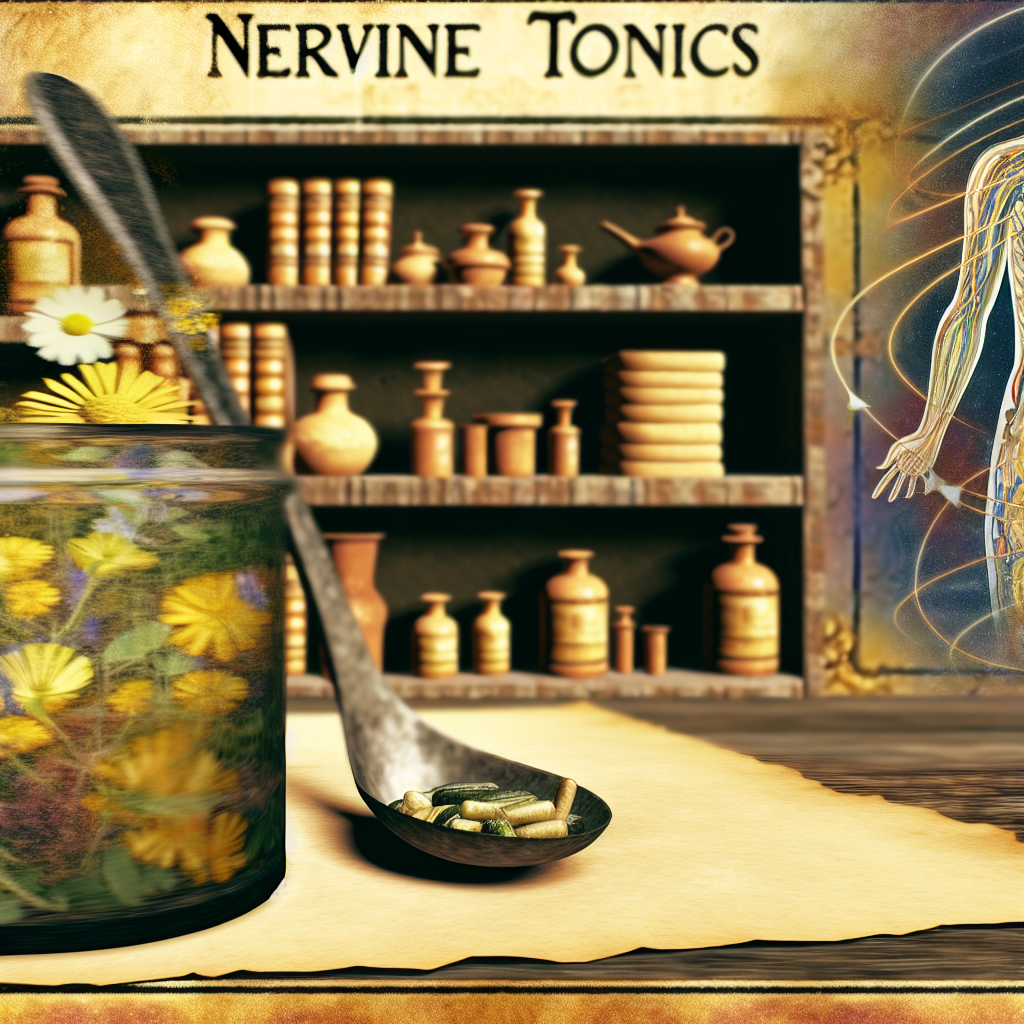
Nervine Tonics for Functional Dyspepsia: Calming the Nervous System to Ease Upper GI Discomfort
Introduction
**Functional dyspepsia** is a prevalent **gastrointestinal disorder** characterized by upper abdominal discomfort, pain, bloating, and a feeling of fullness. Unlike some medical conditions with a single identifiable cause, it is more of a symptom complex linked to **motility disturbances** in the upper GI tract. The **nervous system** plays a significant role, as stress and anxiety often worsen symptoms, pointing to the **gut-brain axis**.
With a growing interest in natural, holistic health approaches, many turn to herbal remedies like nervine tonics. This interest is backed by research supporting their use as adjunctive treatments. **Science** continues to explore the impact of herbal medicine on conditions like functional dyspepsia, aligning with a natural lifestyle and offering effective symptom management and improved overall gut health.
Features
The connection between the **nervous system** and **gut health** is a current research focus, especially regarding functional dyspepsia. Emerging evidence suggests that nervine tonics can impact the gut-brain axis, providing symptom relief. Studies show they contain **bioactive compounds** that modulate the nervous system.
**Chamomile** is well-documented for reducing anxiety and promoting digestion [source: NCBI](https://www.ncbi.nlm.nih.gov/pmc/articles/PMC2995283/). **Lemon balm** (Melissa officinalis) has anxiolytic properties in clinical trials, making it viable for stress-related digestive issues [source: NCBI](https://www.ncbi.nlm.nih.gov/pmc/articles/PMC3326910/). It enhances **GABA** availability in the brain, exerting calming effects and alleviating dyspeptic symptoms.
**Valerian** (Valeriana officinalis) soothes the nervous system with sedative and anxiolytic effects. Its roots contain **valerenic acid**, shown to modulate the GABA receptor [source: NCBI](https://www.ncbi.nlm.nih.gov/pmc/articles/PMC4394901/). By easing tension, valerian promotes relaxation, helping mitigate GI discomfort from stress.
Other nervine tonics like **passionflower** (Passiflora incarnata) and **skullcap** (Scutellaria lateriflora) reduce anxiety and promote sleep, aiding in functional dyspepsia management [source: NCBI](https://www.ncbi.nlm.nih.gov/pmc/articles/PMC3358915/). These herbs act synergistically to improve gut health and overall well-being.
Interest in herbal medicine for functional dyspepsia aligns with holistic health views, emphasizing stress and anxiety management for digestive health. Supported by traditional use and scientific studies, the role of nervine tonics in integrative healthcare practices gains validation.
Conclusion
Nervine tonics offer a promising natural approach to managing **functional dyspepsia** by targeting the nervous system, a key digestive health player. These herbal remedies alleviate stress and anxiety while supporting digestion, providing relief for those suffering from this prevalent GI disorder. Incorporating nervine tonics into a comprehensive treatment plan alongside conventional options presents a valuable strategy. As scientific evidence grows, patients and healthcare professionals can confidently use these remedies to calm the nervous system and ease upper gastrointestinal discomfort.
Concise Summary
Nervine tonics present a natural approach to managing functional dyspepsia by targeting the nervous system. Stress and anxiety strongly influence this gastrointestinal disorder, making nervines like chamomile, lemon balm, and valerian valuable for symptom relief. These herbs contain bioactive compounds that can calm the nervous system and alleviate upper GI discomfort through modulation of GABA availability. As interest in holistic health grows, incorporating nervine tonics alongside conventional treatments offers an effective strategy for gut health. Supported by both traditional use and expanding scientific research, nervines promise a complementary avenue for easing symptoms.

Dominic E. is a passionate filmmaker navigating the exciting intersection of art and science. By day, he delves into the complexities of the human body as a full-time medical writer, meticulously translating intricate medical concepts into accessible and engaging narratives. By night, he explores the boundless realm of cinematic storytelling, crafting narratives that evoke emotion and challenge perspectives.
Film Student and Full-time Medical Writer for ContentVendor.com