Nutrient Repletion for Leaky Gut: Key Micronutrients Required for Tight Junction Protein Synthesis
Introduction
Leaky gut syndrome, or increased intestinal permeability, is a growing concern within functional and integrative medicine, affecting gut health and contributing to various chronic conditions. A healthy gut lining functions as a selective barrier, allowing nutrient absorption while blocking toxins, pathogens, and undigested food particles. In leaky gut, this barrier breaks down, leading to widespread inflammation, autoimmune diseases, food intolerances, and even neuropsychological symptoms.
Central to maintaining gut barrier integrity are tight junction proteins like claudins, occludins, and ZO proteins, which seal the spaces between intestinal epithelial cells. Damage or insufficient synthesis of these proteins compromises the gut’s defensive capabilities.
To restore and protect this barrier, one must go beyond removing irritants or pathogens—nutrient repletion is essential. Micronutrients are the biochemical building blocks necessary for synthesizing and regulating tight junction proteins. Unlike medications that may suppress symptoms, nutrient therapy targets the source of dysfunction, promoting long-term epithelial repair.
Understanding the role of specific vitamins and minerals in supporting the tight junction matrix reveals a powerful, natural strategy to reverse or manage leaky gut and optimize digestive health. The following examines key nutrients and their contribution to gut healing, alongside dietary sources and supplementation strategies.
The Science Behind Micronutrients and Gut Barrier Integrity
Several clinical studies have confirmed that specific micronutrients regulate the expression and stability of tight junction proteins, which in turn affect gut permeability. Deficiencies in these nutrients can either initiate or exacerbate the permeability process. Here’s a closer look at the critical nutrients essential for rebuilding the intestinal lining:
1. Zinc
Zinc is essential in the regulation of intestinal tight junctions. It supports wound healing, immune defense, and mucosal repair. According to a study in the Journal of Nutrition, zinc supplementation improves intestinal barrier function in patients with Crohn’s disease. Zinc enhances epithelial regeneration and reduces inflammation by modulating NF-κB and other cellular repair pathways. Its deficiency can lead to impaired immune response and weakened barrier function.
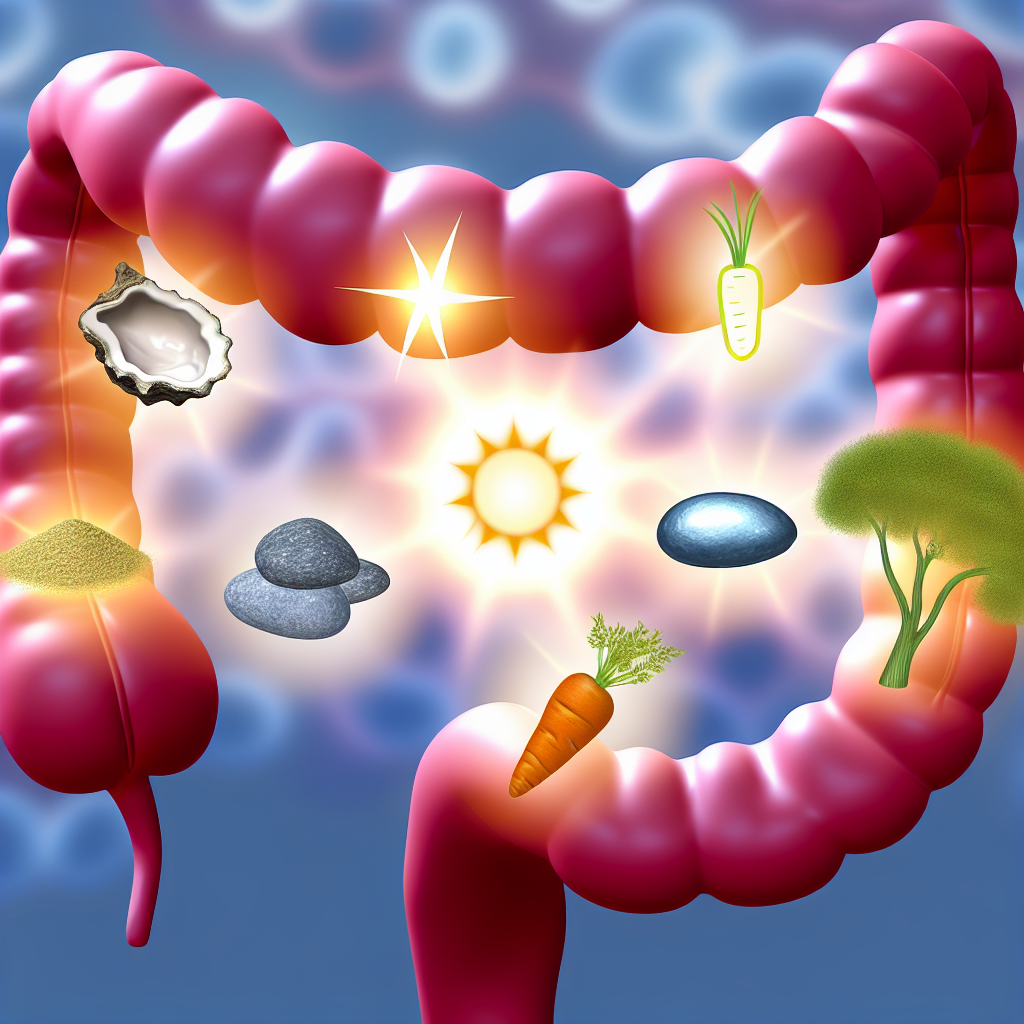
Best food sources include: pumpkin seeds, chickpeas, oysters, lentils, and nuts.
2. Vitamin D
Vitamin D modulates both immune and epithelial cells via its receptor, VDR, which is abundant in gut tissue. According to the American Journal of Physiology, vitamin D directly upregulates tight junction components like claudin and occludin. This strengthens the mucosal barrier, reduces apoptosis, and may prevent pathogen translocation.
Get vitamin D from fatty fish (e.g., salmon, sardines), sun exposure (20 minutes/day), egg yolks, and fortified foods.
3. L-Glutamine
L-Glutamine is a conditionally essential amino acid used as the primary fuel for enterocytes. During gut distress, such as infections, chemotherapy, or inflammation, glutamine becomes depleted. This depletion hinders mucosal regeneration. Studies, including data from Clinical Nutrition, show glutamine enhances tight junction protein expression and integrity.
Dietary glutamine sources include bone broth, beef, eggs, spirulina, and cabbage. Supplemental forms are useful during acute gut healing protocols.
4. Vitamin A
Vitamin A plays a pivotal role in epithelial renewal and T cell function through retinoic acid. It helps shape mucosal immunity inside the gut-associated lymphoid tissue (GALT). A deficiency can increase risk for infections and compromise epithelial integrity. According to the International Journal of Molecular Sciences, vitamin A is vital to tight junction protein regulation.
Sources include liver, sweet potatoes, carrots, kale, spinach, and other colorful veggies (beta-carotene converts to vitamin A).
5. Magnesium
Magnesium supports hundreds of enzymatic reactions, especially those involving DNA repair, anti-inflammatory signaling, and energy production (ATP). Lack of magnesium is linked to systemic and gut-specific inflammation. The European Journal of Clinical Nutrition associates low magnesium intake with increased intestinal leakiness and compromised epithelial relaxation responses.
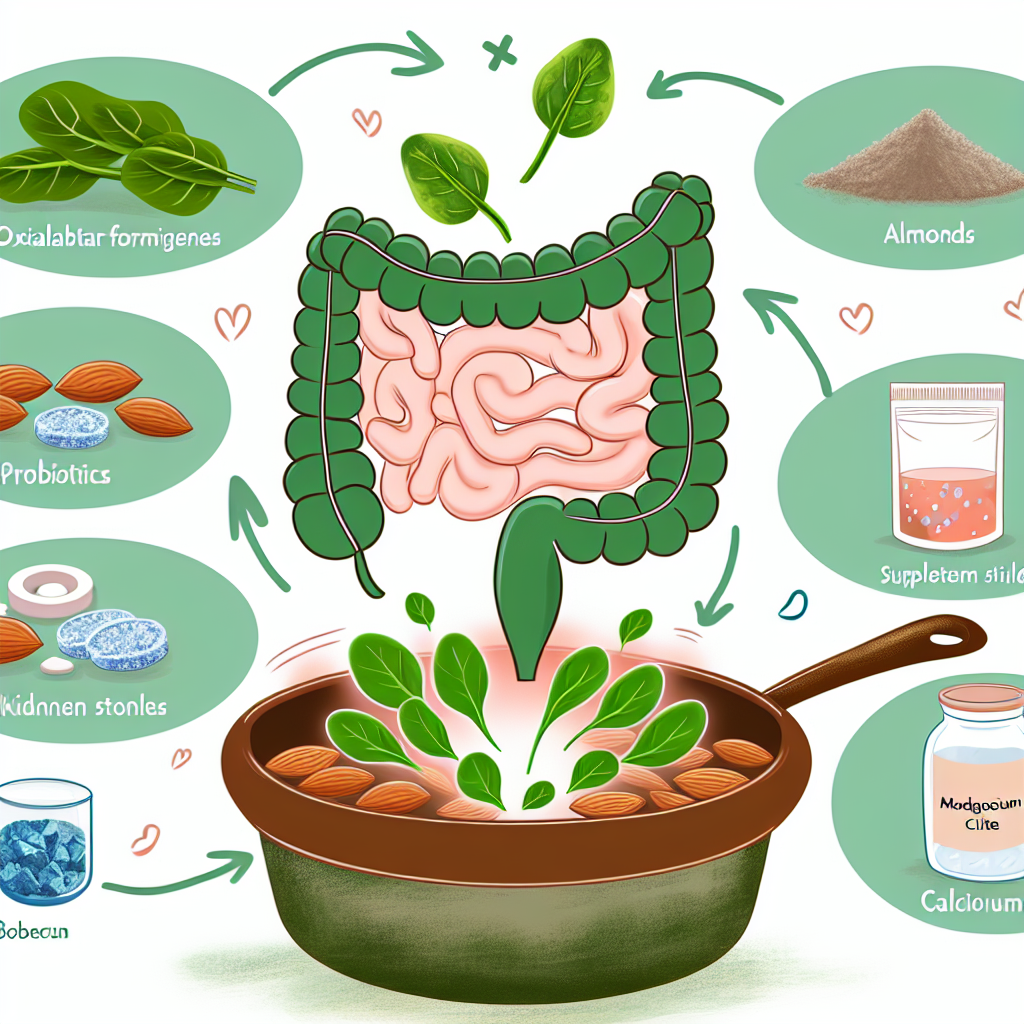
Foods rich in magnesium include leafy greens, pumpkin seeds, almonds, black beans, and avocados.
6. Omega-3 Fatty Acids
Omega-3 fats (especially EPA and DHA) regulate inflammation and support membrane integrity. A 2013 study in the Journal of Lipid Research found that omega-3s protect tight junctions from inflammation-induced disruption, preserving gut barrier function and improving cytokine profiles.
Best sources: salmon, mackerel, sardines, flaxseeds, walnuts, and algae oil (vegan-friendly EPA/DHA options).
Personalized Nutrient Strategies
Today, many integrative and functional providers routinely check for micronutrient deficiencies through blood or functional testing (intracellular nutrient panels). These assessments help derive a personalized repletion protocol tailored to the individual’s health status, lifestyle, and genetics.
Whole food nutrition remains foundational—for both prevention and recovery. Supplements provide therapeutic dosing when dietary intake falls short or when a faster intervention is needed. A three-pronged strategy generally includes:
– Nutrient-dense whole-food eating.
– Targeted nutrient supplementation.
– Removal of inflammatory triggers (gluten, refined sugars, chronic stress).
Conclusion
Tight junction proteins are crucial to a healthy gastrointestinal lining, and their synthesis, function, and repair depend on key micronutrients. Deficiencies in zinc, vitamin D, glutamine, vitamin A, magnesium, and omega-3 fatty acids can compromise gut integrity, contributing to the cascade of symptoms associated with leaky gut.
By incorporating a diet rich in gut-healing nutrients and correcting any underlying deficiencies, individuals can restore structure and function to the intestinal barrier. This cellular-level healing approach allows the body’s natural biology to correct leaky gut, reduce inflammation, and support long-term wellness.
Concise Summary
Leaky gut, caused by weakened tight junction proteins, contributes to chronic inflammation and autoimmune conditions. Essential micronutrients—including zinc, vitamin D, L-glutamine, vitamin A, magnesium, and omega-3s—support the repair and synthesis of these proteins. Supplementation and whole-food intake of these nutrients can help restore gut lining integrity. Personalized repletion protocols, guided by nutrient testing, offer an effective, root-cause approach to healing the gut and protecting long-term digestive and immune health.
References
– Siva, S., Rubin, D. (2001). Zinc supplementation and intestinal barrier in Crohn’s disease. Journal of Nutrition.
– Wang, T. T., et al. (2015). Vitamin D and tight junctions. American Journal of Physiology.
– Kim, M. H., Kim, H. (2017). Glutamine’s role in gut health. Clinical Nutrition.
– Villamor, E., Fawzi, W. W. (2005). Vitamin A on immune and mucosal function. International Journal of Molecular Sciences.
– Rayssiguier, Y., et al. (2010). Magnesium deficiency and intestinal permeability. EJCN.
– Watson, H., et al. (2013). Omega-3 impact on permeability. Journal of Lipid Research.

Dominic E. is a passionate filmmaker navigating the exciting intersection of art and science. By day, he delves into the complexities of the human body as a full-time medical writer, meticulously translating intricate medical concepts into accessible and engaging narratives. By night, he explores the boundless realm of cinematic storytelling, crafting narratives that evoke emotion and challenge perspectives.
Film Student and Full-time Medical Writer for ContentVendor.com