Parasites and Gut Health – Natural Detection and Elimination
Introduction
The gut is a dynamic ecosystem containing trillions of microorganisms, including beneficial bacteria, viruses, and fungi. However, it can also harbor more harmful inhabitants—intestinal parasites. These organisms can significantly impact digestive health, impair nutrient absorption, and trigger chronic symptoms if left unchecked.
While parasites are more common in regions with poor sanitation, they are also found in industrialized nations due to factors like contaminated water, undercooked meats, international travel, and inadequate hygiene. Symptoms like bloating, gas, fatigue, and mental fog often mimic other gut disorders, complicating diagnosis.
While pharmaceuticals exist for treatment, they often come with side effects and can disrupt gut flora. As a result, many prefer natural remedies for parasites that maintain the balance of the gut microbiome.
This article explores methods to detect and naturally eliminate parasites using herbal remedies, dietary protocols, and probiotics. These approaches enhance immune function and energy while restoring gut harmony.
Medical and Scientific Insights
The relationship between gut health and intestinal parasites is increasingly studied in modern research.
A 2021 study in the journal Gut Microbes found that parasites can cause gut dysbiosis, increase inflammation, and contribute to leaky gut syndrome, triggering autoimmune issues like IBS and Crohn’s disease.
Another study in the International Journal of Parasitology indicated that even asymptomatic individuals can carry parasites such as Blastocystis hominis. Those with a higher parasitic load were more likely to report fatigue and gastrointestinal distress.
In terms of treatment, a 2018 study in Phytotherapy Research demonstrated that a combination of wormwood, black walnut hull, and clove effectively reduced parasitic loads without harming beneficial gut flora.
Further, probiotics are proving critical in the fight against parasites. A 2020 study in Frontiers in Microbiology showed that Lactobacillus rhamnosus GG boosted mucosal immunity and reduced severity of Giardia lamblia in infected mice.
Additionally, dietary patterns such as minimizing sugar and processed carbs help reduce parasitic survival. Intermittent fasting improves the host’s immune response and gut macrophage activity—both essential for eliminating unwanted organisms.
Natural Detection and Elimination Techniques
1. At-Home Stool Testing
Advanced DNA-based stool tests like GI-MAP and Parasitology x3 can identify both live and dormant parasitic materials. These at-home tests are highly accurate and help pinpoint the presence of specific organisms like protozoa or helminths.
2. Antiparasitic Herbs
Natural herbs offer effective and low-risk antiparasitic action:
– Wormwood (Artemisia absinthium): Contains sesquiterpene lactones that disrupt parasite membrane integrity.
– Black Walnut Hull: Rich in juglone, an antiparasitic compound targeting worms and protozoa.
– Clove: Contains eugenol, effective in destroying parasite eggs, thereby preventing recurrence.
Used together, these herbs provide a synergistic effect to treat both active infections and dormant stages.
3. Digestive Support
Digestive enzymes—particularly those with protease, amylase, and lipase—can break down the biofilm that some parasites use as a protective shield. This aids the body’s natural efforts to purge parasites and supports better nutrient absorption during the cleansing process.
4. Probiotic Intervention
Probiotics play a defensive role by fortifying the gut microbiota to resist foreign invaders:
– Saccharomyces boulardii: A yeast that inhibits parasite adhesion in the intestines.
– Lactobacillus acidophilus: Restores balance after disruptions.
– Bifidobacterium longum: Supports immune modulation and gut lining integrity.
Post-infection, these strains help rebalance the microbiome and reduce inflammation.
5. Dietary Adjustments
A dietary approach can significantly hinder parasitic growth:
– Avoid sugar, alcohol, and refined carbs that feed parasites.
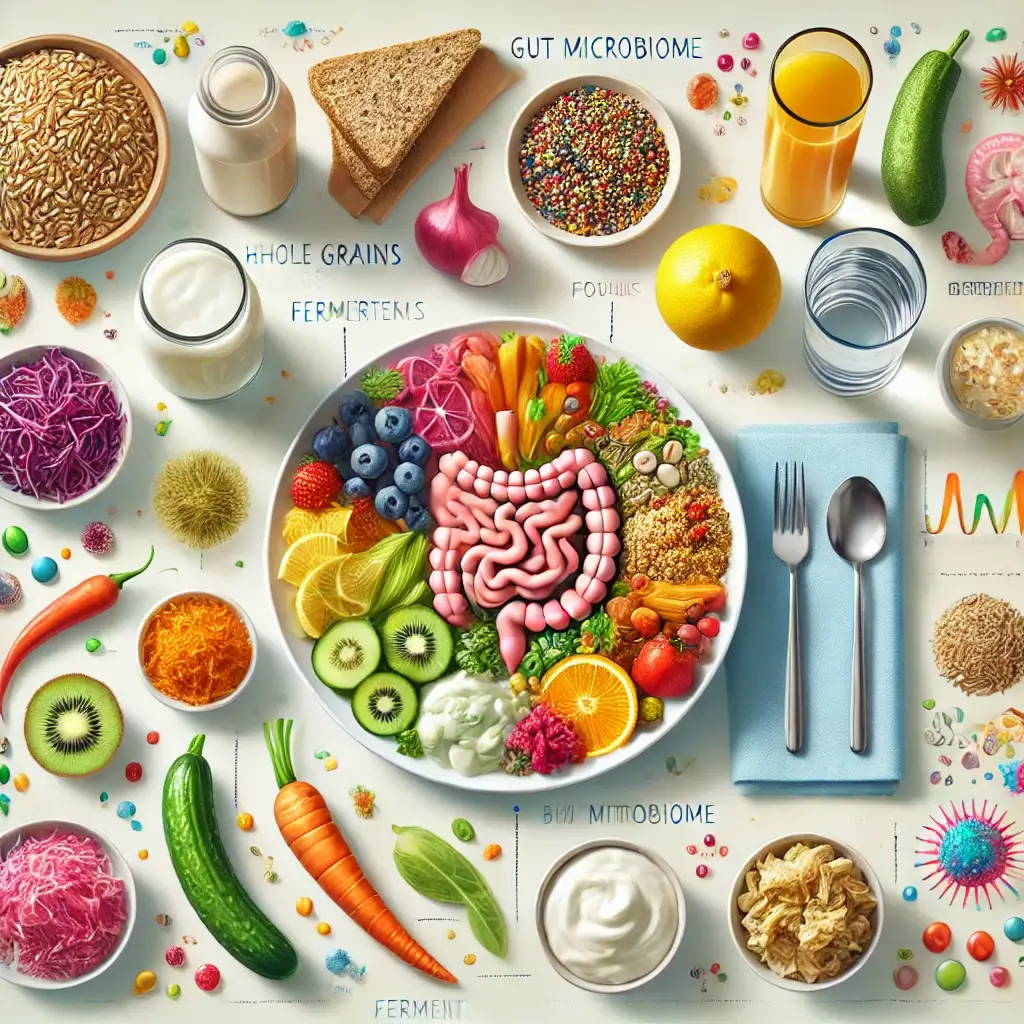
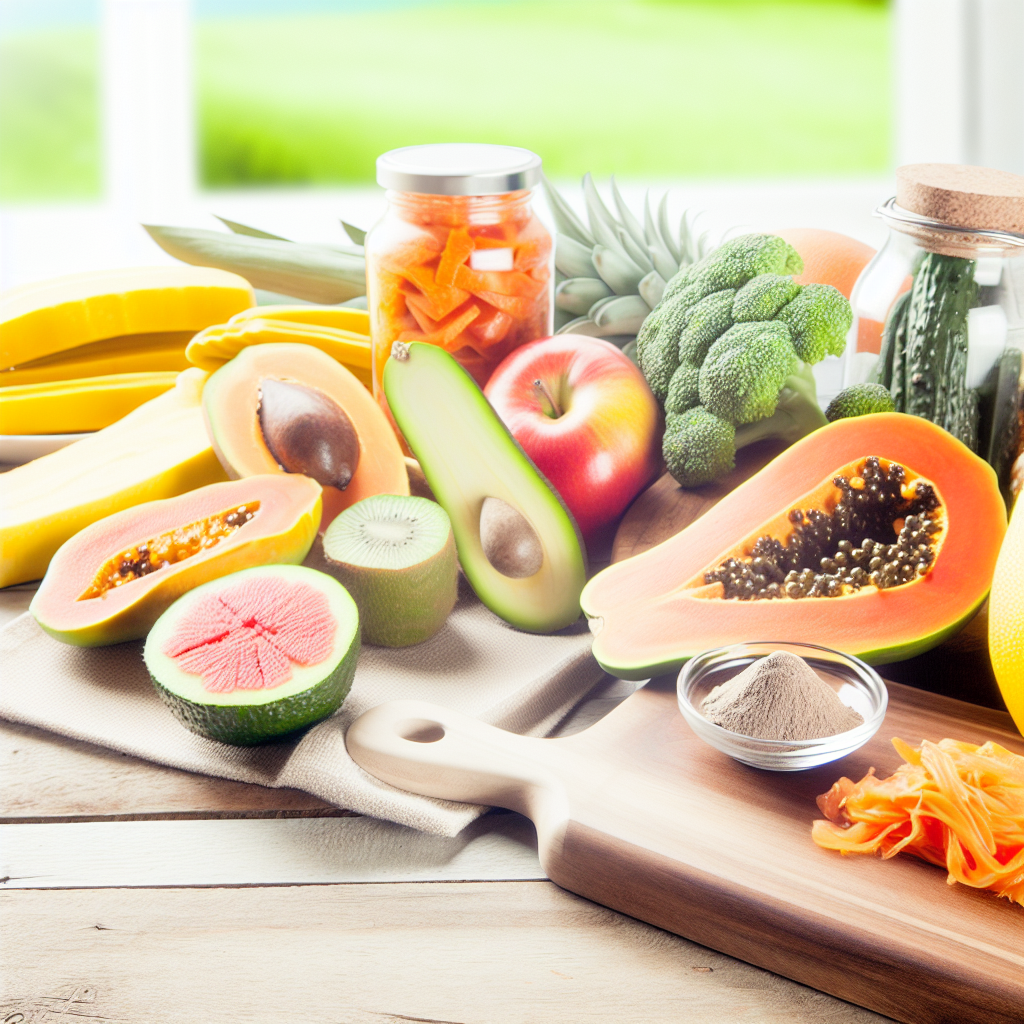
– Include natural antiparasitic foods: garlic, papaya seeds, pumpkin seeds, and fermented vegetables like sauerkraut or kimchi.
– Eat fiber-rich vegetables to support regular bowel movements and detoxification.
6. Fasting and Hydration
Intermittent fasting improves immune regulation and stimulates autophagy, enhancing parasite elimination. Combined with adequate hydration—which prevents constipation and supports lymphatic detoxification—this practice provides a safe and natural boost to gut cleansing efforts.
Conclusion
Parasitic infections often go unidentified, yet they can drastically impair gut function, immune strength, and nutrient assimilation. Thankfully, natural solutions exist. Diagnostic tools, botanical herbs, probiotic support, and dietary strategies empower individuals to reclaim digestive health without resorting to aggressive pharmaceuticals. These holistic methods not only eliminate parasites but also fortify the intestinal ecosystem. As modern research continues to support functional and integrative approaches, natural parasite cleansing protocols are becoming a cornerstone for maintaining long-term gut and immune wellness.
Concise Summary
Intestinal parasites can silently disrupt digestive health, nutrient absorption, and immunity. Though common in various settings, they often remain undiagnosed due to vague symptoms. Natural elimination protocols—including DNA-based stool testing, herbal antiparasitics like wormwood and clove, probiotics, enzyme therapy, and dietary changes—offer effective, low-impact alternatives to pharmaceuticals. Scientific studies support these methods, showing parasite reduction, reduced inflammation, and improved gut balance. By integrating these holistic strategies, individuals can restore gut health, boost energy, and enhance overall wellness through nature-aligned solutions.
References
1. Gut Microbes Journal (2021) – Parasites and Gut Microbiome
2. International Journal of Parasitology – Parasitic Load and GI Symptoms
3. Phytotherapy Research (2018) – Efficacy of Herbal Antiparasitics
4. Frontiers in Microbiology (2020) – Probiotics and Giardia

Dominic E. is a passionate filmmaker navigating the exciting intersection of art and science. By day, he delves into the complexities of the human body as a full-time medical writer, meticulously translating intricate medical concepts into accessible and engaging narratives. By night, he explores the boundless realm of cinematic storytelling, crafting narratives that evoke emotion and challenge perspectives.
Film Student and Full-time Medical Writer for ContentVendor.com