Photobiomodulation for Abdominal Adhesions: Using Red Light Therapy to Support Tissue Mobility and Function
Introduction
Abdominal adhesions are bands of fibrous scar tissue that abnormally connect internal tissues and organs, often arising from surgical procedures, inflammation, infections, or trauma. These internal scars affect more than 90% of individuals undergoing abdominal surgery. They can restrict organ movement, cause pain, digestive issues, and in severe cases, result in bowel obstructions. Because of their invasive nature and tendency to recur after surgery, traditional treatments like adhesiolysis are often ineffective long-term.
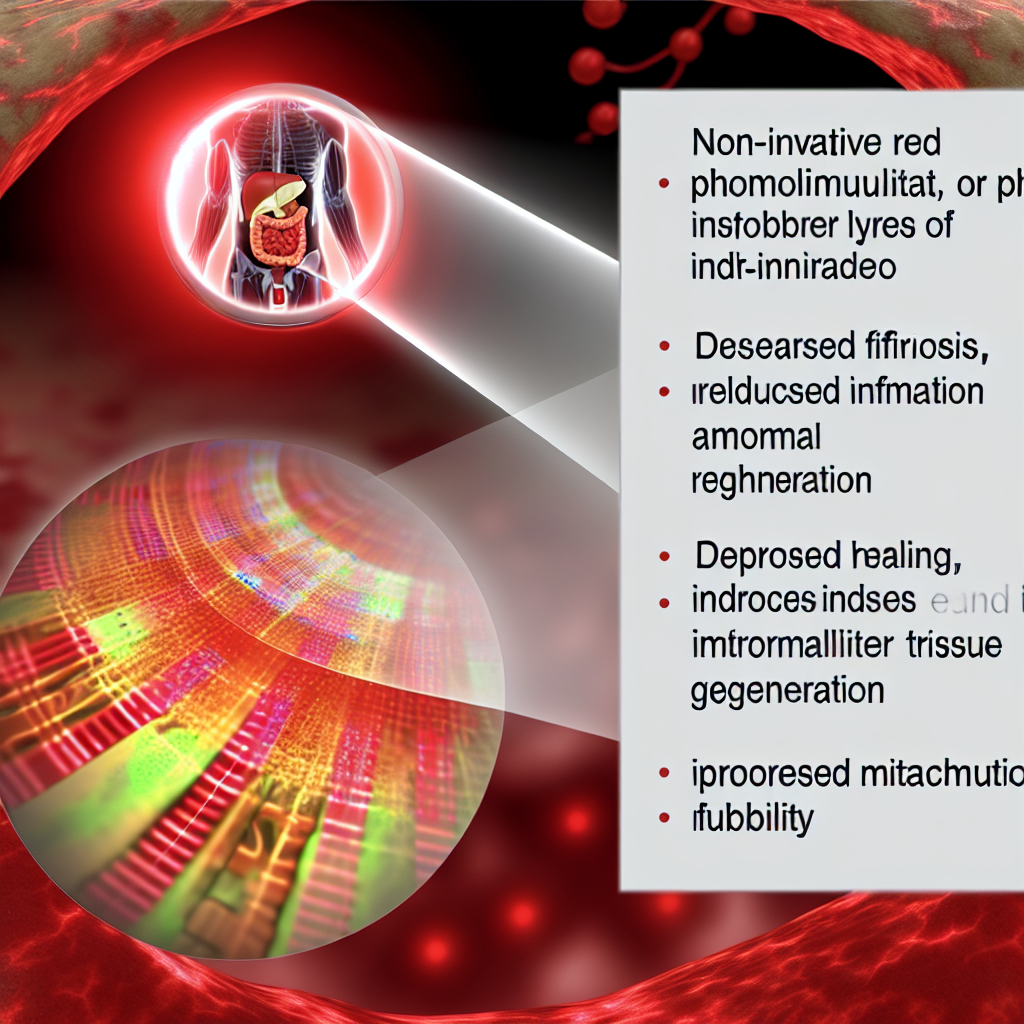
Enter photobiomodulation (PBM), also known as red light therapy, a non-invasive alternative therapy attracting interest for its tissue-healing properties. PBM uses specific wavelengths of red and near-infrared (NIR) light to penetrate deep into tissues, where it stimulates cellular regeneration, reduces inflammation, and improves circulation. These effects can potentially modulate or reverse the fibrotic tissue changes that cause adhesions.
PBM aims not just to relieve symptoms, but to restore functional tissue mobility by influencing the underlying structural issues. For individuals grappling with chronic pain, surgical side effects, or inflammatory conditions like endometriosis, PBM may offer a holistic, science-backed approach to gut and abdominal well-being.
Scientific Insights on Photobiomodulation and Adhesions
The healing effects of red and near-infrared light therapy are well-supported by contemporary research in cellular biology. PBM operates in the 600–1000 nm wavelength range and is absorbed by chromophores like cytochrome c oxidase in the mitochondria. This interaction boosts ATP production, enhances nitric oxide release, and reduces oxidative stress, which altogether help reduce inflammation and accelerate tissue repair.
A pivotal study in 2017 published in the journal Lasers in Medical Science showed red light’s ability to significantly reduce TGF-β1, a cytokine closely linked to fibrotic activity and scar tissue development. By downregulating this pathway, PBM may play a proactive role in preventing or softening dense adhesions.
Read Full Study
Similarly, a 2020 review in Photobiomodulation, Photomedicine, and Laser Surgery highlighted enhanced wound healing, improved epithelialization, and a decrease in inflammation following PBM application, underscoring the therapy’s utility post-surgery.
Read Article
Near-Infrared light (810–980 nm) can penetrate tissues up to 4-5 cm deep. This profound depth allows for effective modulation of internal adhesions and facilitates meaningful impact on deeper organs like the intestines, uterus, and pelvic floor musculature. For those with mature or dense adhesions, this is especially advantageous since other surface therapies cannot reach these areas.
Another compelling 2019 study in Pain Research and Management demonstrated symptom relief in individuals with chronic pelvic pain syndrome, a common aftermath of abdominal adhesions. Participants experienced significant reductions in soreness and stiffness with PBM directed at pelvic and abdominal regions.
Access Study
As a result, more practitioners—especially physical therapists, pelvic health specialists, and functional medicine providers—are incorporating PBM into rehabilitation programs for postsurgical recovery, endometriosis management, and general tissue mobilization strategies. Specialized PBM devices and at-home units now make it more accessible than ever to incorporate red light into self-care protocols.
Mechanisms of Action
Red light therapy activates cellular healing through several interrelated mechanisms:
– Boosting adenosine triphosphate (ATP) for enhanced energy metabolism
– Promoting mitochondrial respiration and efficiency
– Increasing microcirculation and oxygen delivery
– Reducing inflammatory cytokines like IL-6 and TGF-β1
– Softening dense fibrotic tissue via modulation of fibroblast activity
These combined effects restore functionality to aberrant tissue by improving metabolic output, limiting inappropriate collagen deposition, and reestablishing neuromuscular communication. In the abdomen, this could translate to improved digestive motility, less bloating, and relief from mechanical pain due to tethered tissue.
Application Protocols
While clinical protocols vary, general recommendations for abdominal applications include:
– Wavelengths: 660 nm (red) and 850–940 nm (near-infrared)
– Treatment Duration: 10–20 minutes per region
– Frequency: 3–5 times per week
– Distance: 6–12 inches from the skin depending on device specs
It’s advised to focus sessions along surgical scar lines, areas of tension or tightness, and across the lower abdominal quadrants. Advanced users may combine PBM with abdominal massage, myofascial release, or visceral manipulation for synergistic benefits.
Conclusion
Abdominal adhesions are an often-overlooked cause of chronic abdominal discomfort, limited mobility, and impaired organ function. Traditional solutions are invasive and may worsen the problem. In contrast, red light therapy offers a compelling non-invasive solution to reduce fibrosis, stimulate mitochondrial activity, and encourage normalized tissue motion. Supported by a growing evidence base, photobiomodulation may help patients avoid surgical recurrence and restore freedom in the abdominal region. As research expands, this promising modality is increasingly being embraced as an essential part of integrative healing for gut, pelvic, and myofascial health.
References
– Huang YY, Sharma SK, Carroll J, Hamblin MR. “Biphasic dose response in low level light therapy.” Dose-Response.
Read Here
– de Freitas LF, Hamblin MR. “Proposed Mechanisms of Photobiomodulation or Low-Level Light Therapy.” IEEE Journal of Selected Topics in Quantum Electronics.
Read Here
– Dos Reis FAV, et al. “Effect of Low-Level Laser Therapy (LLLT) on Fibrosis.” Lasers Med Sci. (2017)
Read Study
– Barolet D, et al. “Photobiomodulation therapy in management of skin wounds and scars.” Photomed Laser Surg. (2020)
Full Article
– Kutch JJ, et al. “Evaluation of neurogenic inflammation in chronic pelvic pain patients receiving infrared laser therapy.” Pain Research and Management (2019)
Open Access Link
Concise Summary
Abdominal adhesions—caused by surgery, endometriosis, or inflammation—restrict organ movement and lead to chronic pain. Photobiomodulation (PBM), or red light therapy, uses red and near-infrared light to promote cellular repair, reduce inflammation, and modulate scar tissue. With its penetration ability and anti-fibrotic effects, PBM supports tissue mobility and pain relief. Studies show it downregulates fibrotic markers, enhances wound healing, and improves pelvic discomfort. For those dealing with post-surgical complications or adhesive pain, red light therapy offers a promising, non-invasive option to complement integrative tissue healing, restore organ function, and improve quality of life.

Dominic E. is a passionate filmmaker navigating the exciting intersection of art and science. By day, he delves into the complexities of the human body as a full-time medical writer, meticulously translating intricate medical concepts into accessible and engaging narratives. By night, he explores the boundless realm of cinematic storytelling, crafting narratives that evoke emotion and challenge perspectives.
Film Student and Full-time Medical Writer for ContentVendor.com